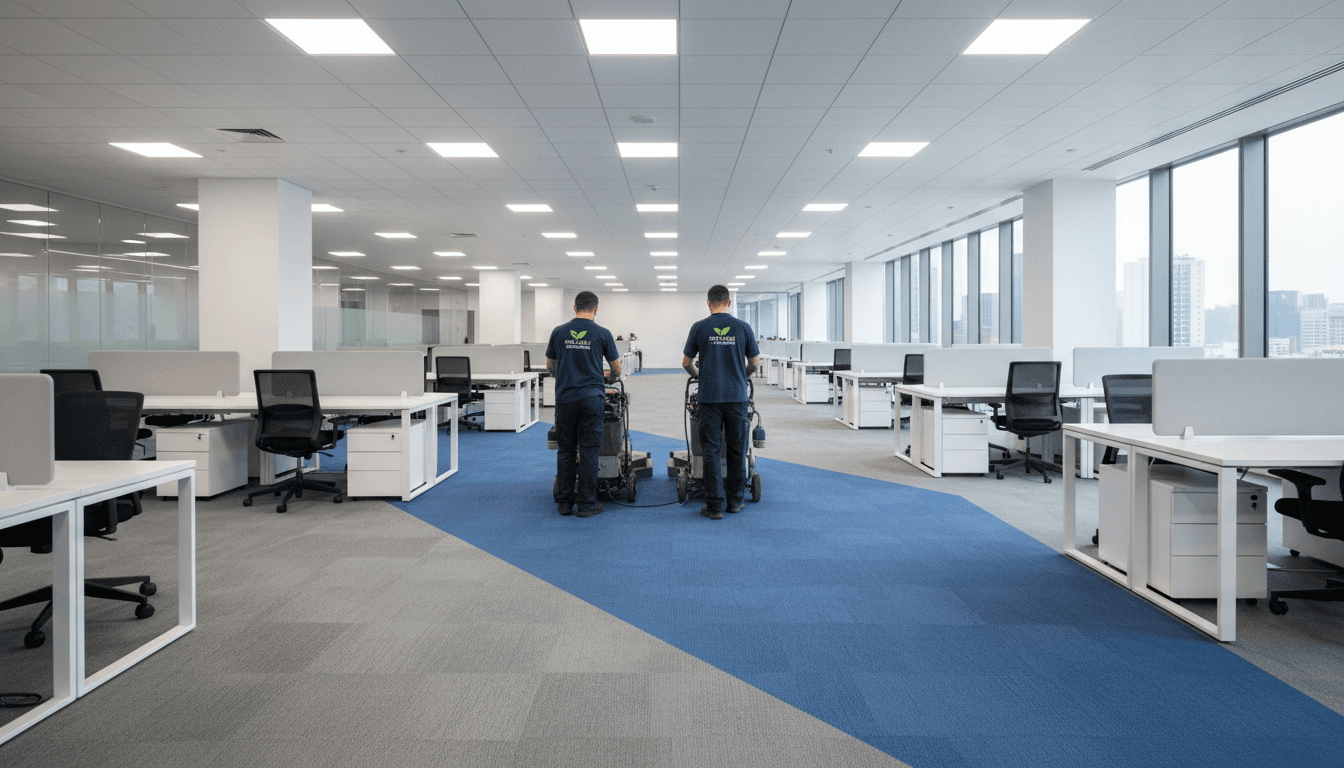

Partnering with an expert for end of tenancy carpet cleaning London property manager services reduces void periods by ensuring units pass inspections and attract new tenants immediately. These specialized cleaning services utilize deep extraction methods to remove stains and odors, which helps avoid the high costs associated with premature carpet replacement.
For a London property manager, the interval between tenancies represents a critical race against the clock. Every day a premium unit remains vacant due to subpar floor conditions represents a direct hit to the landlord's rental yield. Standard cleaning services often fail the scrutiny of a rigorous inventory check, leading to avoidable disputes and costly delays that extend void periods. This guide addresses the strategic necessity of professional end of tenancy carpet care, focusing on how sophisticated deep extraction and protective nano technology can streamline your turnaround process. You will discover practical methods to minimize vacancy time, avoid common inventory failures, and implement a long term floor care strategy that preserves the value of your high end London portfolio.
The Financial Impact of London Void Periods on Rental Yields
In the competitive London rental market, every day a property sits vacant represents a direct erosion of the annual yield. Recent industry data highlights that London landlords face the highest financial pressure in the UK, with the average void period costing approximately £1,252. With properties typically remaining empty for 16 to 18 days between tenancies, the window for securing a new occupant is narrow. For an end of tenancy carpet cleaning London property manager, the priority is not merely maintenance; it is the rapid restoration of the asset to a marketable, premium state.
Flooring is often the most scrutinized element during a viewing. It occupies the largest visual surface area and contributes significantly to the sensory first impression. A carpet that appears tired, carries visible traffic lanes, or holds lingering odors from a previous tenant signals a lack of care. This often leads prospective tenants to negotiate lower rents or, more commonly, choose a competitor's property that feels fresher.
Professional carpet and upholstery cleaning should be viewed as a strategic tool rather than a generic overhead. By scheduling deep extraction services immediately following a move-out, you remove the primary barrier to immediate occupation. This proactive approach directly combats the 18-day average void by ensuring that high-resolution marketing photography and physical viewings showcase a pristine environment from day one. To safeguard your assets across multiple locations and ensure a consistent standard, you can request a quote for your property portfolio to integrate these systematic standards into your turnover workflow.
Why Standard Cleaning Fails the Inventory Check in Premium London Rentals

Professionalism in London’s premium rental sector is defined by the scrutiny of the independent inventory clerk. While a departing tenant may have vacuumed the property, domestic equipment lacks the suction and heat necessary to meet the standards set by a rigorous End of Tenancy Cleaning Checklist. Surface cleaning ignores the accumulation of fine dust and hair along carpet edges and beneath heavy furniture, areas where professional deep extraction is essential.
Property managers in high demand areas like North and East London operate under intense tenant expectations. A professional carpet and upholstery cleaning service does more than just remove visible spots; it sanitizes the fibers, extracting embedded allergens and particulate matter that domestic machines leave behind. This distinction becomes critical during the walkthrough when an inventory clerk assesses the property against the 'clean to a professional standard' benchmark. Standard vacuuming cannot address the compacted pile in high traffic zones or the oily residues that trap pollutants within the carpet structure.
Utilizing a specialized end of tenancy carpet cleaning London property manager provides the landlord with vital documentation. In the event of a deposit dispute, a receipt from a professional firm using industrial grade extraction is tangible evidence of the landlord’s commitment to property standards. This paper trail often preempts disagreements regarding 'fair wear and tear' versus 'tenant negligence.' It ensures that the property transitions smoothly to the next occupant without the delays associated with failed inspections or the need for re-cleaning mandates that can push a void period into a third week. By adhering to a systematic deep extraction process, the landlord secures a clean bill of health from the inventory clerk, effectively protecting the asset and the rental income stream.
The Turnaround Strategy: Balancing Speed and Deep Extraction

The efficiency of a London property turnover depends on the technical execution of the cleaning phase. While hot water extraction remains the industry standard for removing the deep soil and bio-load found in rental properties, the common pitfall for many contractors is excessive moisture retention. An end of tenancy carpet cleaning London property manager needs more than just a surface clean; they require a high-velocity recovery process that respects the tight windows between tenancies.
Our systematic approach utilizes industrial-grade vacuum motors that extract the vast majority of moisture during the rinse cycle. This technical precision prevents the saturation that often leads to musty odors or "wick-back," a phenomenon where deep-seated stains reappear on the surface as the carpet dries. By integrating advanced drying techniques into the workflow, NanoDefence ensures that the transition from a professional carpet and upholstery cleaning to the next tenant viewing happens within a compressed timeframe.
This rapid turnaround eliminates the "soggy carpet" delay, allowing you to maintain a tight schedule without compromising the deep-seated hygiene that passes inventory checks. Managing a property portfolio requires a partner who understands that a wet carpet is, effectively, a vacant property. Our focus on moisture control ensures your assets are back on the market immediately, smelling fresh and ready for high-resolution marketing photography.
Nano Technology: A Strategic Advantage for Long Term Property Management

While deep extraction restores a property to a marketable state, the application of nano-technology surface protection during the turnover phase provides a long-term strategic advantage. This process involves applying a molecular shield that bonds to individual carpet fibers, creating a hydrophobic barrier. For an end of tenancy carpet cleaning London property manager, this technological layer serves as an insurance policy against the unpredictable habits of future tenants. When liquid spills like red wine, coffee, or oils occur, the coating prevents the substance from penetrating the fiber core; instead, the liquid beads on the surface, allowing for easy removal before a permanent stain can form.
Beyond liquid resistance, nano-technology addresses the physical degradation of flooring. In the typically compact layouts of London flats, high-traffic hallways are prone to accelerated fiber wear and "pathwaying." The protective coating reduces the friction between carpet fibers caused by foot traffic, which minimizes the mechanical abrasion that leads to a frayed, dull appearance. By maintaining the structural integrity of the pile, the carpet retains its "like new" texture for significantly longer than untreated materials. This level of professional carpet and upholstery cleaning and protection ensures that the next end-of-tenancy inspection is a routine procedure rather than a costly restoration project.
Integrating this level of protection directly impacts the lifecycle of the asset. While standard industry advice suggests that landlords should replace rental carpets every five to seven years due to aesthetic and hygienic decline, nano-scale protection can extend this window toward the ten-year mark. This future-proofing strategy reduces capital expenditure over the life of the property investment. To standardize this level of protection across multiple units and ensure consistent asset longevity, property owners can request a quote for your property portfolio to integrate advanced surface protection into their standard turnover workflow.
Property Manager Checklist for End of Tenancy Floor Care
To maintain a consistent standard across a portfolio, an end of tenancy carpet cleaning London property manager must follow a rigorous workflow. This tactical checklist ensures that every turnover meets the scrutiny of inventory clerks while preparing the asset for its next occupant.
Audit high-traffic zones: Focus on hallways and lounge areas where pile compression and tracking are most visible. These zones dictate the tenant's perception of the entire unit and require the most intensive extraction.
Catalog specific stains: Note instances of coffee, wine, or pet-related spotting. Providing this data to your professional carpet and upholstery cleaning technician ensures the correct chemical pre-treatment is utilized for effective soil suspension and pH-neutralization.
Optimize turnover timing: Schedule the deep extraction after all furniture has been removed. This allows for thorough cleaning of carpet edges and the floor space typically hidden by heavy items. Ensure this is completed before professional photography to maximize the visual appeal of the listing.
Deploy protective coatings: Apply nano-scale surface protection to high-wear areas during the cleaning phase. This step is crucial for maintaining asset quality and ease of maintenance through the next lease cycle. Portfolio owners can request a quote for your property portfolio to standardize this protective step across all units.
Validate the 14 day guarantee: Confirm that the service provider offers a re-clean window. This protection is often a mandatory requirement for letting agencies to ensure the property remains in peak condition until the new move-in date, providing peace of mind during the transition period.
Common Questions for London Landlords and Letting Agents
Navigating the regulations and technical requirements of property transitions requires a clear understanding of current UK legislation and maintenance standards. These frequently asked questions address the core concerns of the modern end of tenancy carpet cleaning London property manager.
### Is it legal for a landlord to charge a cleaning fee in the UK? Under the Tenant Fees Act 2019, landlords and letting agents are prohibited from charging fixed, non-refundable cleaning fees. However, the legislation allows landlords to require that a property is returned to the same level of cleanliness it was in at the start of the tenancy, minus fair wear and tear. If the move-in inventory demonstrates that the carpets were professionally cleaned, the tenant is responsible for matching that standard. If they fail to do so, the landlord may be entitled to deduct the actual cost of a professional carpet and upholstery cleaning from the security deposit, provided the cost is reasonable and backed by an invoice.
### Does an end of tenancy clean include carpets? In the London market, a standard end of tenancy clean usually covers surface tasks like dusting, wiping cupboards, and vacuuming. It rarely includes the industrial-grade deep extraction required to remove embedded soil or stubborn stains. Because professional extraction requires specialized machinery and drying equipment, it is almost always treated as a separate, technical service. Property managers should verify that their chosen provider offers a 14 day guarantee; this ensures that if an inventory clerk identifies a missed spot, the contractor returns to rectify it without additional costs.
### How often should landlords replace carpets in the UK? While the typical lifecycle for rental carpets is five to ten years, this varies based on the quality of the material and the frequency of professional maintenance. High-traffic London flats often see faster degradation without intervention. By utilizing nano-technology surface protection, you can significantly extend this timeframe. The coating protects the structural integrity of the pile and prevents permanent staining, often adding several years to the floor's functional life. To manage these maintenance cycles across your holdings efficiently, you can request a quote for your property portfolio to implement a standardized protection strategy.