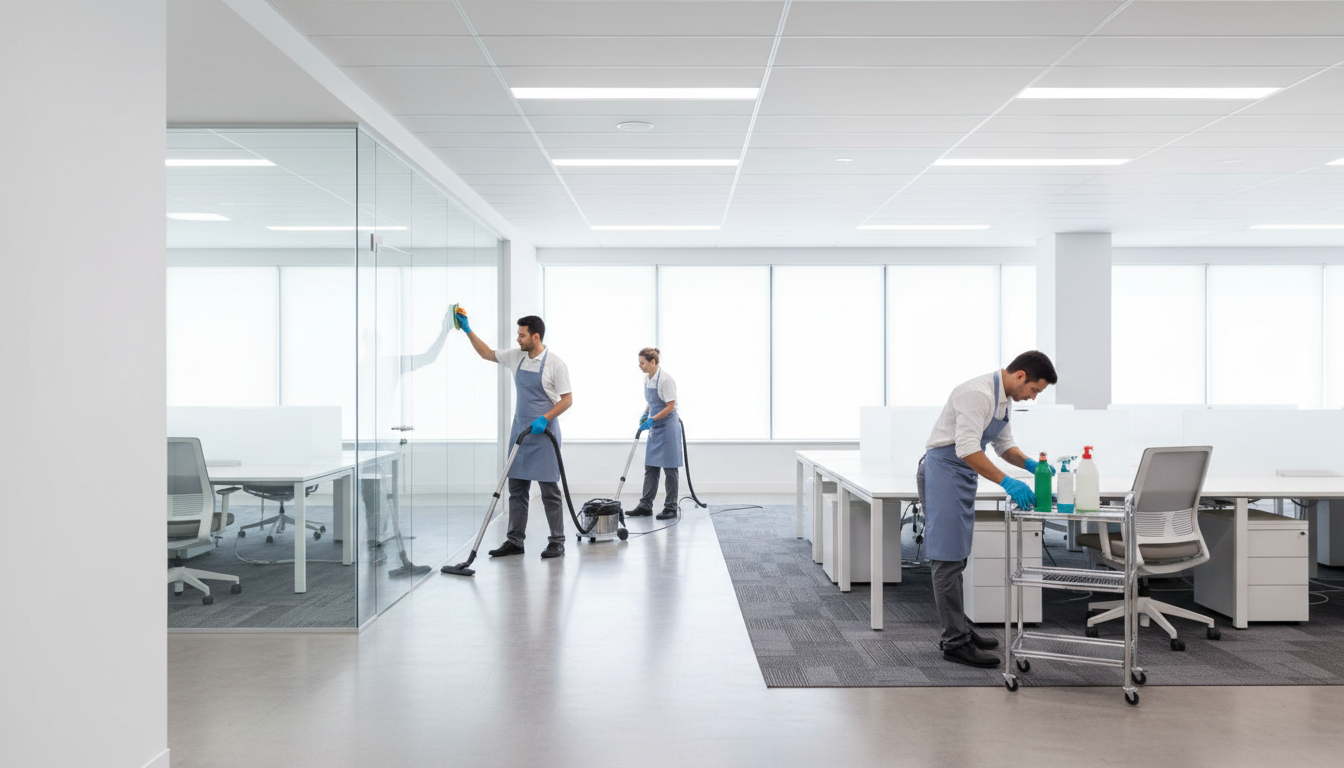
Regular office carpet cleaning London businesses implement saves money by preventing premature replacement costs of up to £60 per square meter and reducing expensive employee sick days. Maintaining clean carpets every three to six months can also increase staff productivity by 12 percent, far outweighing the modest cost of professional maintenance.
London office managers often overlook what is underfoot, yet the true cost of a neglected carpet extends far beyond simple aesthetics. Stubborn stains and trapped particulates are not just eyesores; they represent active drains on your operational budget. In a high traffic city like London, pollutants accumulate rapidly. This compromises indoor air quality and accelerates fabric degradation. Neglecting this critical maintenance leads to premature replacement costs and increased employee absenteeism, which directly impacts your bottom line. At NanoDefence, we understand that professional care is an investment in asset longevity and workforce health. This guide explores the financial reality of commercial carpet maintenance. We will analyze the cost gap between routine cleaning and full replacement, examine the link between floor hygiene and productivity, and introduce how advanced nanotechnology provides a superior edge for modern London enterprises.
The Financial Reality of Office Carpet Cleaning for London Businesses
In the competitive commercial landscape of London, office carpets represent a significant capital asset rather than a simple interior design choice. For firms operating out of Canary Wharf or the City of London, high-end fit-outs often feature premium wool blends or specialized nylon fibers that require precise, technical care. While many facility managers view professional carpet cleaning services as a recurring budget line item, the financial reality is that the cost of doing nothing is significantly higher.
Neglect triggers a cascade of hidden expenses that quietly erode a company's bottom line. When grit and urban pollutants are allowed to settle deep into the pile, they act as abrasives that sever carpet fibers, leading to premature replacement long before the end of the asset's intended lifecycle. Beyond the hardware, there is a human cost; carpets serve as the building's primary air filter, and poor maintenance is directly linked to increased employee sick days. For office carpet cleaning London businesses must look beyond the immediate invoice to understand the long-term ROI of maintaining a healthy, durable workspace. To discuss a maintenance schedule tailored to your square footage, you may contact our London team.
The Direct Link Between Dirty Carpets and Employee Sick Days
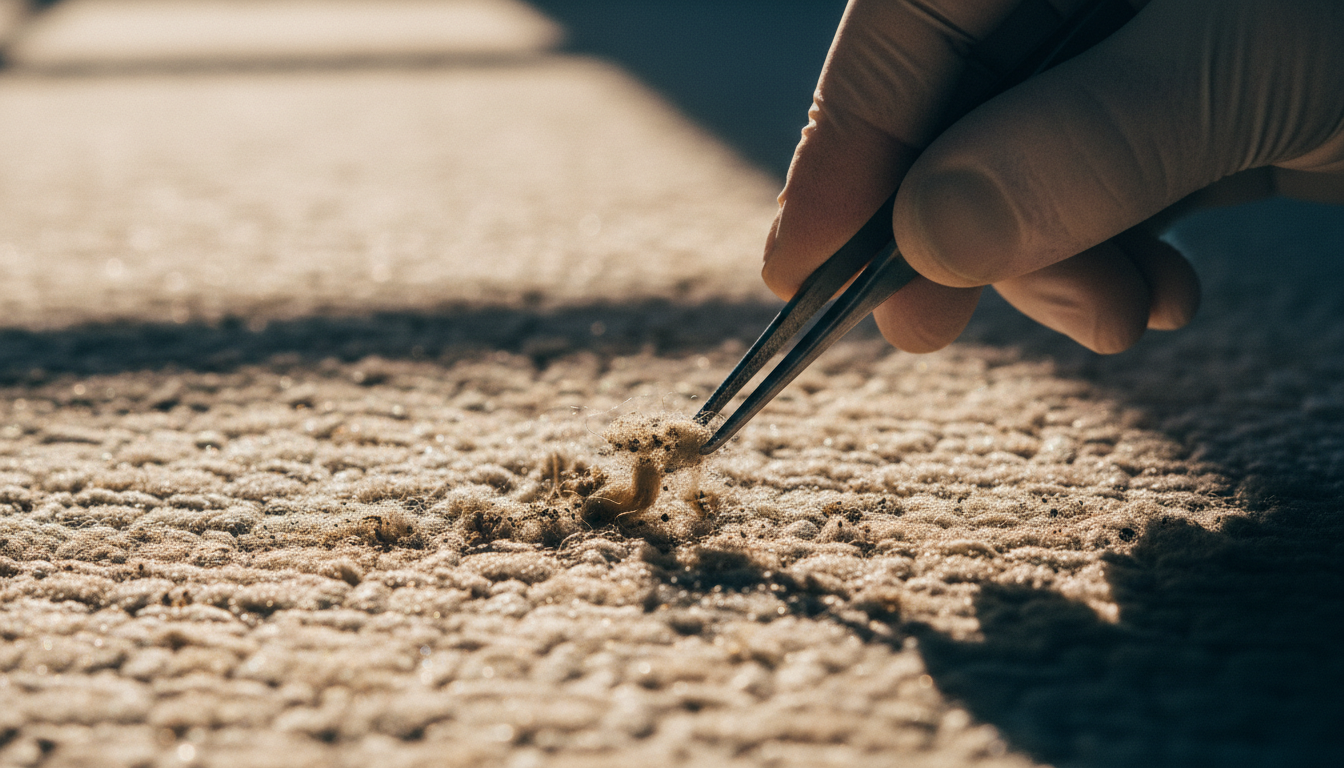
A frequent question raised by facility managers is whether a dirty carpet can truly affect health, or if the issue is merely aesthetic. The data indicates a profound impact on the bottom line; UK businesses lose an estimated £1.3 billion annually due to workplace-related illness. In the context of a dense urban environment, office carpets function as a giant filter for the building. They are designed to trap fine particulate matter, including the metallic "tube dust" unique to London, alongside allergens, outdoor pollutants, and bacteria brought in from the street on the soles of shoes.
While this filtration property is beneficial at first, every carpet has a saturation point. Once the fibers are full of debris, they can no longer hold new particles. Consequently, every time an employee walks across the floor, these trapped micro-pollutants are kicked back into the air. This creates a concentrated cloud of invisible triggers that circulate through the HVAC system, often leading to increased instances of asthma, dry coughs, and allergic reactions. For office carpet cleaning London businesses must understand that these airborne particles are a primary driver of respiratory-related absenteeism.
Standard daily vacuuming, while necessary for surface debris, is insufficient for removing the biological contaminants embedded deep within the pile. These microorganisms require professional intervention to be fully neutralized. Regular deep extraction is the only effective method to reach the base of the carpet fibers and physically remove the "sink" of pollutants. By integrating professional carpet cleaning services into a quarterly or bi-annual maintenance plan, firms can significantly improve indoor air quality and protect their human capital. To learn more about how deep cleaning can support your health and safety goals, contact our London team for a detailed site assessment.
Cleaning vs Replacement: Analyzing the London Carpet Cost Gap

When evaluating the financial burden of facility management, the most significant disparity lies between the maintenance of an existing asset and its total replacement. In London, the abrasive nature of urban detritus is a primary driver of fiber degradation. The grit and sharp sand particles brought in from busy pavements act like microscopic sandpaper against the base of the pile. Every time a footstep presses down, these particles saw through the fibers, leading to the unsightly traffic lanes and thinning patches that signal the premature end of a carpet's life.
For office carpet cleaning London businesses should consider the stark contrast in capital requirements. Professional maintenance is a fraction of the cost of a full fit-out, as shown in the following cost comparison:
Service Type | Estimated Cost per m2 |
|---|---|
Professional Deep Cleaning | £1.00 – £4.00 |
Mid-Range Nylon Replacement | £15.00 – £30.00 |
Premium Wool Replacement | £30.00 – £60.00+ |
Consider a standard 200m2 office space in a central district. A full replacement for a mid-range nylon carpet would likely cost between £3,000 and £6,000. However, these figures often exclude the heavy logistical costs of furniture removal, the environmental fees for carpet disposal, and the significant operational downtime required for the installation. In contrast, a comprehensive professional carpet cleaning services package for that same space might range from only £400 to £800 per visit.
By implementing a rigorous deep extraction schedule, a firm can realistically extend the functional life of its flooring by five to seven years. Over a decade, this prevents at least one entire replacement cycle. For a 200m2 office using premium wool, which is common in boutique Mayfair suites, the replacement cost can easily exceed £12,000 when factoring in all variables. Systematic cleaning allows businesses to redirect this capital toward growth rather than avoidable infrastructure repairs. Proactive care ensures that the sandpaper effect is neutralized before the structural integrity of the wool or nylon is permanently compromised. To determine the current health of your flooring and establish a cost-saving maintenance plan, you can contact our London team for a professional site survey.
How Often Should Office Carpets Be Cleaned in London?
Determining the correct frequency for professional intervention is essential for preserving the "Category A" standard of a London workspace. While every building has unique requirements based on its specific occupancy rates, a tiered approach allows facility managers to allocate their budget effectively according to footfall.
Traffic Tier | Typical Areas | Recommended Cleaning Frequency |
|---|---|---|
High Traffic | Receptions, lift lobbies, main corridors | Every 6 to 12 weeks |
Moderate Traffic | Open-plan desk areas, breakout zones | Every 3 to 6 months |
Light Traffic | Boardrooms, executive suites, storage rooms | Every 6 to 12 months |
It is vital to distinguish between the daily maintenance provided by a general cleaning crew and the technical rigor of professional carpet cleaning services. Standard commercial vacuuming is designed to remove loose surface debris, yet it lacks the suction power and mechanical agitation required to reach the base of the carpet pile. Over time, the heavy particulate matter characteristic of the City, such as carbon-heavy tube dust and industrial pollutants, settles into the carpet backing where vacuuming cannot reach it.
For office carpet cleaning London businesses should prioritize professional deep extraction. This process uses high-temperature water and specialized cleaning agents to emulsify oils and physically pull compacted grit from the deepest layers of the fiber. Neglecting this deep cleaning schedule leads to matting; this is where the fibers flatten and lose their resilience under the weight of trapped soil. Without periodic extraction, the abrasive particles mentioned previously will continue to sever the pile from the base regardless of how often the surface is vacuumed. To establish a bespoke maintenance schedule that aligns with your office layout, please contact our London team for an expert consultation.
The Psychology of First Impressions and Staff Productivity
For firms operating out of high prestige areas like Mayfair or creative hubs in Shoreditch, the physical workspace functions as a silent brand ambassador. Visible coffee stains, soiled entryways, or the subtle, musty odor of a damp pile can undermine a reputation before a single word is spoken. Clients often associate the state of the floor with a company's operational discipline. A neglected carpet suggests a lack of attention to detail that clients may fear extends to the business's core services.
The impact on internal performance is even more significant. Data shows that employees in clean office environments see a productivity boost of approximately 12%. This shift occurs because a fresh, hygienic workspace reduces subconscious stress and eliminates the distractions caused by allergens or unpleasant smells.
For office carpet cleaning London businesses, maintaining these standards is a strategic move to preserve employee morale. Investing in professional carpet cleaning services serves as a tangible signal that the leadership values the health and daily experience of their staff. In a city where talent retention is a primary concern, a clean and healthy office environment is a foundational element of a positive corporate culture. To improve the atmosphere of your workspace and support your team's output, contact our London team for a detailed site consultation.
The NanoDefence Edge: Beyond Standard Cleaning with Nano Technology
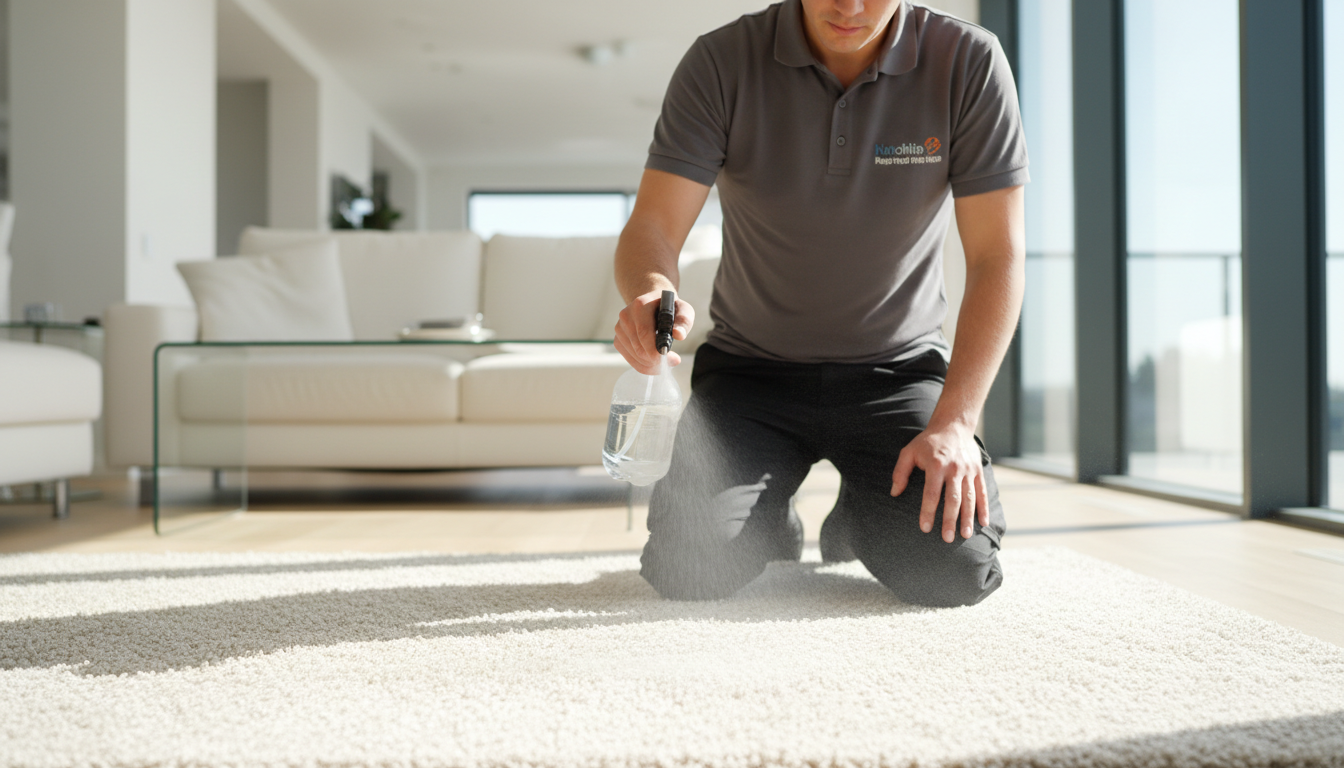
Standard cleaning removes existing dirt, but the NanoDefence system shifts the focus toward long-term preservation through molecular science. Once we complete the deep extraction phase, our technicians apply an advanced nano-technology surface protector. Unlike traditional topical treatments that can leave a sticky residue or alter the texture of the carpet, this solution bonds at the fiber level. It creates an invisible, hydrophobic barrier that forces liquids to bead on the surface; this provides a critical window of time to blot away spills before they penetrate the pile and become permanent stains.
For office carpet cleaning London businesses increasingly demand this level of technical resilience. It is particularly valuable for London property managers responsible for maintaining Category A office standards. These high-spec environments require a pristine appearance to attract and retain premium tenants in competitive districts like the City or Canary Wharf. By treating fibers with nano-technology, the risk of permanent wicking or recurring spots is drastically reduced. This proactive approach ensures that the investment in high-quality wool or nylon remains protected against the daily realities of office life, from spilled coffee to tracked-in street grime. To transition your facility management from reactive maintenance to intelligent asset protection, explore our full range of professional carpet cleaning services or contact our London team for a technical briefing.
Maintaining a clean office environment in London goes beyond aesthetics; it is a strategic investment in your company’s health and longevity. By addressing carpet maintenance proactively, you avoid the high costs of premature replacements and improve overall employee productivity. If you find managing these details complex or simply want to ensure the highest standards are met, professional support can make all the difference. You can find more information about NanoDefence and how we help local businesses protect their professional spaces efficiently.