Yes, nano carpet protection works by creating a molecular barrier that repels liquids and prevents stains from bonding to fibers. Homeowners who ask does nano carpet protection work will find it provides critical time to blot spills and typically lasts for one to two years. While it is not a permanent solution, it is a highly effective way to simplify maintenance and protect your carpet investment.
Maintaining a flawless carpet in a busy London residence often feels like a losing battle against urban soot, red wine, and heavy foot traffic. You may have encountered various liquid repellents, yet the skepticism surrounding their effectiveness and chemical safety is entirely justified. At NanoDefence, we understand that homeowners demand more than just vague promises; they require sophisticated, evidence-based protection that does not compromise health. Understanding the distinction between legacy treatments and modern nanotechnology is vital for preserving your flooring without introducing harmful PFAS or oily residues. This article examines the practical reality of nano coatings, from how they bond with specific synthetic and natural fibers to their actual lifespan under daily friction. We will move past the marketing hype to provide an honest assessment of how this technology serves as a high performance barrier for your interior investments.
The Snake Oil Skepticism: Does Nano Carpet Protection Really Work?
When searching for home maintenance advice on platforms like Reddit, you will often encounter skepticism regarding textile treatments. Critics often dismiss them as overpriced snake oil, and this skepticism is understandable if you expect a magic forcefield that renders a rug invincible. In reality, advanced nano-technology surface protection is a precise molecular-level alteration of the fiber itself, not a superficial film.
To understand how it functions, consider the difference between a cheap plastic poncho and a high-end technical waterproof jacket. A poncho sits on top of you, trapping heat and feeling stiff; this is akin to the old-school carpet protectors of the past that left a crunchy residue and flaked off over time. Modern nano-silicon dioxide (SiO2) treatments work like the technical jacket. The particles are so small that they bond to individual fibers without altering the texture, hand, or breathability of the carpet.
So, does nano carpet protection work? It does, provided you understand the physics. It fundamentally changes the surface tension of the material. Instead of a spill like red wine or coffee immediately wicking into the porous core of a wool fiber, the liquid is forced to bead up on the surface, a phenomenon known as the pearl effect. While it does not make your flooring self-cleaning, it prevents the immediate absorption that leads to permanent staining. By choosing professional carpet, rug, and upholstery cleaning services that utilize these SiO2 solutions, you are essentially buying a critical window of time to blot away spills before they become permanent fixtures in your home.
The Safety Question: PFAS, Forever Chemicals, and Modern Nano Technology
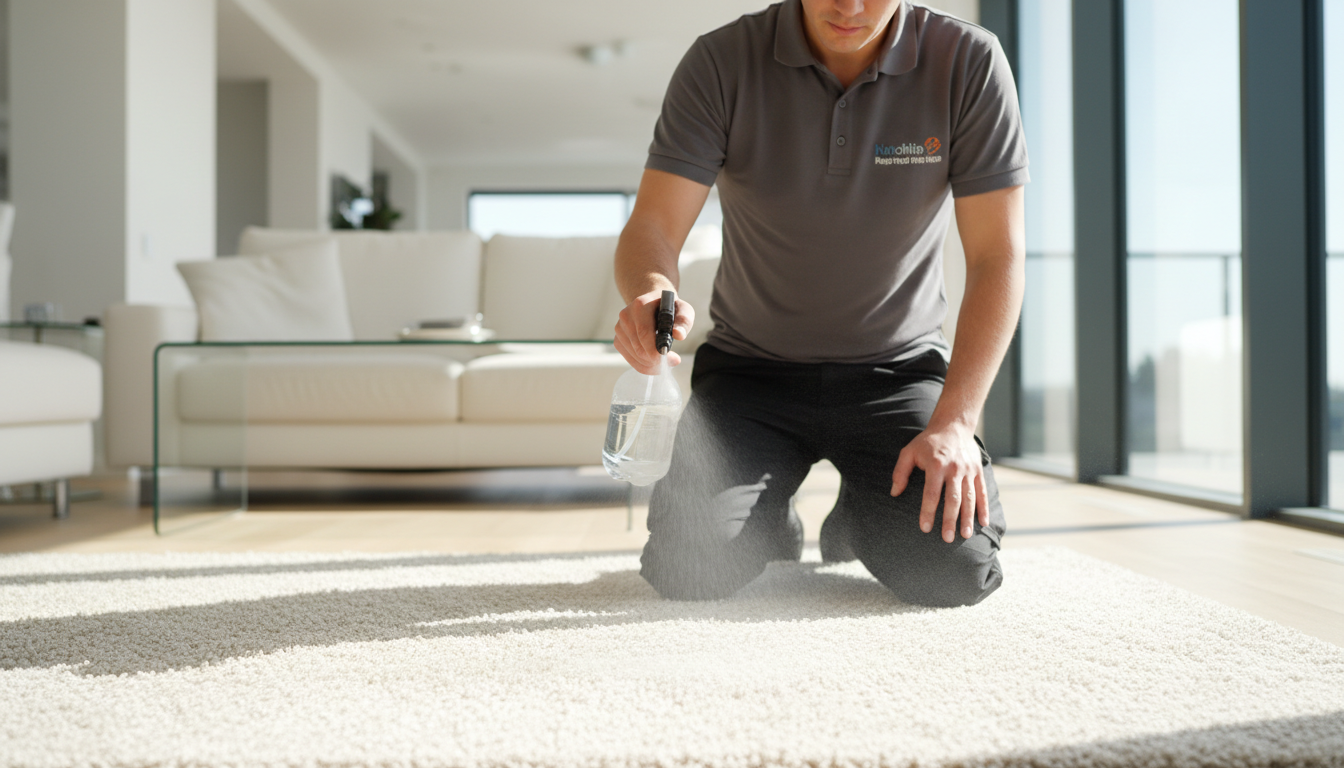
Safety is often the primary concern for London homeowners, particularly those with young children or pets who spend significant time in direct contact with flooring. Much of the public hesitation stems from the historical use of PFAS (per- and polyfluoroalkyl substances) in legacy fabric protectors. These chemicals, specifically C8 and C6 fluorocarbons, earned the nickname forever chemicals by persisting in the environment and the human body for decades. However, the technology utilized in advanced nano-technology surface protection has moved far beyond these outdated chemical structures.
NanoDefence utilizes fluorine-free, water-based nano-silicon dioxide (SiO2) solutions. Unlike traditional solvent-based treatments that rely on harsh chemistry to repel oil and water, SiO2 is derived from quartz, which is one of the most abundant and stable minerals on Earth. By opting for these modern, pH-neutral coatings, you avoid the risks associated with persistent bioaccumulative toxins. This distinction is vital when determining if professional carpet, rug, and upholstery cleaning services are safe for a modern household.
Once the application is dry, the treatment becomes completely inert. It does not off-gas volatile organic compounds (VOCs) into your living space, which is a common concern in the well-insulated, sometimes poorly ventilated Victorian conversions found throughout London. The bond is mechanical rather than chemical; the nano-particles anchor to the fibers without shedding toxic dust. For parents and pet owners, this means the liquid protection comes without the trade-off of indoor air pollution. When asking does nano carpet protection work safely, the answer is a definitive yes, provided the provider uses these specific water-based, silicon-bonded systems rather than generic aerosol sprays.
Why London Homes Need Nano Protection More Than Most
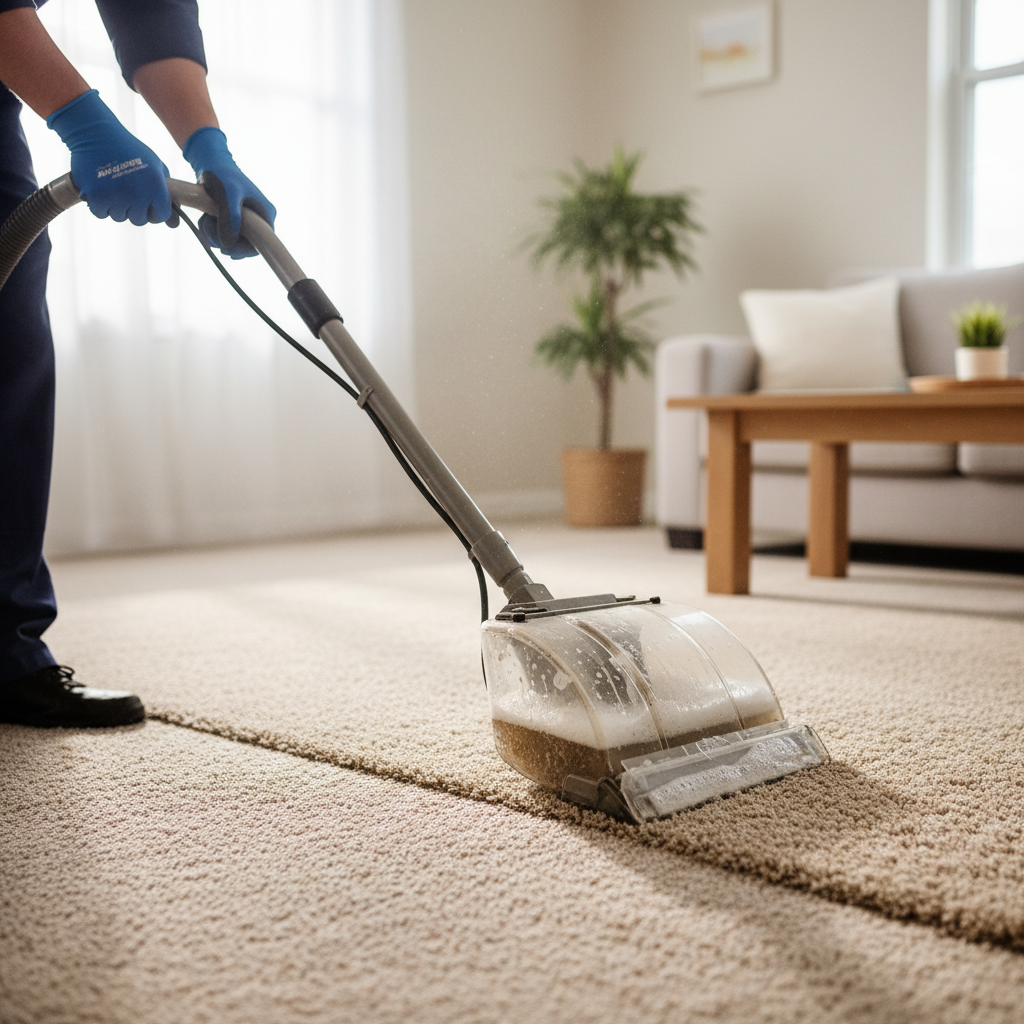
London’s unique urban environment poses distinct threats to interior textiles that suburban or rural homes rarely encounter. The constant operation of the Underground network distributes Tube dust, a fine, conductive metallic particulate that permeates even well-sealed properties. These microscopic shards act like abrasives, grinding into carpet piles under the pressure of footsteps and causing premature fiber degradation. In the Victorian and Edwardian townhouses of Kensington and Chelsea, historical soot trapped within chimney breasts often migrates into living spaces, clinging to natural fibers with stubborn tenacity.
Furthermore, London’s notoriously hard water complicates every spill. The high calcium and magnesium content can actually accelerate the bonding of pigments to fabric, meaning a simple water-based cleanup often does more harm than good by setting the stain. Utilizing advanced nano-technology surface protection addresses these specific local challenges by sealing the microscopic pores inherent in high-end wool and silk rugs. By creating this molecular barrier, the treatment prevents metallic dust and carbon soot from anchoring deep within the yarn. This ensures that professional carpet, rug, and upholstery cleaning services are significantly more effective, as pollutants remain suspended on the surface rather than becoming permanent residents of the fiber structure.
The Phone Case Analogy: Setting Realistic Expectations
Think of nano-protection as a premium screen protector for your smartphone. While a glass shield does not make a phone indestructible, it absorbs the impact and prevents the actual screen from shattering. Similarly, advanced nano-technology surface protection serves as a sacrificial barrier for your flooring. The primary benefit is the gift of time.
In a typical scenario, a splash of red wine spilled on an untreated wool rug will begin wicking into the fiber core in under thirty seconds. Once the pigment penetrates the porous structure of the wool, it becomes a permanent stain that requires aggressive chemical intervention. When asking does nano carpet protection work, the answer is visible in the pearl effect. The liquid beads up into distinct spheres, sitting on top of the pile rather than saturating it. This buys a homeowner a critical 15 to 20 minute window to safely blot the spill away, whereas an untreated carpet offers no such grace period.
However, managing expectations is key. This treatment does not create a frictionless environment; it will not stop the physical crushing of fibers in high-traffic areas or prevent UV fading caused by the light through large London bay windows. It is a targeted tool for stain management and more efficient professional carpet, rug, and upholstery cleaning services, not a total immunity shield against the laws of physics.
Longevity and Friction: How Long Does Nano Coating Last in Reality?
Because the laws of physics involve constant abrasion, the longevity of the treatment is finite. In a real-world London environment, advanced nano-technology surface protection typically remains effective for 12 to 18 months, though this window fluctuates based on usage. The primary catalyst for degradation is mechanical friction. In high-traffic zones, such as the narrow hallways of a Kensington townhouse or a busy commercial office reception, the physical impact and shearing force of footsteps gradually wear down the molecular bond between the SiO2 particles and the fabric fibers.
Contrast this high-wear scenario with a guest bedroom or a formal sitting room. In these low-traffic areas, the coating can remain functional well beyond the 18-month mark because the fibers experience minimal agitation. When assessing how long does nano carpet protection work, it is important to factor in the necessity of maintenance. While professional carpet, rug, and upholstery cleaning services are vital for hygiene, the deep extraction process eventually thins the protective layer. The high-pressure steam and specialized detergents required to lift deep-seated London soot will naturally strip away some of the nano-barrier. Consequently, reapplication after a professional deep clean is the only way to ensure the surface tension remains high enough to repel future spills effectively.
Synthetic vs Natural Fibers: Which Carpets Benefit Most?
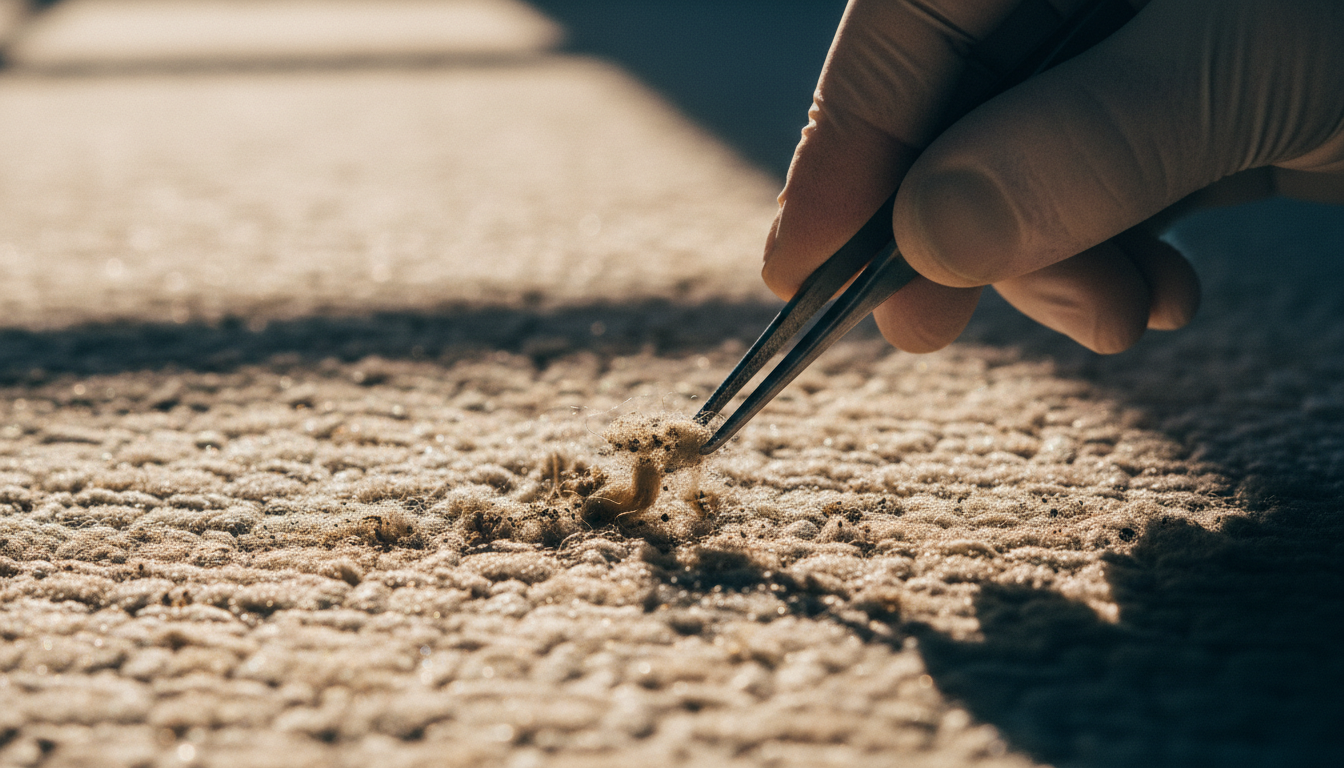
The necessity of a treatment depends largely on the chemical composition of the yarn. Synthetic carpets, specifically 100 percent polyester, polypropylene, or nylon, are essentially plastic. These fibers are naturally hydrophobic, meaning they already resist liquid absorption to a significant degree. While applying advanced nano-technology surface protection to these materials provides an extra layer of defense against oil-based spills, the benefit is less transformative than it is for natural materials.
Natural fibers like wool, silk, and viscose possess a highly porous cellular structure. Under a microscope, a wool fiber looks like a series of overlapping scales with countless microscopic voids. When a liquid spill occurs, these pores act like tiny straws, pulling the pigment deep into the heart of the fiber. This is where the technology truly shines. The nano-silicon dioxide particles are engineered to plug these microscopic holes, creating a smooth, sealed surface that prevents deep-seated staining.
For high-value rugs found in London residences, this protection is critical. Viscose, in particular, is notoriously sensitive to moisture and can be permanently damaged by a simple water spill. By utilizing professional carpet, rug, and upholstery cleaning services that include nano-sealing, you effectively turn a high-maintenance natural textile into a much more resilient surface. If you are asking does nano carpet protection work for luxury wool or silk, the answer is that it serves as an essential safeguard for your investment.
Does Nano Protection Damage Carpets or Leave Residue?
Professional advanced nano-technology surface protection is engineered to be invisible at the molecular level, ensuring it does not damage the delicate fibers of high-end flooring. Unlike older, resin-based coatings, these modern SiO2 solutions do not alter the "hand" or natural softness of the pile. The carpet remains fully breathable; this is essential for preventing moisture from becoming trapped within the backing, a common concern in London’s often humid indoor climates. Because the particles bond individually to the fibers rather than forming a continuous film, the texture of a premium wool or silk rug remains exactly as the manufacturer intended.
Many homeowners ask "does nano carpet protection work" safely after experiencing the pitfalls of store-bought aerosol sprays. Generic DIY products often contain heavy surfactants or oils that leave a microscopic sticky residue. This residue acts as a magnet for London street grime and metallic soot, leading to a phenomenon known as rapid re-soiling, where the carpet appears dirtier faster than if it were untreated. Professional carpet, rug, and upholstery cleaning services utilize refined, water-based applications that dry completely inert. There is no tackiness to attract dust, ensuring the protection remains a functional barrier rather than a liability. Contact NanoDefence today to ensure your carpets receive a precise molecular treatment that preserves their integrity while providing maximum defense.
Nano carpet protection offers a reliable way for London homeowners to safeguard their investments against daily spills and wear. This technology provides an invisible layer of defense that keeps fabrics looking newer for longer. While the benefits are clear, the application process requires care to achieve the best results. If you want expert help with your home textiles, you can read more about our specialized approach. We are happy to guide you through the process of keeping your carpets in pristine condition.