Yes, carpet protection is worth it because it creates a protective shield that prevents liquid spills from penetrating deep into fibers and causing permanent stains. Modern nano technology further enhances this value by repelling dry soil and extending the life of your investment, which keeps your home looking pristine for longer periods.
You just invested thousands in a bespoke wool carpet for your West London townhouse, only for a single glass of Cabernet or a muddy walk through Richmond Park to threaten that investment. Traditional sprays often provide a false sense of security; they simply sit on the surface and wear away under daily foot traffic. For the discerning homeowner, the question is not just about preventing stains. It is about preserving the structural integrity and aesthetic value of high end textiles in a city where lifestyle demands are high. This guide examines whether professional carpet protection is truly a sound financial decision. You will discover how nano technology differs from old school chemicals, why London's specific environment makes protection essential, and how the right treatment can significantly extend the lifespan of your flooring through molecular bonding.
The Invisible Shield: Understanding How Nano Technology Differs from Traditional Sprays
Many homeowners ask is carpet protection worth it after seeing the lackluster results of supermarket aerosol cans. Historically, carpet protection meant applying a fluorochemical spray that created a physical film over the pile. While effective at first, these traditional treatments act much like a layer of plastic film; they sit on top of the fibers, often resulting in a stiff, "crunchy" texture that changes the feel of high quality wool or silk rugs. Because this film is a thick surface barrier, it inhibits the carpet’s ability to breathe, potentially trapping microscopic moisture or air within the pile.
Modern advanced nano-technology protection operates on an entirely different scale. Instead of a superficial coating, nano-particles are small enough to bond at a molecular level with each individual fiber. This creates an omniphobic shield that repels both water and oil based contaminants without altering the texture or appearance of the material. When you perform a "bead test" on a nano-treated surface, you will see liquids like coffee or red wine sit on the surface as distinct droplets rather than soaking into the thirsty core of the yarn.
This molecular integration is what sets professional carpet and upholstery cleaning treatments apart. Unlike the temporary sprays of the past, nano-technology is significantly more durable because it is part of the fiber itself. It resists the mechanical abrasion of foot traffic longer and avoids the stiff residue associated with cheaper retail products, ensuring your flooring remains as soft as the day it was installed while providing a vital window of time to blot away spills before they become permanent stains.
The Financial Logic: Comparing Protection Costs to Carpet Replacement in London
London property owners frequently view flooring as a long term asset rather than a disposable commodity. In high value residential areas like Fulham or Kensington, a high quality 80/20 wool mix carpet for a standard set of stairs and a landing can easily exceed £1,500 when factoring in premium underlay and professional installation. When homeowners ask is carpet protection worth it, the calculation must focus on the cost of the treatment against the inevitable expense of premature replacement.
Service Area | Estimated Replacement Cost | Nano-Protection Cost (Estimate) | Potential Savings (Life Extension) |
|---|---|---|---|
Fulham Townhouse (Stairs/Runner) | £1,500 - £2,200 | £75 - £120 | £1,300+ |
City of London Office (Boardroom) | £3,000 - £5,000 | £150 - £300 | £2,500+ |
Two-Bedroom Apartment (Lounge) | £800 - £1,200 | £60 - £90 | £700+ |
The financial logic becomes even more compelling when considering the "ugly-out" factor. Most carpets in London offices or busy residential hallways are replaced not because the fibers have worn away to the backing, but because they have become permanently stained or grayed by urban soot and oil. Advanced nano-technology protection acts as a sacrificial barrier. By preventing dry soil from grinding into the fiber, it stops the sandpaper effect that creates permanent traffic lanes.
For a commercial property manager in the City, extending the lifecycle of floor coverings by three years via professional carpet and upholstery cleaning with added protection represents a significant reduction in annual capital expenditure. The cost of applying a professional grade protector is usually a small fraction of the cleaning cost itself. If this investment prevents just one permanent red wine stain on a cream-colored runner or adds 36 months to the life of a boardroom carpet, the ROI is effectively several hundred percent. It is a proactive measure that ensures the carpet remains an asset rather than a liability.
Wool vs Synthetic: Which Fibres Benefit Most from Nano Protection?
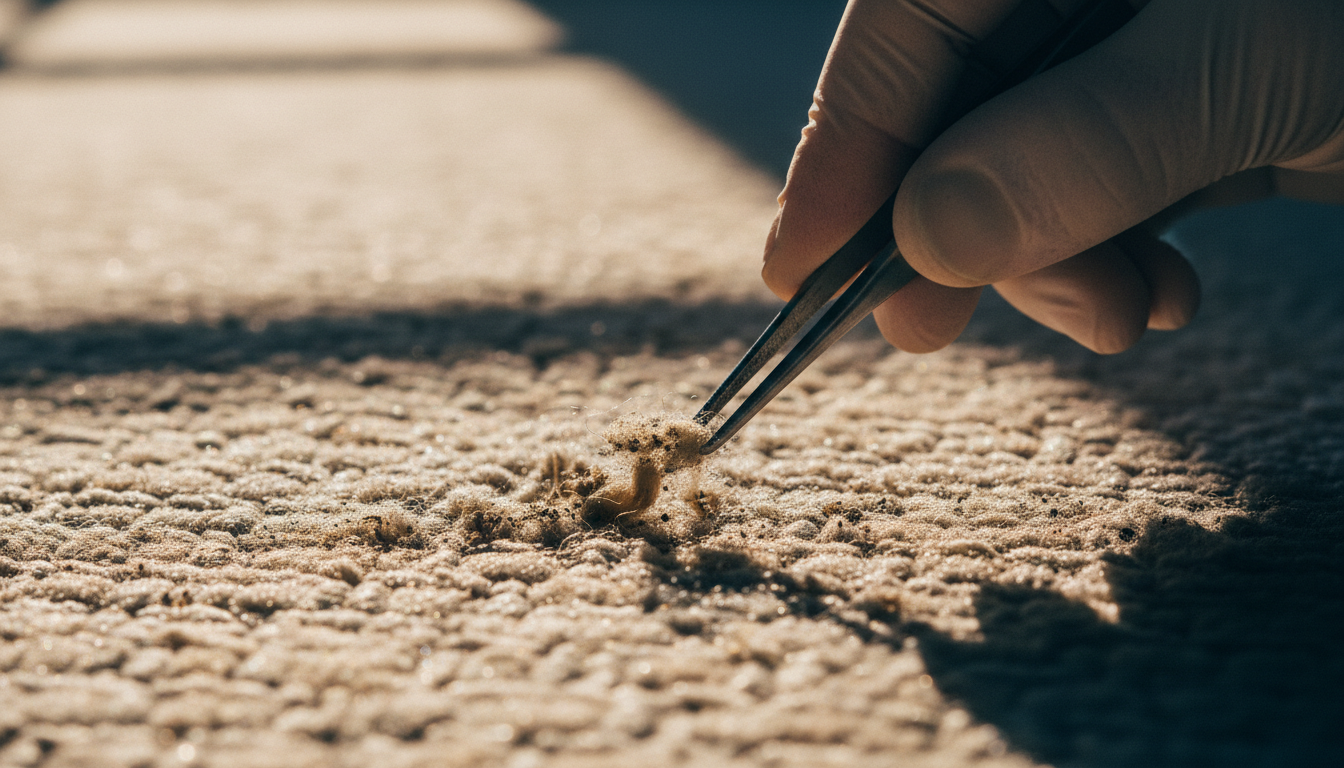
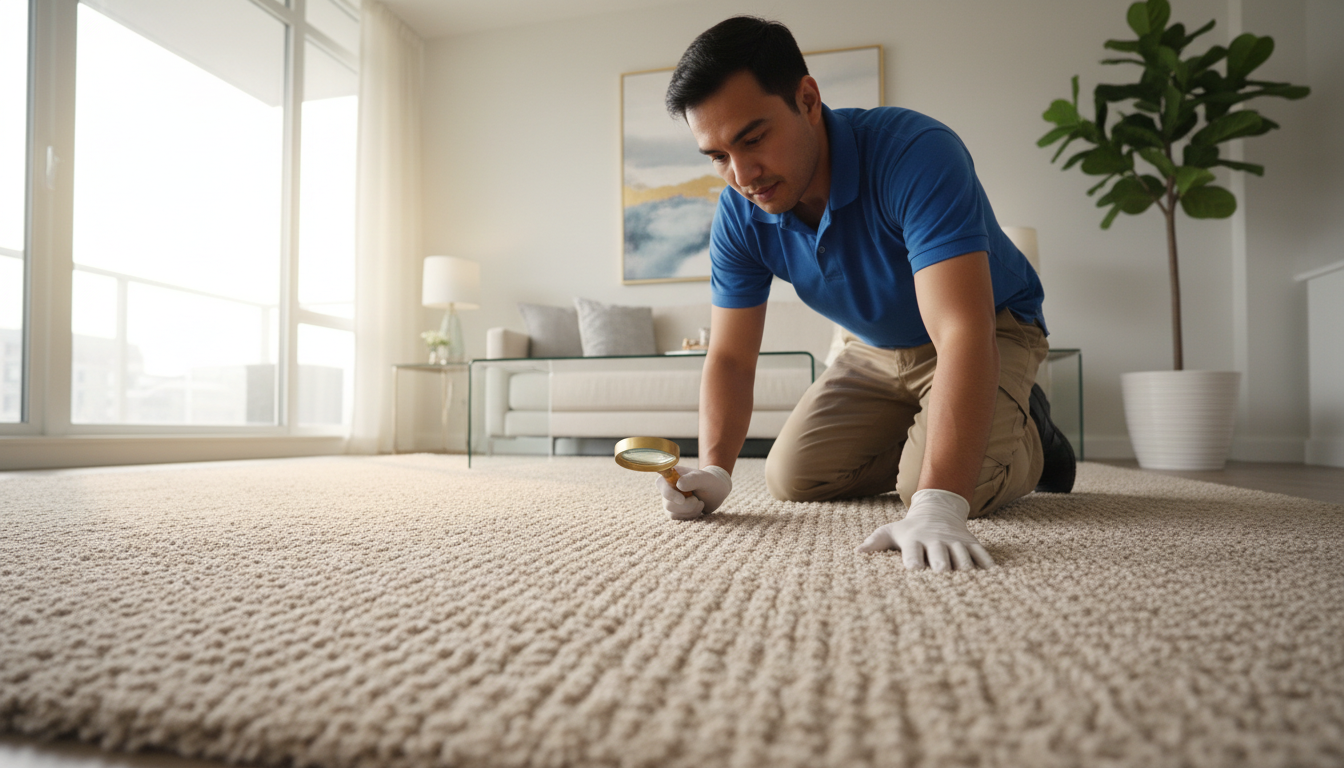
The financial ROI of safeguarding your flooring is heavily influenced by the raw material of the carpet itself. Not all fibers react to spills or foot traffic in the same way, and understanding the cellular structure of your carpet is key to deciding where to invest. Wool, the gold standard for London’s high end residences, is a protein based fiber with a naturally porous and "thirsty" architecture. Under a microscope, wool fibers resemble a series of overlapping scales with a hollow core. When a liquid spill occurs, these scales act as a funnel, pulling the moisture into the center of the yarn where it can permanently bond with the fiber.
Advanced nano-technology protection is particularly transformative for wool because the particles are small enough to fill these microscopic gaps. By occupying the space where dyes from red wine or coffee would normally settle, the nano-coating prevents permanent dye transfer. It essentially turns a highly absorbent natural material into one that is temporarily moisture-resistant, giving you the critical window needed to blot the liquid away before it reaches the fiber’s core.
Synthetic fibers present a different set of challenges. Polypropylene, often used in rental properties or busy family homes, is naturally hydrophobic, meaning it resists water based spills relatively well on its own. However, synthetics are "oleophilic," meaning they have a chemical affinity for oils. In an urban environment, carpets are constantly exposed to oily soot, cooking vapors, and skin oils. These oils bond to synthetic fibers and act as an adhesive for dry grit. Once grit is locked in place by oil, it begins to grind away at the fiber every time you walk across it. Professional carpet and upholstery cleaning followed by a nano-treatment creates a barrier that prevents these oils from sticking, making subsequent vacuuming far more effective at removing abrasive soil.
When evaluating is carpet protection worth it, use the following hierarchy of necessity based on fiber type:
Rank | Fiber Type | Protection Necessity | Primary Reason |
|---|---|---|---|
1 | Wool | Critical | Highly porous; prone to permanent staining from dyes. |
2 | Nylon | High | Contains "acid dye sites" that readily absorb food coloring. |
3 | Polyester | Moderate | Attracts oils easily; prone to "graying" in traffic lanes. |
4 | Polypropylene | Low to Moderate | Naturally stain resistant but needs protection against oil and grit. |
The London Lifestyle Test: Why Red Wine and Muddy Paws Make Protection Essential
Living in London presents a specific set of challenges for interior maintenance. A Friday night dinner party in a Notting Hill flat or a weekend gathering in Wandsworth inevitably involves red wine. Without advanced nano-technology protection, a spilled glass of Cabernet Sauvignon on a light-colored rug becomes a race against time as the liquid seeks out the porous core of the fiber. However, London life is defined as much by the outdoors as the indoors. A walk through Hampstead Heath or Richmond Park often results in tracking in damp London clay and grit. These particulates do not just sit on top; they filter down to the base of the pile, where they become difficult to extract using standard domestic vacuums.
When determining is carpet protection worth it, one must consider the "sandpaper effect" caused by dry soil. In urban environments, carpets act as a giant filter for airborne soot and oily pollutants from high-traffic streets. When these oils combine with tracked-in grit, they create an abrasive paste. Every step taken across the hallway or stairs acts like sandpaper, grinding away the structural integrity of the yarn. This mechanical abrasion is how dark, unsightly "traffic lanes" develop in busy corridors.
By applying a professional shield after professional carpet and upholstery cleaning, you create a barrier that prevents these microscopic abrasive particles from latching onto the fibers. This ensures that daily maintenance is actually effective, as the grit is released easily rather than being locked in an oily embrace at the bottom of the pile. Protection, therefore, is not just a safety net for sudden accidents, but a primary defense against the daily environmental wear inherent to the city.
The Dirt Sandwich: Why Professional Application Trumps DIY Spray Cans
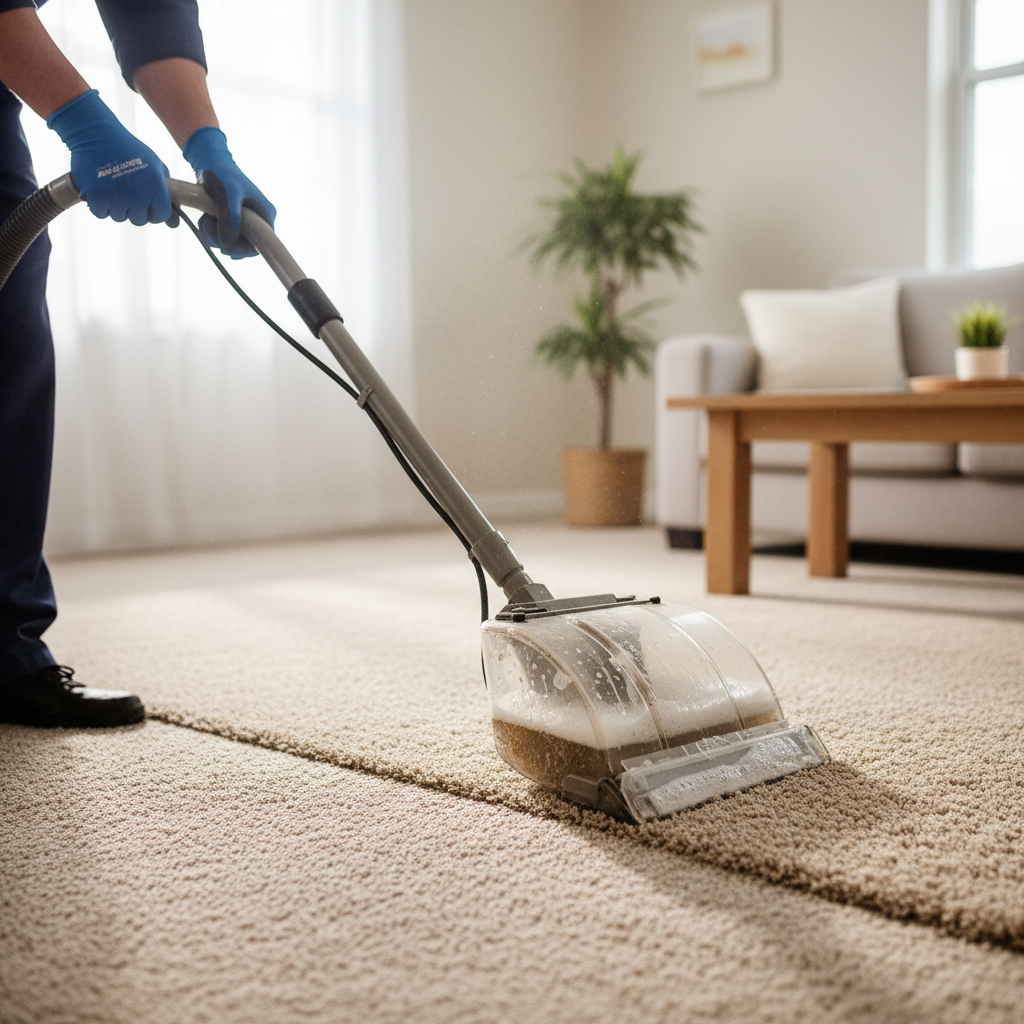
The efficacy of any barrier depends entirely on what lies beneath it. A frequent mistake homeowners make is purchasing a supermarket aerosol and applying it to a carpet that appears clean to the naked eye. This creates what we call a dirt sandwich. Because even the best kept London home accumulates microscopic urban soot and dust within the pile, spraying a protector without a prior deep clean effectively seals that grime against the fiber. This creates a permanent barrier that makes future soil removal significantly more difficult, as the dirt is now physically bonded under the protective layer.
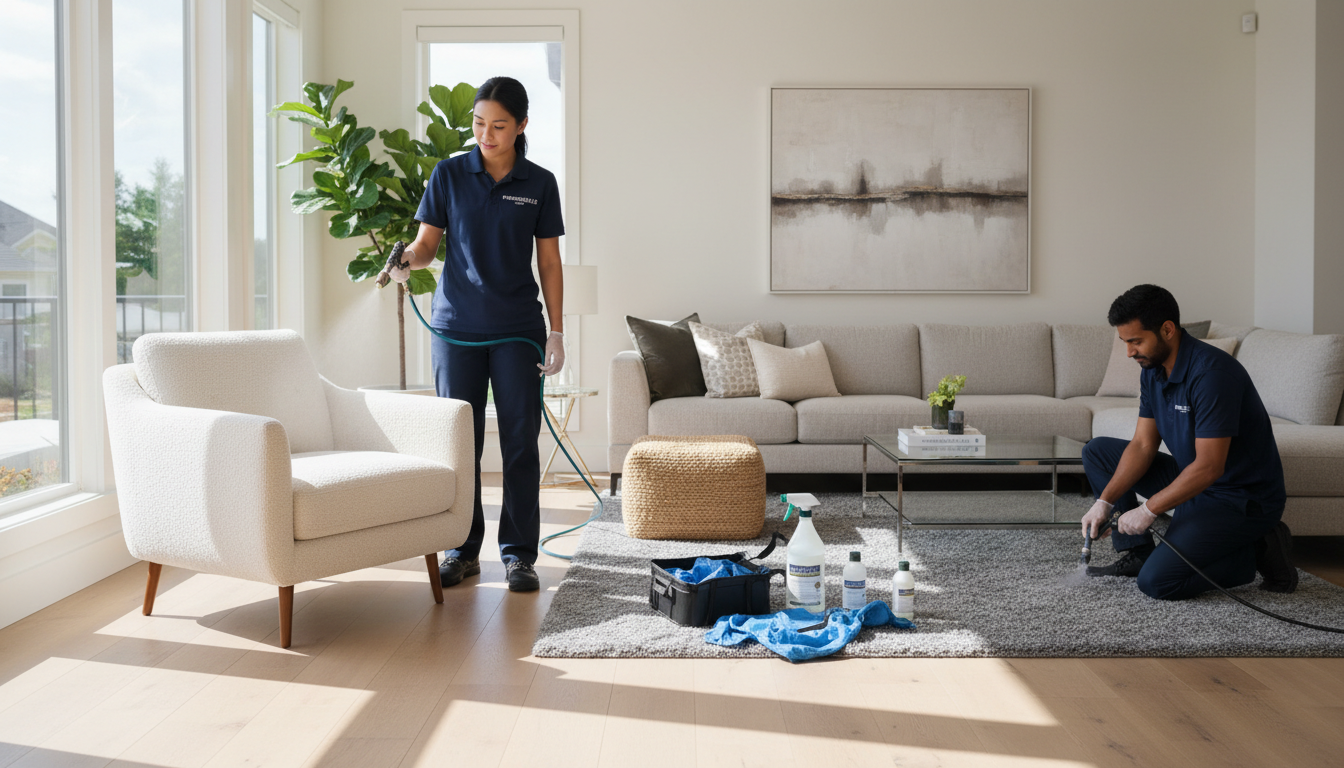
At NanoDefence, we maintain a strict protocol where advanced nano-technology protection is only applied immediately following a thorough deep extraction. This ensures the nano-particles bond to the sterile fiber rather than a layer of dust. Furthermore, the delivery method matters as much as the chemistry. Retail spray cans produce a coarse, uneven mist that often results in patchy coverage, leaving bald spots where liquids can still penetrate. In contrast, our professional-grade equipment uses fine-atomization to ensure deep, uniform penetration into the base of the yarn. When asking is carpet protection worth it, the answer often hinges on this precision. Professional carpet and upholstery cleaning combined with expert application ensures the shield is a performance asset, not a sealant for hidden soil.
Longevity and Maintenance: How Long Does Nano Protection Actually Last?
Directly answering the primary concern, high-quality advanced nano-technology protection typically remains effective for 12 to 18 months. It is important to view this shield as a sacrificial layer; it is designed to take the brunt of mechanical wear so your carpet fibers do not have to. Over time, the physical friction of foot traffic gradually abrades the nano-particles from the surface of the yarn. Because of this, protection will naturally diminish faster in high-traffic zones like stair treads and entryways compared to low-use areas like guest bedrooms.
Homeowners can easily monitor the status of their shield using a water drop test. Simply place a single drop of water on the carpet pile. If it remains as a distinct bead on the surface for several minutes, the protection is still intact. If the water soaks in immediately, the sacrificial layer has worn away and the fiber is vulnerable. When determining is carpet protection worth it over the long term, remember that reapplying the treatment during your annual professional carpet and upholstery cleaning ensures the primary defense remains robust, preventing permanent damage before it has a chance to set.
Investing in nano technology shifts the balance for London homeowners, offering a level of durability that traditional sprays cannot match. By sealing individual fibers, you extend the life of your carpets and simplify daily maintenance. If you want expert help to ensure your home remains pristine and protected, our team is ready to assist. You can learn more about our approach and how we apply these advanced solutions to your living space. We make high performance care simple and effective for your property.