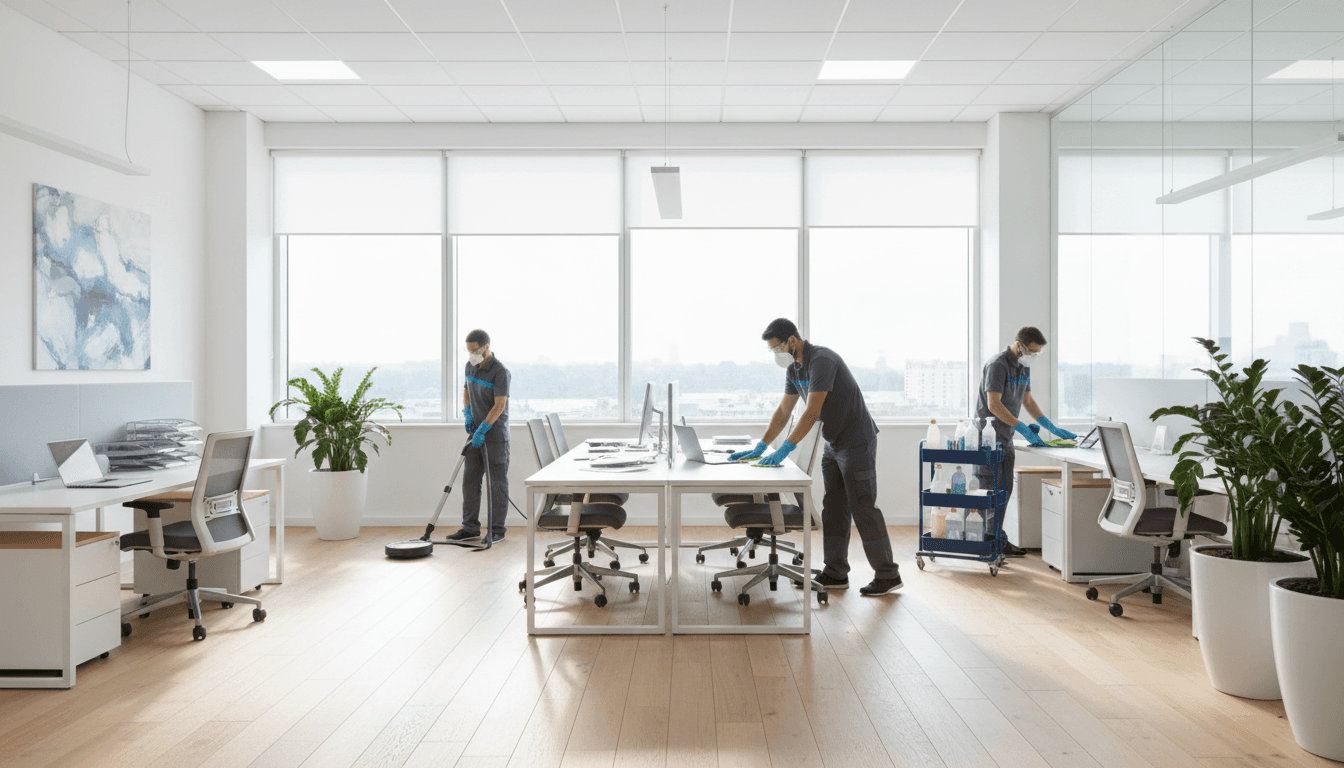
Effective methods for how to remove old set in carpet stains London involve applying specialized carpet stain removal products or home remedies like baking soda and vinegar to break down dried particles. Since these marks often bond with fibers over time, professional deep cleaning services using hot water extraction provide the most reliable solution for complete restoration without damaging the pile.
You have likely spent hours scrubbing a persistent mark in your London home, only to watch it reappear as the carpet dries. This recurring cycle is a common frustration for homeowners who rely on standard retail products to tackle deep seated contaminants. Beyond the aesthetic annoyance, these permanent shadows can degrade the underlying fibers and compromise the air quality of your living space. Understanding why domestic methods fail requires a technical look at how liquid interacts with modern textiles over time. In this guide, we examine the scientific mechanics behind stubborn blemishes and the professional extraction processes required to eliminate them. You will learn about the common pitfalls of DIY treatments, the reality of wicking, and how we utilize advanced nanotechnology to ensure your carpets remain pristine long after the initial treatment is complete.
The Frustrating Mystery of the Returning Carpet Stain
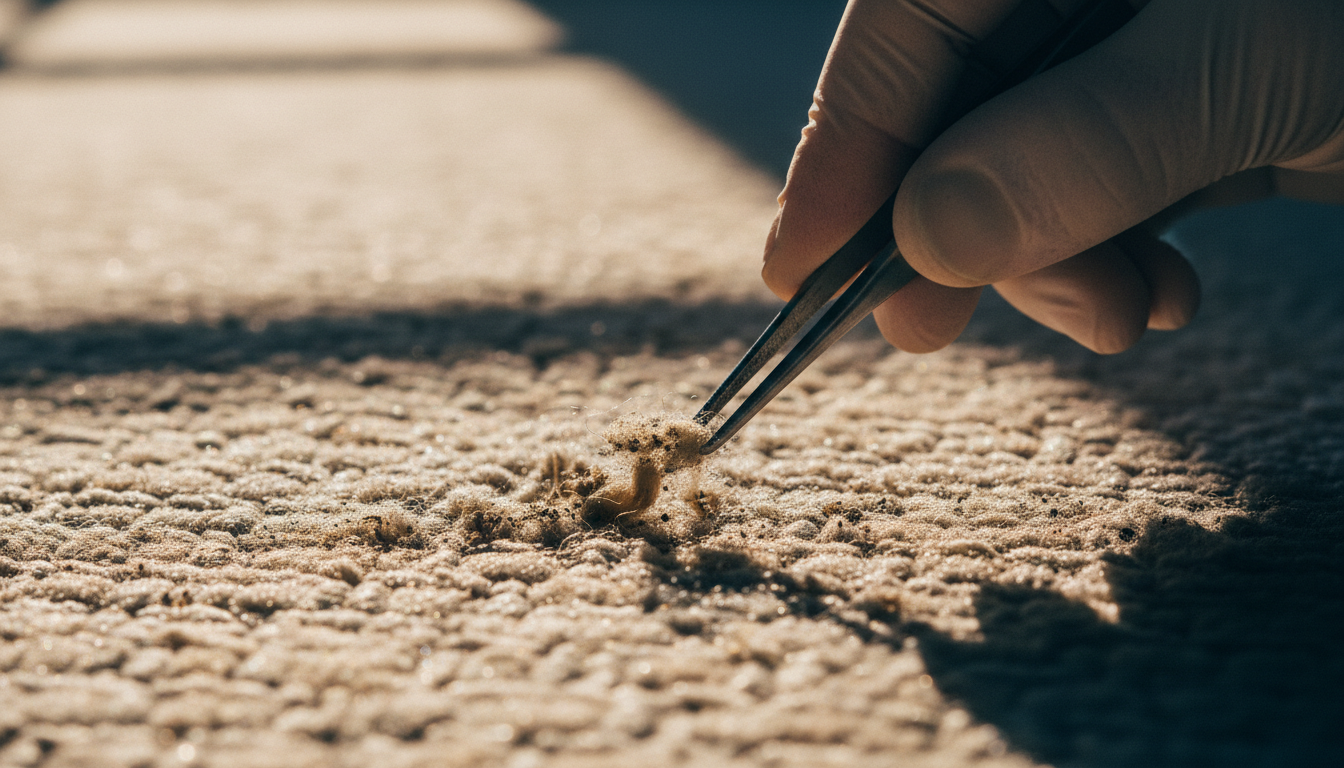
It is a common source of frustration for homeowners across the capital. You spend an afternoon scrubbing a coffee spill until the fibers look pristine, only to find a ghostly outline reappearing forty eight hours later. This cycle of temporary success followed by inevitable disappointment is typical when dealing with set-in marks. In the context of a London home, a stain becomes set-in when the substance has migrated past the visible surface fibers and fused with the carpet backing or underlay. High ambient humidity, common in older Victorian conversions, and the constant pressure of foot traffic in busy city flats accelerate this process. These factors effectively lock the contaminant into the material at a structural level.
Understanding how to remove old set in carpet stains London residents face requires a shift in perspective. A fresh spill is a surface-level liquid management issue. Conversely, a set-in stain is a chemical bond that has often altered the pH of the fiber itself. Standard supermarket sprays and vigorous scrubbing usually only address the top third of the carpet pile. To truly resolve the issue, one must look toward professional carpet cleaning services that utilize deep extraction. Without addressing the reservoir of residue trapped beneath the surface, the stain will continue to reappear as the carpet dries. This phenomenon demands a specialized chemical approach rather than just more soap and water.
Why Your DIY Carpet Cleaning Efforts Are Falling Short
The search for how to remove old set in carpet stains London residents often encounter leads to a plethora of home hacks, primarily the mixture of baking soda and white vinegar. While this chemical reaction creates a satisfying fizz, its efficacy on aged stains is largely superficial. The carbon dioxide bubbles might lift some pigment from the top layer of fibers, but they lack the surfactant strength and thermal energy required to penetrate the carpet backing. In many Victorian homes or modern city apartments, the spill has long since reached the underlay. A spray bottle and a cloth simply cannot reach the depths where the majority of the contaminant resides.
Furthermore, reliance on off-the-shelf supermarket foam cleaners often exacerbates the problem. These products are frequently formulated with high concentrations of detergents that are difficult to rinse out without industrial suction. When these soaps dry, they leave behind a microscopic, sticky residue. This residue acts as a magnet for the fine soot and particulate matter common in urban environments like London. Within weeks, the treated area appears darker and more soiled than before, not because the original stain returned, but because the cleaning agent is now trapping new dirt.
True remediation requires an understanding of fiber chemistry and the physics of extraction. Many homeowners inadvertently damage their flooring by over-scrubbing, which frays the carpet pile and creates a permanent fuzzy texture. If your initial efforts have failed, it is often safer to contact our London team before the carpet fibers suffer permanent structural damage. Our approach bypasses these surface-level pitfalls by utilizing professional carpet cleaning services that address the stain at its subterranean source.
The Science of Wicking: Why Old Stains Reappear After Cleaning
To understand why a mark reappears, one must look at the physics of moisture movement within textile fibers. This phenomenon is known as wicking. When a homeowner attempts to treat an old spot by saturating it with water or a cleaning spray, that liquid travels through the pile into the secondary backing and the underlay. This moisture re-liquefies the dormant, dried spill that has been trapped for months or even years. As the surface of the carpet begins to dry through evaporation, it creates a pressure gradient that dictates where the moisture must go.
The liquid residue at the base of the carpet is drawn upward through the fibers by capillary action, much like wax traveling up a candle wick to feed a flame. By the time the carpet feels dry to the touch, the previously hidden contaminants have been transported back to the tips of the fibers, where they remain as the liquid evaporates. This cycle is particularly prevalent in London properties where slower drying times due to architectural ventilation or humid weather allow wicking to occur over several days. This physical process is often the primary hurdle when homeowners research how to remove old set in carpet stains London residents find most stubborn.
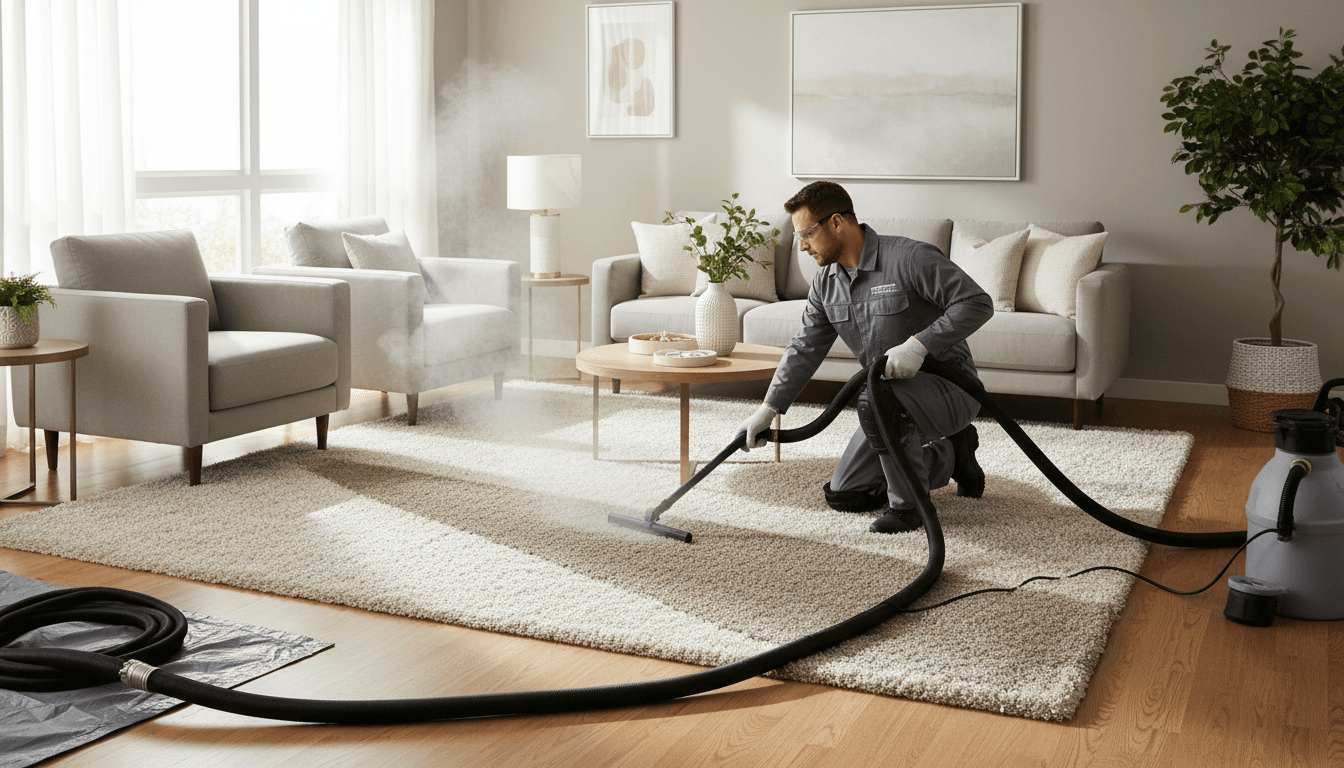
Our professional carpet cleaning services utilize a fundamentally different mechanical approach to break this cycle. Rather than simply wetting the surface, our deep extraction systems use high-pressure, temperature-controlled water to emulsify the subterranean residue and immediately pull it out using high-airflow vacuum motors. We are not just cleaning the visible fiber; we are removing the reservoir of soil from the bottom up. By extracting the moisture and the dissolved solids simultaneously, we ensure that nothing remains in the backing to travel back to the surface. For those seeking a long term solution, we also offer advanced nano-technology surface protection to seal the fibers, ensuring that future spills cannot penetrate deep enough to cause wicking issues in the first place.
How Professionals Remove 10 Year Old Stains from Carpet
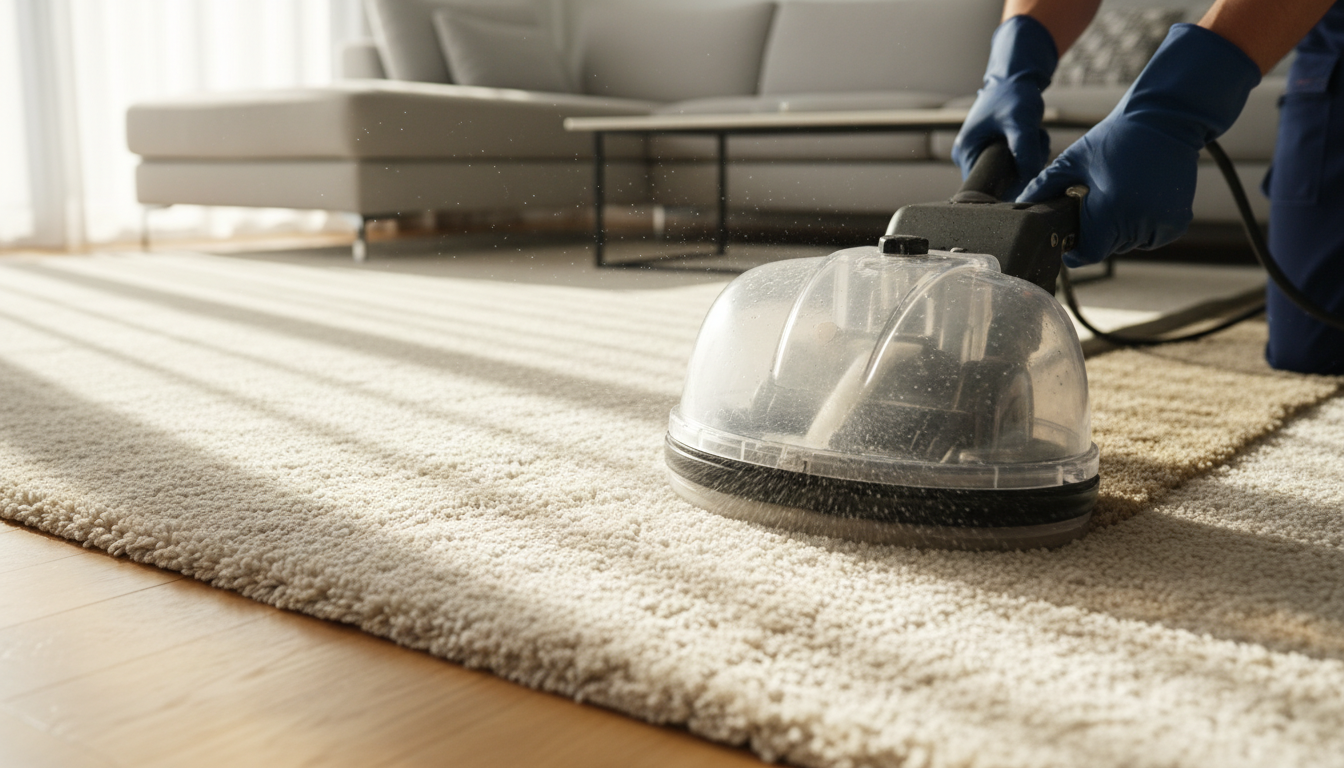
Professional intervention for a decade-old stain moves beyond simple cleaning into the realm of textile restoration. The objective is to reverse years of oxidation and chemical bonding that have fused the contaminant to the carpet. This systematic process begins with a targeted pre-treatment designed to break down the molecular bond of the stain. These professional-grade surfactants are far more sophisticated than supermarket sprays, working to emulsify oils and suspend deeply embedded particles without damaging the integrity of the pile.
The choice of cleaning chemistry depends entirely on the carpet's composition, which varies significantly across London's housing stock. In Victorian-era homes featuring traditional wool rugs or wall-to-wall wool carpets, we use pH-balanced agents that lean toward the acidic side of the scale. Wool is a natural protein fiber that can be permanently damaged or yellowed by high-alkaline solutions. In contrast, the synthetic fibers, such as nylon or polypropylene, common in modern London flats and commercial offices can often handle higher pH levels to dissolve stubborn, greasy residues effectively.
Once the pre-treatment has had sufficient dwell time, we apply mechanical agitation using counter-rotating brushes. This step ensures the solution reaches the base of every fiber, loosening debris that has been compacted by years of foot traffic. The process culminates in high-pressure steam extraction. Our professional carpet cleaning services utilize industrial-strength vacuum motors to inject heated water and immediately extract the liquefied soil from the backing upward. This ensures no residue remains to trigger the wicking process mentioned previously. If you are struggling with a mark that has survived years of DIY attempts, contact our London team to discuss a professional restoration strategy.
Identifying Your Stain: From Coffee to Pet Accidents
Identifying the specific contaminant is crucial because different substances create different chemical bonds with the fibers. Dried coffee and tea stains contain tannins that undergo oxidation over time, becoming more resilient the longer they sit. In London, the high mineral content of our hard water can actually bond with these tannins, creating a greyish, permanent cast if improper cleaning agents are used. This mineral interaction is a primary reason why many residents struggle with how to remove old set in carpet stains London has allowed to settle for months or years.
Pet accidents represent an even more complex chemical challenge. Unlike food spills, urine contains uric acid crystals that are insoluble in water and standard supermarket detergents. While a shop bought spray might bleach the visible yellow pigment, it often fails to reach the crystals embedded in the backing. These crystals reactivate with atmospheric humidity, which is why pet odours often intensify on damp London days. Most retail products simply mask the smell or use harsh surfactants that do not break down the specific organic compounds found in biological stains.
Resolving these deep seated issues requires specialized enzymatic treatments and professional grade acidic rinses to neutralize the pH. If you are dealing with a historic spill that refuses to budge, our professional carpet cleaning services utilize targeted chemistry to dissolve the bond between the contaminant and the fiber. For a comprehensive assessment of your carpet's condition, you can contact our London team to arrange a site visit.
The NanoDefence Advantage: Using Nano Technology to Prevent Future Set In Stains
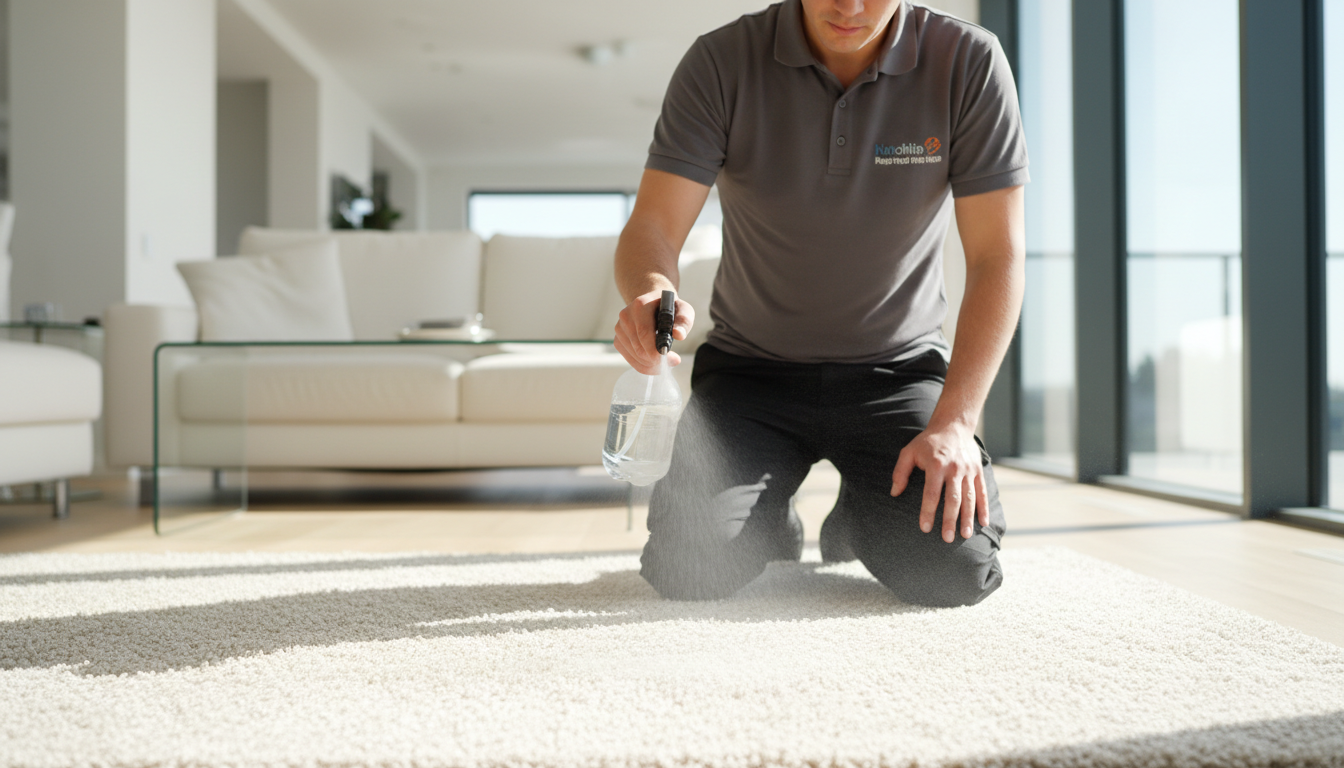
Once the chemical bonds of a historic spill are broken, the focus must shift from restoration to long term preservation. Our advanced nano-technology surface protection represents a fundamental evolution in floor care, moving beyond the temporary nature of a standard clean to provide a molecular shield. Unlike traditional topical treatments that merely coat the surface of the pile, nano-sealants consist of microscopic particles that encapsulate each individual fiber. This creates a hydrophobic and oleophobic barrier that prevents liquids, oils, and fine urban soot from ever making physical contact with the carpet's core material.
This technology fundamentally alters how a spill behaves. Instead of a liquid penetrating the porous structure of a wool or synthetic fiber, it remains in a beaded state on the surface. This intervention is the most effective way to address the recurring issue of how to remove old set in carpet stains London residents find so persistent. By preventing the initial penetration, the substance never reaches the carpet backing or underlay, which completely eliminates the possibility of wicking. What was once a potential permanent mark becomes a simple surface-level cleanup that can be blotted away with a cloth.
For property managers and homeowners in high traffic areas of the city, this proactive approach is a strategic investment in the longevity of the interior. This protective layer does not change the texture or breathability of the carpet, but it does significantly reduce the frequency of required deep extractions. It transitions the maintenance of your flooring from a cycle of crisis management to one of effortless prevention. To ensure your rugs and upholstery are equipped with this microscopic defense, contact our London team to integrate this treatment into your next professional carpet cleaning services appointment.
Dealing with stubborn, set in stains requires a careful balance of specialized equipment and professional techniques. While DIY methods often provide surface level results, they rarely address the grime trapped deep within the fibers. If you find yourself struggling with persistent marks or would prefer an expert to handle the process, NanoDefence is here to assist. You can learn more about our mission and experience to see how we restore carpets throughout London. We are dedicated to achieving the best possible results for your home.