Nano carpet protection creates an invisible, liquid-repellent barrier by bonding microscopic particles to individual fabric fibers to prevent oil and water-based stains. This technology allows spills to bead on the surface for easy cleanup; it also shields porous materials from the abrasive effects of daily foot traffic.
Maintaining the pristine condition of high quality carpeting is a constant struggle against the inevitability of daily life. For many homeowners, a single spilled glass of red wine or tracked mud from a London rainstorm represents a permanent flaw in an otherwise perfect interior. Traditional topical treatments often fail to provide a lasting solution, as they frequently leave behind stiff residues or simply wash away during routine cleaning. To truly safeguard your investment, you must move beyond surface level solutions and embrace the science of molecular preservation. In this guide, we will explore the mechanisms of nano carpet protection, including how it functions at a microscopic level to repel contaminants. You will learn about its impact on fabric integrity, its long term durability, and why professional application remains the superior choice for modern property maintenance.
The Evolution of Floor Care: What is Nano Carpet Protection?
The landscape of floor care has shifted significantly from the heavy, film-forming applications of the 1990s to the precise engineering used today. Historically, carpet protectors functioned much like a layer of plastic wrap, sitting on top of the fabric to create a temporary physical barrier. While effective to a degree, these older formulations were prone to cracking under foot traffic and could occasionally leave a stiff, unnatural residue. Modern nano carpet protector technology represents a departure from this top-down approach, focusing instead on molecular integration.
At its core, a nano coating carpet treatment utilizes microscopic particles that are far too small to be seen or felt. Rather than creating a surface film, these particles bond to individual carpet fibers at a molecular level. This ensures that every strand is shielded independently without compromising the carpet's breathability or its original texture. By integrating advanced nano-technology surface protection into the fiber itself, the treatment becomes a part of the material rather than a temporary additive.
For London homeowners, this technology marks an essential transition from reactive maintenance to proactive preservation. In a city where urban soot and high-traffic lifestyles can quickly degrade high-value textiles, relying solely on professional carpet cleaning services is often not enough to prevent permanent grey-out or fiber damage. Implementing a molecular shield allows for a higher standard of care, ensuring that delicate wools and synthetic blends alike remain resilient against the daily demands of metropolitan living. To understand how these microscopic barriers can be integrated into your home maintenance schedule, you may contact our London team for a detailed assessment.
The Molecular Level: How Nano Protection Actually Works
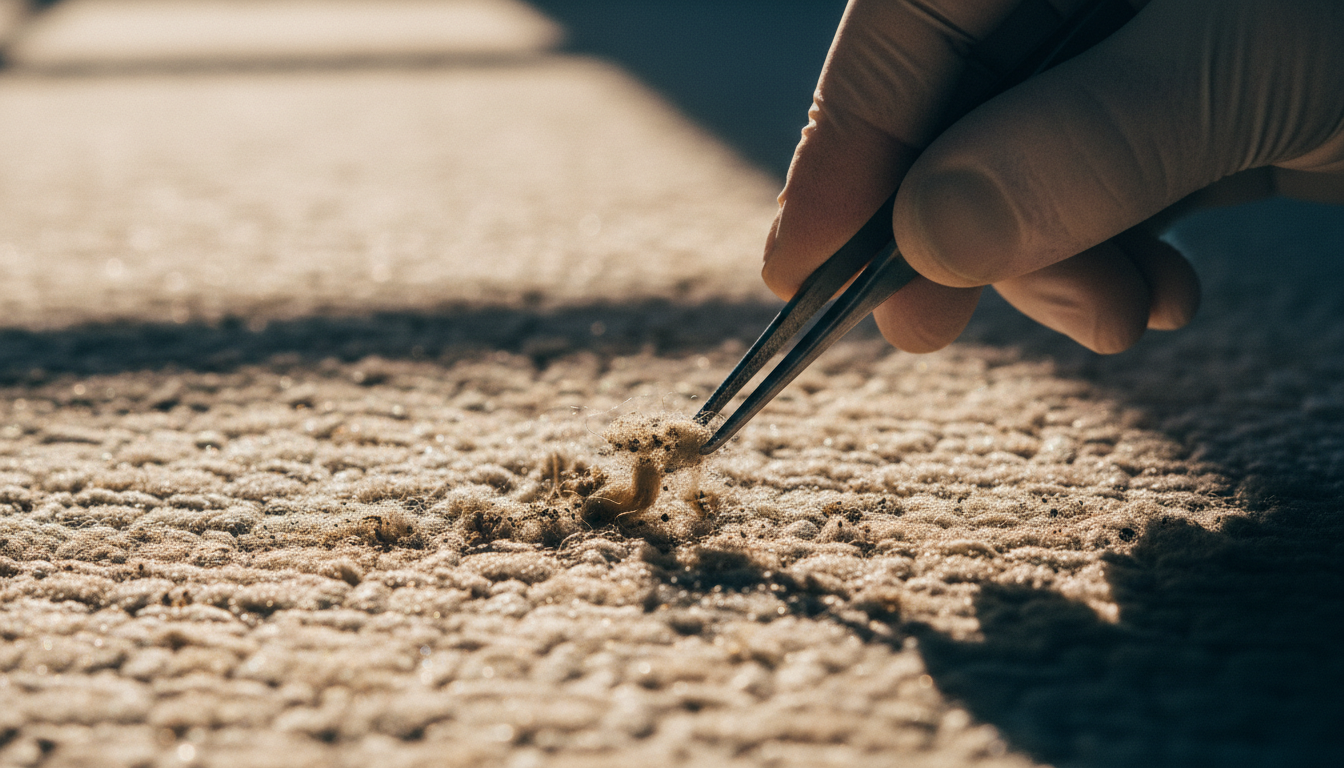
Understanding the efficacy of this treatment requires looking at the "Lotus Effect," a phenomenon observed in nature where water droplets roll off a leaf, collecting dirt as they go. In the context of nano carpet protection, we replicate this by creating a surface with extremely low surface energy. When a spill occurs, the liquid cannot flatten out or "wet" the fiber. Instead, the surface tension of the liquid forces it into a spherical bead that rests atop the fiber mesh.
This mesh consists of nano-particles that arrange themselves into a structured, invisible barrier. Unlike traditional protectors that function as a monolithic film, this advanced nano-technology surface protection creates a breathable shield. It is both hydrophobic, meaning it repels water-based liquids like coffee or wine, and oleophobic, which allows it to resist oil-based contaminants such as grease or tracked-in road grime. Because the particles are microscopic, they do not clog the spaces within the carpet weave; this maintains the natural airflow and breathability of the textile.
The application process concludes with a specific curing phase. As the carrier liquid evaporates, the nano-particles undergo molecular bonding with the individual fibers. This is a critical distinction from retail-grade products that focus solely on surface-level liquid repulsion. Generic treatments often fail because they lack the bond strength to withstand the "puncture" effect of regular foot traffic. When a person walks on a treated carpet, the mechanical pressure can easily break a weak, film-based protector, allowing stains to seep through the cracks. Molecular nano-bonding, however, ensures the protection is anchored to the fiber itself, providing superior resistance to mechanical abrasion.
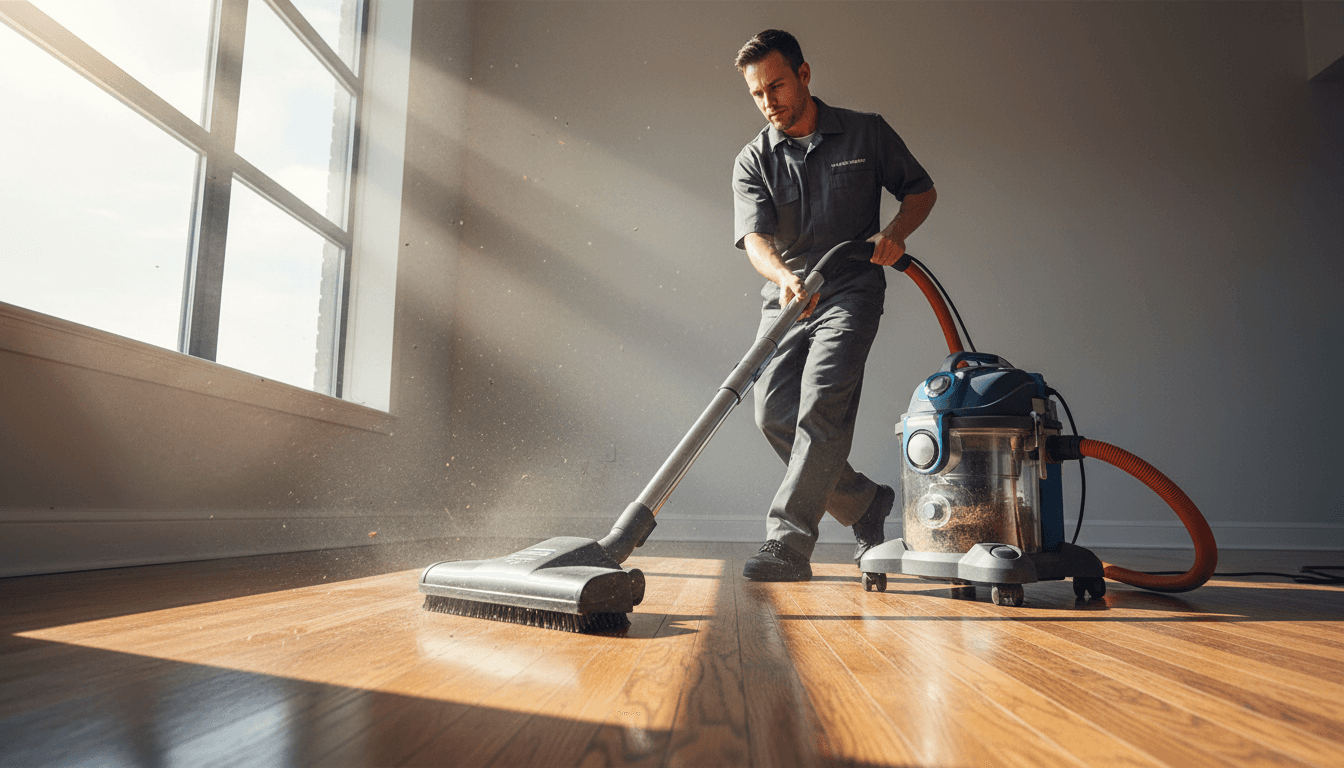
This technical approach is why professional carpet cleaning services are a prerequisite for application. The fibers must be pristine for the bonding to occur effectively at the molecular level. Homeowners who wish to see this technology in action can contact our London team to discuss the specific requirements of their flooring, ensuring the protective barrier is applied and cured correctly for maximum durability.
Does Nano Carpet Protection Damage Carpets or Leave Residues?
A common concern for homeowners investing in premium flooring is whether the application of a protective shield will alter the tactile experience of the rug or damage the delicate fibers. The reality of professional nano carpet protection is quite the opposite. Because the individual nano-particles are approximately 1/100,000th the width of a human hair, they occupy the microscopic valleys of the fiber surface without adding bulk or stiffness. This microscopic scale ensures that the carpet’s original texture, sheen, and breathability remain entirely unchanged.
When addressing the question, "does the carpet protector leave a residue?", it is essential to distinguish between retail-grade aerosols and advanced nano-technology surface protection. Traditional DIY sprays often rely on heavy surfactants or silicone-based films that can leave a crunchy feel or, worse, a sticky residue. This stickiness actually attracts airborne dust and oils through a process known as rapid re-soiling, causing the carpet to look dirty faster than if it were left untreated. Professional-grade nano coatings avoid this entirely. The particles bond so cleanly that they are virtually indistinguishable from an untreated fiber to the touch. By utilizing professional carpet cleaning services to prepare the surface, you ensure the floor remains soft and supple while gaining significant resistance to permanent staining.
Why London Properties Benefit More from Nano Technology
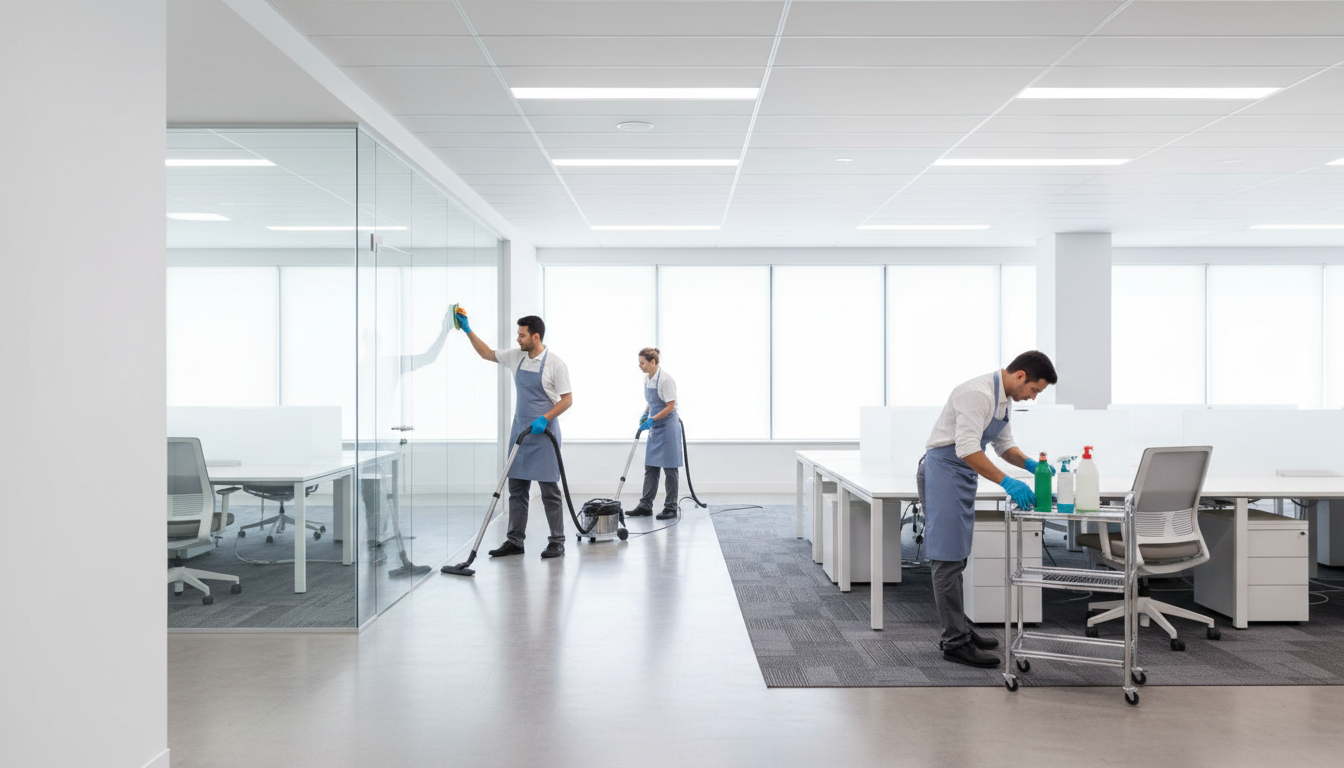
Properties in the capital face environmental challenges that differ significantly from rural or suburban settings. In areas like Central London, the high concentration of airborne pollutants and soot from heavy traffic creates a unique type of greasy dust. This urban grime does not just sit on the surface; it penetrates the fibres and leads to a phenomenon known as grey-out, where the carpet permanently loses its vibrancy. By applying advanced nano-technology surface protection, homeowners can prevent these micro-particles from bonding to the textile, making it far easier to remove pollutants during regular vacuuming.
The architecture of the city also plays a role in how flooring ages. Many Victorian conversions in neighbourhoods like Kensington or Fulham feature high-value wool rugs and wall-to-wall carpeting that are inherently porous. Wool is excellent at hiding soil, but its natural structure can absorb oily pollutants that are difficult to extract once they set. Nano carpet protection acts as an invisible shield for these delicate natural fibres, ensuring that spills and urban dust remain on the surface rather than being absorbed into the core of the yarn.
For property managers overseeing high-turnover rentals, this technology is particularly advantageous. Frequent tenancies often mean increased wear and a higher likelihood of neglected spills. Implementing a systematic protection plan alongside professional carpet cleaning services extends the aesthetic life of the flooring, reducing the frequency of costly replacements. To determine the best protection strategy for a specific property type, you may contact our London team for expert advice on maintaining high-traffic metropolitan interiors.
Longevity and Durability: How Long Does Nano Protection Last?
Determining the exact lifespan of a protective treatment depends largely on the environmental demands of the space. For most residential and commercial settings, professional nano carpet protection provides an effective barrier for 12 to 24 months. While some industry experts compare this process to periodically waxing a car, the molecular nature of nano-particles provides a distinct advantage. Unlike a wax that sits on the surface and wears away through friction, these particles are integrated into the fiber structure, offering significantly higher resistance to mechanical abrasion caused by regular foot traffic.
To maintain peak performance, homeowners should monitor the beading effect of their textiles. When the advanced nano-technology surface protection is fully active, liquid spills will sit on top of the fibers as spherical droplets. If you notice water beginning to soak into the yarn rather than resting on the surface, the molecular shield has likely thinned and requires attention.
Strategic re-application is best handled alongside professional carpet cleaning services to ensure the fibers are properly prepared for a new bond. In high-traffic London corridors or commercial reception areas, an annual refresh is often recommended to maintain total coverage. For a personalized maintenance schedule based on your specific floor plan, you may contact our London team for a durability assessment.
Professional Application vs. DIY Nano Sprays
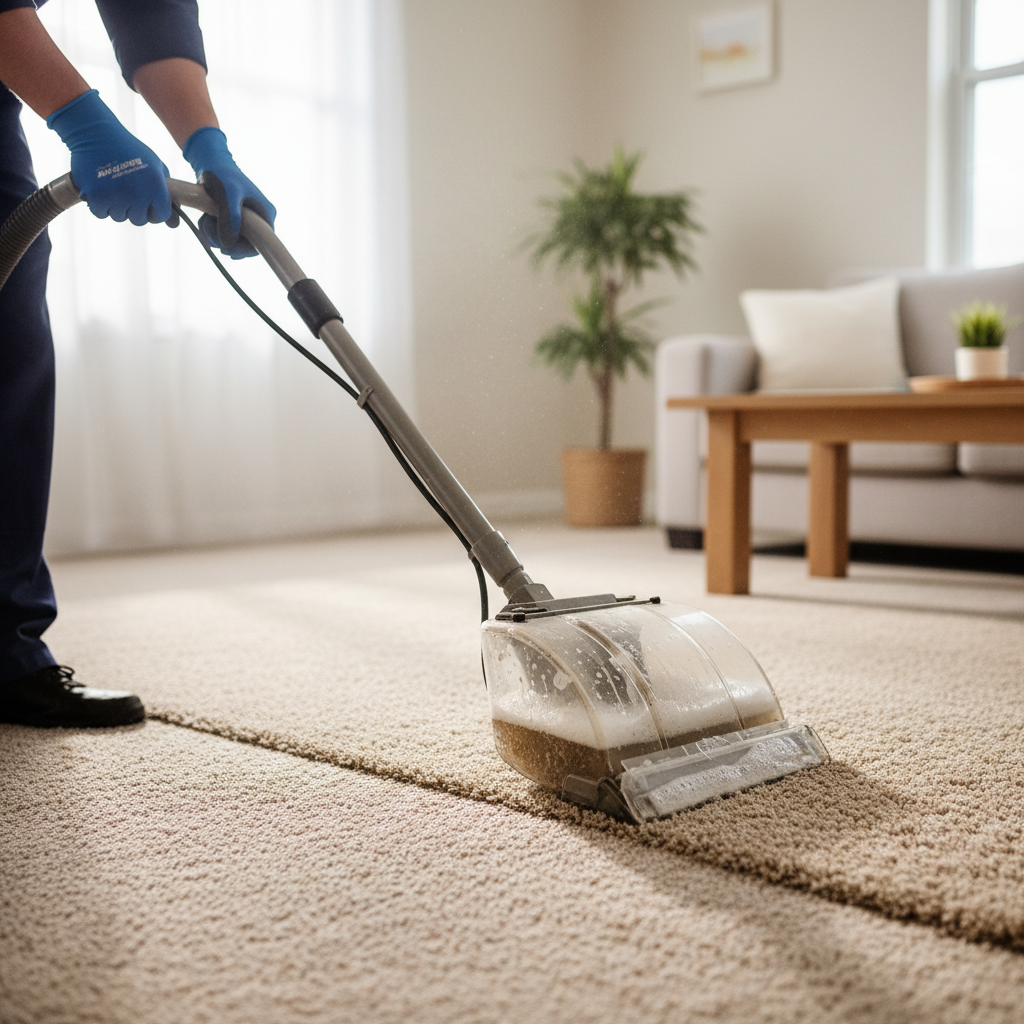
Searching for the best carpet protector spray in the UK often leads to retail aerosols designed for quick, surface level fixes. While these products provide a temporary hydrophobic layer, they lack the structural integrity of a professional grade treatment. The primary limitation of DIY sprays is the surface condition; applying a protector to a carpet that has not been professionally sanitized means the nano-particles bond to dust, oils, and microscopic debris rather than the fiber itself. When this debris eventually detaches through vacuuming or walking, the protective layer goes with it.
NanoDefence utilizes a systematic approach to ensure advanced nano-technology surface protection achieves its maximum lifespan. The process begins with specialized pre-treatments that break down existing contaminants. This is followed by professional carpet cleaning services using high-heat deep extraction, which pulls out deeply embedded grit and detergent residues. Only when the fibers are chemically neutral and physically clean do we apply the nano-coating. This ensures the bond is formed directly with the textile polymer.
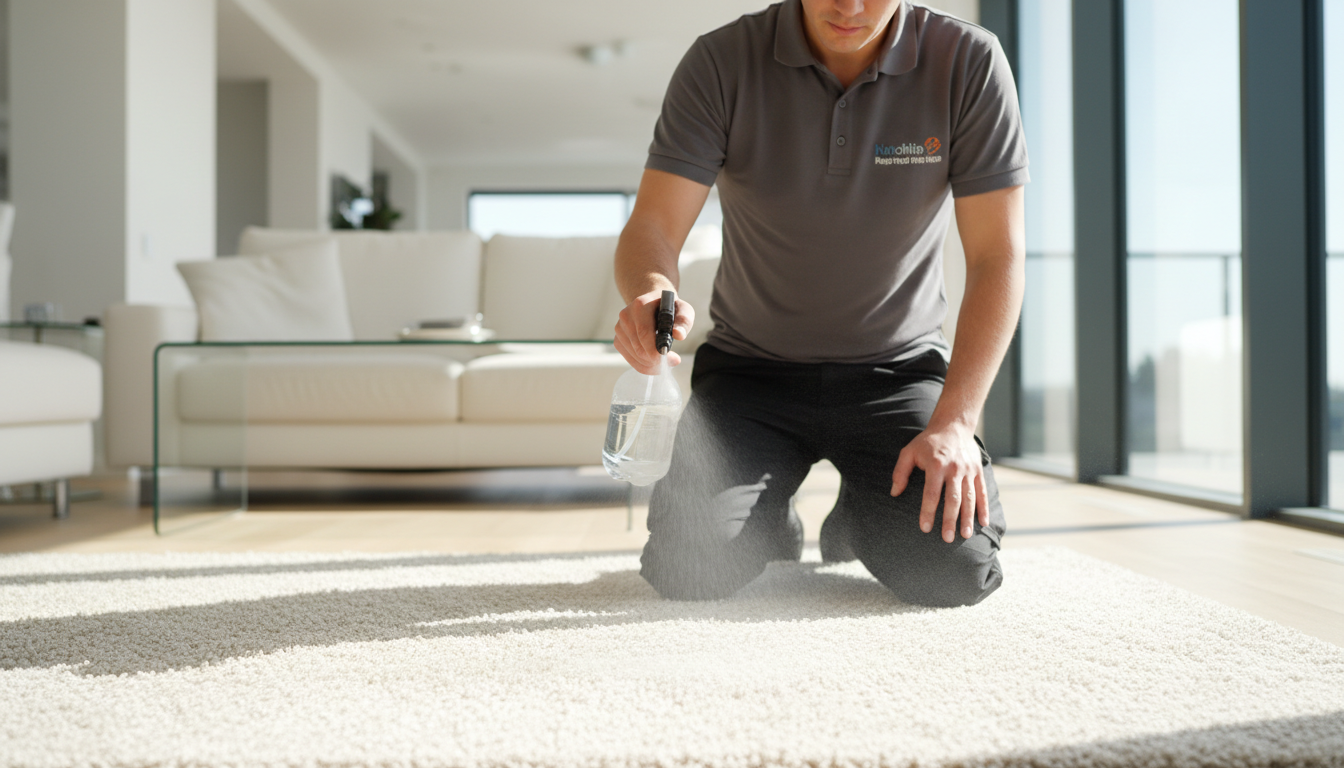
We utilize high-precision professional sprayers to achieve a uniform mist, preventing the pooling or oversaturation common with manual pump sprays or retail cans. This even distribution ensures every angle of the fiber is encapsulated, providing the puncture resistance necessary to withstand heavy foot traffic without leaving untreated gaps. To ensure your textiles receive this level of precision, you may contact our London team for a consultation on your specific flooring needs.