Effective coffee and tea stain removal carpet methods involve immediate blotting followed by a cleaning solution of white vinegar, water, and mild dish soap. For dried or stubborn spots, applying a baking soda paste to the area before vacuuming can lift tannins and prevent permanent discoloration of the fibers.
A single morning mishap can transform a pristine carpet into a source of enduring frustration, particularly when that spill involves coffee or tea. These common beverages are not merely surface liquids; they are potent organic dyes that penetrate deep into the textile matrix. Many homeowners instinctively reach for pantry staples like vinegar or baking soda, yet these reactive solutions often set the stain permanently rather than lifting it. Understanding the chemistry of tannins is essential for preserving the integrity of your interior investment. In this guide, we examine the molecular behavior of these spills and provide a professional framework for immediate remediation. You will learn why traditional DIY methods frequently backfire, how to manage stubborn dried remnants, and how the NanoDefence approach utilizes advanced extraction and protective coatings to ensure your flooring remains immaculate despite daily accidents.
The Chemistry of the Spill: Why Coffee and Tea Act Like Dyes
Understanding the difficulty of coffee and tea stain removal carpet tasks requires a look at the molecular structure of the beverage. Coffee and tea are rich in tannins, which are organic polyphenols derived from plants. In the textile and leather industries, tannins are frequently used as natural dyes or mordants because of their inherent ability to bind to proteins and cellulose. When a hot beverage hits your floor, you are not just dealing with a liquid spill; you are witnessing a rapid, localized dyeing process.
A critical distinction exists between a simple spill and a true tannin stain. While the liquid remains in the interstitial spaces between fibers, it is a spill that can be managed. However, tannins quickly form a chemical bond with the fiber itself. This process is significantly accelerated by the temperature of the liquid. A freshly brewed flat white or a steaming cup of Earl Grey carries enough thermal energy to physically alter the carpet fibers.
In natural materials like wool, which is prevalent in high-end London homes, each fiber is covered in microscopic, overlapping scales. The heat from the spill causes these scales to expand and open, much like the pores on human skin. This allows the dark pigments to penetrate deep into the cortex of the wool. Even in synthetic carpets, heat increases molecular activity, allowing the tannin to wedge into the polymer chains. As the area cools, the fiber structure contracts, effectively locking the pigment inside. This thermal entrapment is why generic cleaning often fails, and why professional carpet, rug, and upholstery cleaning is required to safely release the bond without fraying the delicate pile.
Common DIY Mistakes: When Baking Soda and Vinegar Make Things Worse
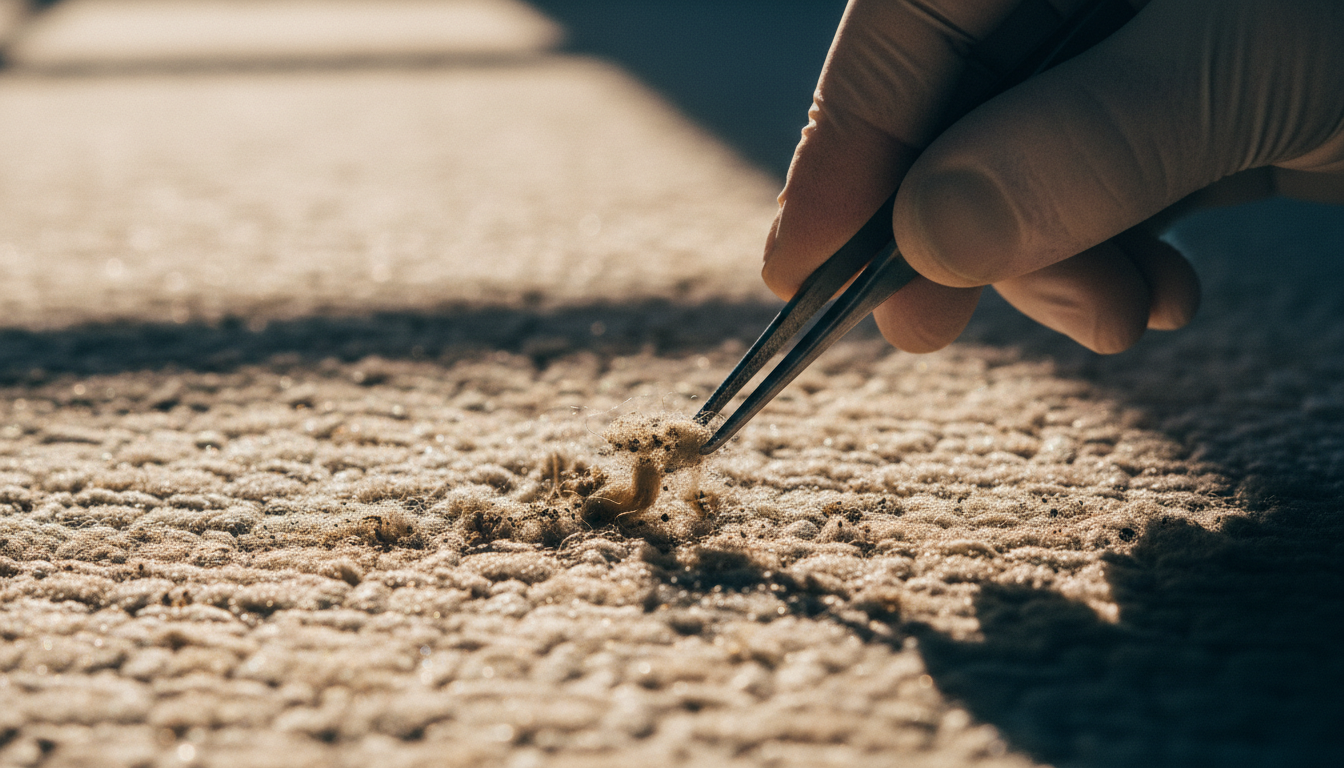
Many London homeowners turn to social media platforms or popular forum threads for quick fixes when a spill occurs. The most frequent suggestion involves a combination of baking soda and white vinegar. While baking soda is a functional absorbent in its dry form, creating a paste often backfires. Once this paste dries, the fine sodium bicarbonate particles become trapped deep within the carpet pile. This gritty residue is notoriously difficult to vacuum out and acts as a localized abrasive, wearing down fibers over time. Furthermore, the remaining residue becomes a magnet for atmospheric soil, leading to a dark, sticky patch that reappears long after the coffee and tea stain removal carpet attempt.
The chemical logic behind using vinegar is also fundamentally flawed for tannin based spills. Most teas have a pH between 4.9 and 5.5, placing them firmly on the acidic side of the scale. Adding white vinegar, which has a pH of approximately 2.5, does nothing to neutralize the spill. Instead, you are simply saturating the fibers with more acid, which can occasionally set the tannin dye even more firmly into natural wool or silk rug fibers. Using incorrect pH levels can lead to permanent discolouration that even the most rigorous professional carpet, rug, and upholstery cleaning cannot always rectify if the dye has been set.
Perhaps the most damaging mistake is the instinctive urge to scrub. Vigorous agitation with a brush or cloth causes mechanical damage known as fiber bloom. This frays the tips of the carpet, creating a permanent fuzzy texture that alters the light reflection and makes the area look worn. Simultaneously, the pressure of scrubbing forces the liquid through the primary backing and into the underlay. This creates a hidden reservoir of moisture and pigment that eventually migrates back to the surface through capillary action, a phenomenon professionals call wicking.
How to Handle a Fresh Spill: The Immediate London Homeowner Guide
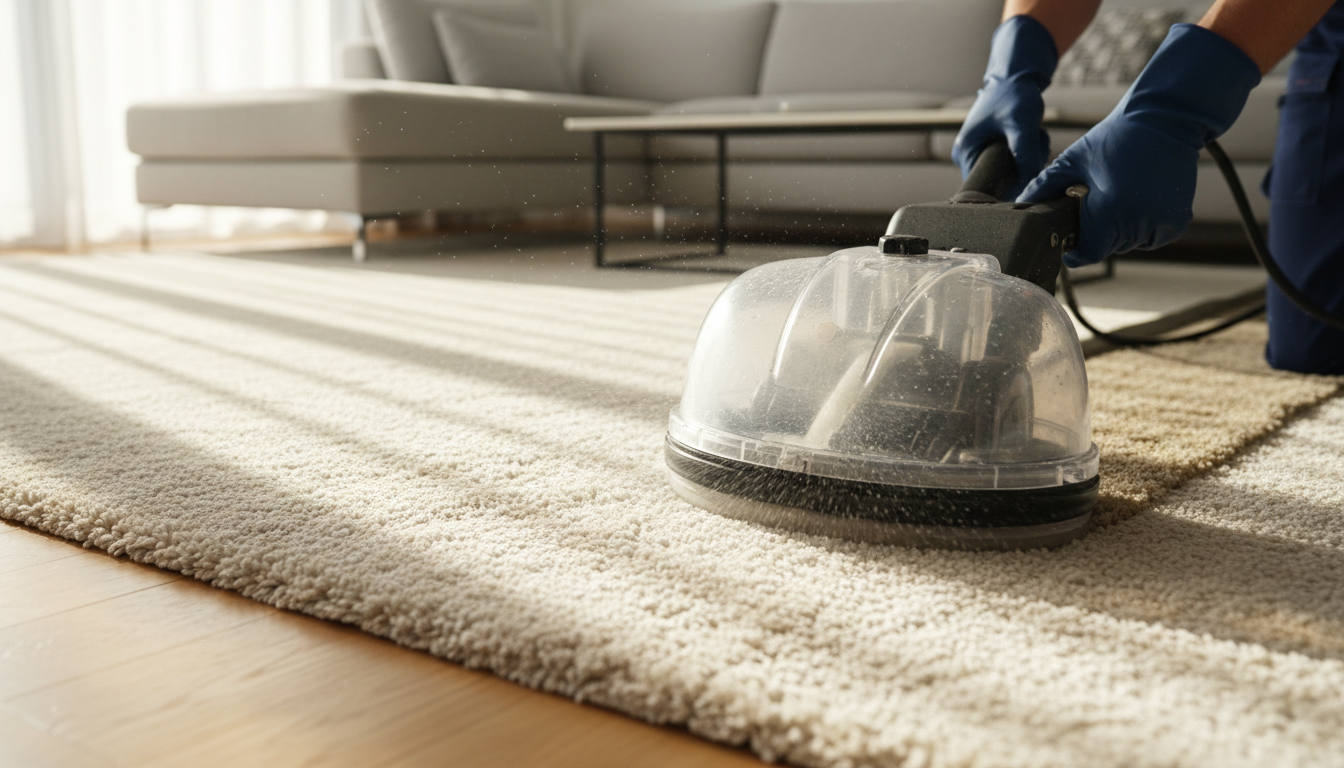
Knowing the chemistry behind these organic dyes allows for a more strategic response when a cup tips over. The primary goal during the first sixty seconds is containment and dilution, not aggressive removal. Effective coffee and tea stain removal carpet management at home requires a disciplined approach to prevent permanent damage to the textile.
Follow this protocol for any fresh spill: 1. Blot, do not rub: Use a clean, white microfiber cloth. Avoid coloured towels as the tannins in the beverage can act as a mordant, potentially pulling the dye out of the towel and into your carpet. 2. Work from the outside in: Start at the edges of the spill and move toward the centre. This prevents the liquid from spreading horizontally through the primary backing. 3. Dilute with cold water: Unlike generic advice suggesting warm water, cold water is essential. It helps to dilute the tannins without providing the thermal energy that opens fiber scales.
London homeowners must be particularly cautious of the city's hard water. The high mineral content in local tap water can leave unsightly white rings or tide marks if the area is saturated and left to dry slowly. Always use a dry section of your microfiber cloth to extract as much moisture as possible after dilution. Furthermore, avoid off the shelf oxygen based cleaners. These oxidizing agents are often too harsh for the delicate wool and silk rugs found in Kensington or Chelsea residences, frequently causing irreversible bleaching. If the stain persists after initial blotting, professional carpet, rug, and upholstery cleaning is the only safe way to ensure the pigment is fully removed without compromising the pile.
Removing Dried Coffee and Tea Stains: Is it Ever Too Late?
Many homeowners assume that if a spill has dried, the damage is permanent. While a set-in mark is more resilient, coffee and tea stain removal carpet processes for older spills remain highly effective when approached with specialized chemistry. The primary challenge with a dried spill is not just the surface pigment, but a phenomenon known as the wicking effect. This occurs when the beverage has permeated the carpet backing or underlay. Even if the surface fibers appear clean after a DIY attempt, the moisture trapped deep within the structure eventually evaporates, drawing the concentrated tannins back up to the tips of the pile through capillary action. This is why a dark, circular ring often mysteriously reappears several days after the initial cleaning.
An old tea stain on wool carpet presents a particularly difficult hurdle due to the porous nature of natural protein fibers. As established earlier, wool fibers possess overlapping scales. Once the liquid dries, the tannins become chemically bonded to the fiber cortex, essentially completing a cold-dyeing process. At this stage, generic store-bought detergents are insufficient because they cannot penetrate the dried molecular structure of the spill without using excessive water that risks shrinking the rug.
Effectively reversing this bond requires the use of professional-grade surfactants and heat-controlled extraction. Surfactants work by significantly lowering the surface tension of the cleaning solution, allowing it to bypass the hydrophobic properties of dried residue. When combined with a precise, elevated temperature, these professional systems safely break the chemical bond between the tannin and the fiber. This controlled approach ensures that the pigment is flushed from both the pile and the backing, providing a permanent solution rather than a temporary surface fix. For those facing stubborn, aged marks, engaging professional carpet, rug, and upholstery cleaning is the most reliable way to salvage the investment in your flooring.
The NanoDefence Advantage: Advanced Extraction and Nano Protection
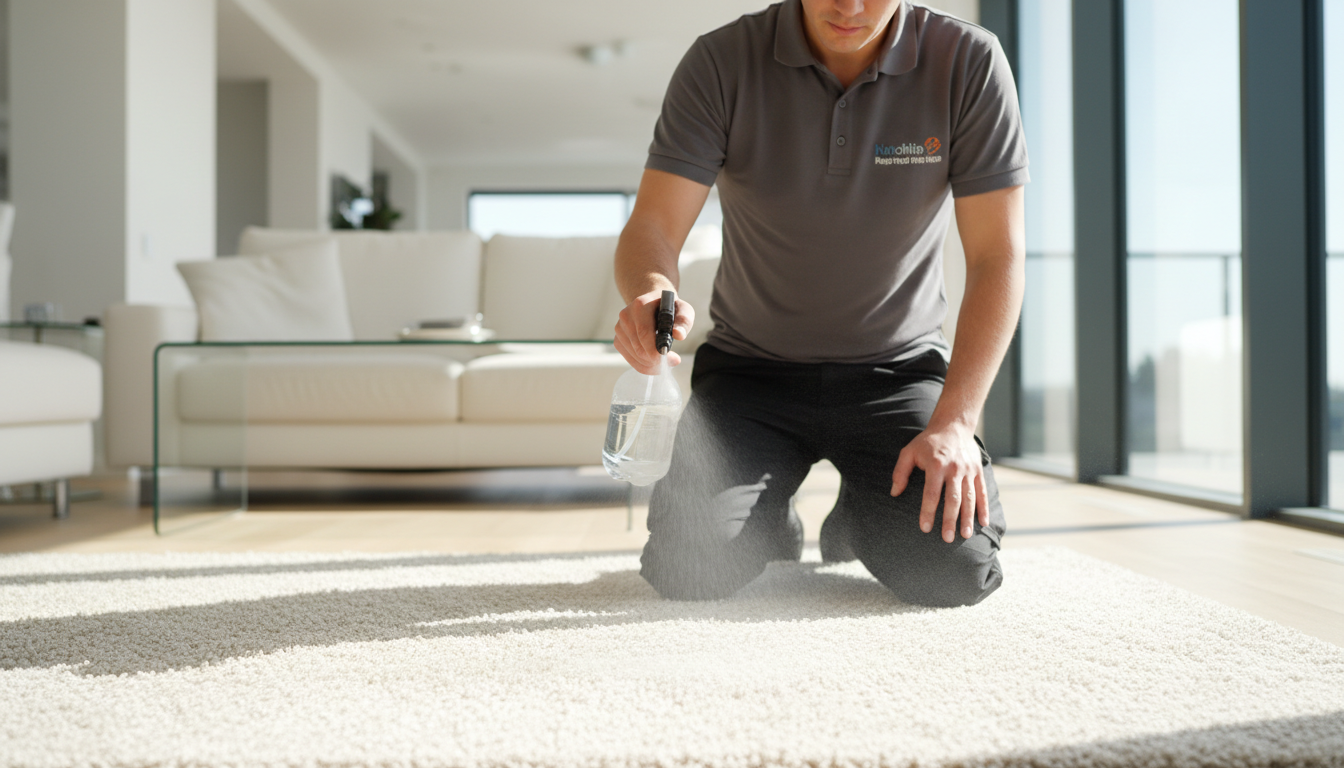
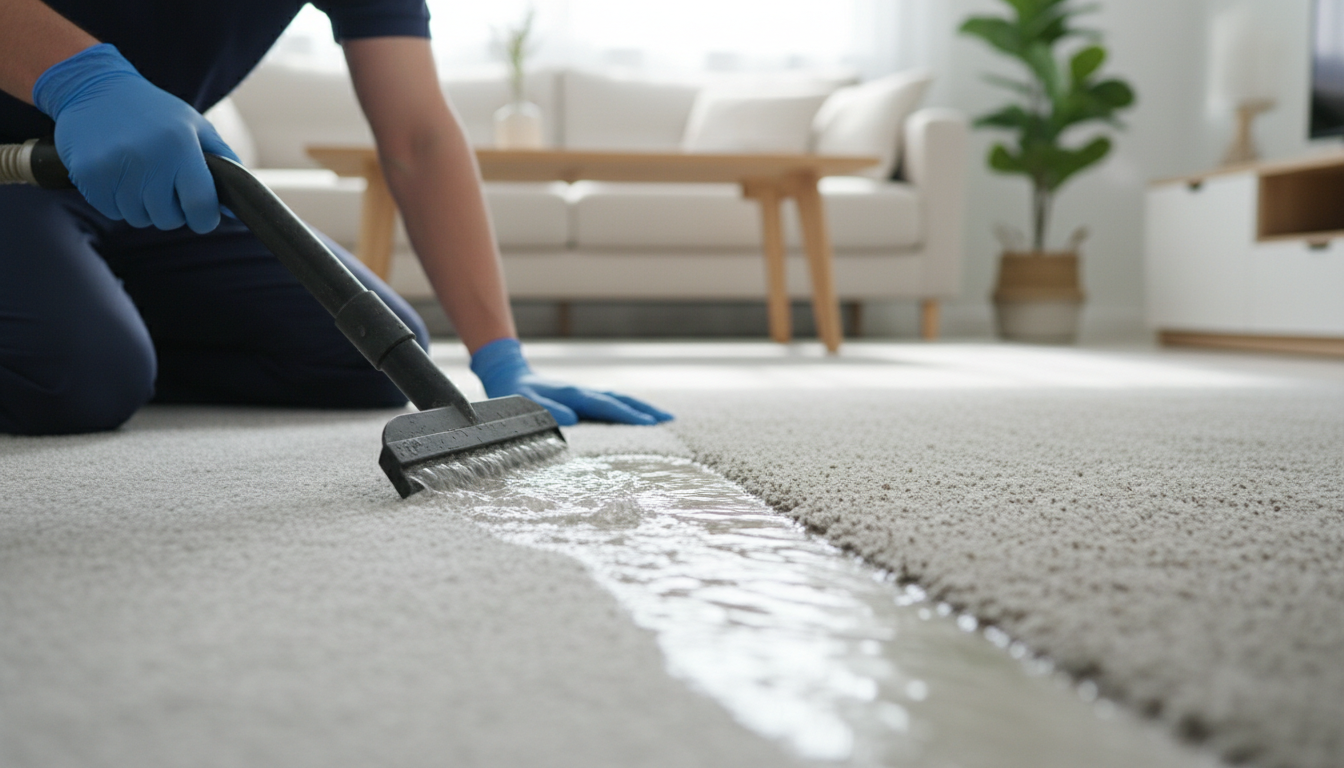
The standard for professional carpet, rug, and upholstery cleaning at NanoDefence involves a rigorous, multi-stage recovery and shielding protocol. While domestic machines or rental tools primarily refresh the surface pile, our industrial-grade extraction systems utilize precisely controlled heat and high-volume vacuum pressure. This depth of cleaning is necessary to reach the primary backing where tannins often settle, ensuring that every trace of the spill is removed and eliminating the possibility of recurring shadows caused by wicking.
The true distinction of our process is the application of advanced nano-technology surface protection. Traditional fabric protectors typically form a film on the exterior of a fiber that can be easily abraded by foot traffic. In contrast, our nano-treatment operates at a molecular level to create a durable, hydrophobic shield around each individual strand. This modification of the surface tension transforms how the carpet interacts with liquids.
For a homeowner, this technology changes the stakes of a spill. When a cup of hot Earl Grey or a flat white hits the floor, the liquid no longer penetrates the porous scales of the wool or the synthetic polymer chains. Instead, the beverage beads up into localized droplets on the surface. This hydrophobic response prevents the chemical bonding described in earlier sections, providing a critical window of time to blot the liquid away with a microfiber cloth for near-perfect results. Integrating this level of science into a maintenance routine is the most effective way to manage coffee and tea stain removal carpet challenges in a busy London environment. To safeguard your interior textiles and ensure lasting results, contact NanoDefence today to discuss our specialized treatment and protection packages.