Effective wool rug winter care London damp involves using breathable rug pads to prevent moisture trapping and blotting spills immediately with cold water. Professional cleaning services provide specialized hand washing to remove seasonal grime without damaging delicate fibers; this maintenance ensures rugs remain durable despite the city's high humidity and festive foot traffic.
As the London mist settles over the city, homeowners often overlook the silent threat permeating their interiors; persistent humidity. For owners of fine wool and oriental rugs, the capital’s damp winter air is more than a seasonal nuisance. It is a catalyst for structural degradation and organic growth. Wool fibers are naturally hygroscopic, meaning they actively draw moisture from the atmosphere, which creates a breeding ground for mildew during the low-light months of December and January. When combined with the abrasive grit and inevitable spills of the festive season, your investment faces its most challenging period of the year. This guide provides an expert blueprint for navigating these environmental risks. You will discover practical methods to manage high humidity, strategies for protecting fibers against holiday foot traffic, and how advanced textile technology can provide an invisible shield for your most delicate floor coverings.
The Unique Challenges of a London Winter for Wool and Oriental Rugs
London winters present a unique set of stressors for high-end textiles. Outside, high humidity and frequent rainfall saturate the air. Inside, particularly in the Victorian-era properties that define much of the city's residential landscape, rising damp can permeate floorboards. This environment creates a difficult paradox for wool rug winter care London damp, as the natural protein fibers of the wool react poorly to these shifting conditions.
Wool is inherently hygroscopic, meaning it absorbs and releases moisture to stay in equilibrium with the surrounding air. While this is usually a benefit, the London climate pushes this characteristic to its limit. City pavements are often treated with a mixture of grit, salt, and chemicals that, when tracked onto a rug, act as an abrasive. Simultaneously, modern central heating systems strip moisture from the air, causing the top of the rug pile to become brittle. Beneath the rug, however, the lack of airflow against cold floors creates a trapped micro-climate where moisture lingers. This contrast between a dry surface and a damp foundation is where the most significant structural damage begins, requiring a deep understanding of professional carpet and rug cleaning services and specialized maintenance to mitigate. For more information about our systematic process, homeowners can see how we handle these delicate fibers.
Why London Damp is the Silent Enemy of Your Oriental Rug
The danger to an Oriental rug in a London winter rarely stems from a single catastrophic event. Instead, the primary threat is the invisible, persistent accumulation of moisture. When considering what happens if a wool rug gets wet, many homeowners focus on immediate spills, but the long term reality of wool rug winter care London damp involves the fiber’s natural ability to absorb up to 30% of its weight in atmospheric moisture without feeling damp to the touch. This hidden saturation is particularly dangerous in properties with stone, marble, or original hardwood flooring, where cold surfaces meet warm, humid indoor air.
This interaction creates condensation beneath the rug, trapping moisture against the foundation. While the wool pile is naturally resilient, the majority of Oriental rugs are constructed on a cotton warp and weft. Cotton is a cellulose fiber, and when it remains damp in a low airflow environment, it becomes a food source for fungi. This leads to a condition known as dry rot. Despite its name, dry rot is the result of moisture causing the cotton foundation to lose its structural integrity. Once a rug reaches this stage, the fibers become brittle; the rug may look fine on the surface, but it will crack or tear like old paper when handled or moved.
To mitigate these risks, the choice of rug pad is critical. Many mass market pads are made of solid rubber or synthetic materials that create a vacuum seal against the floor, effectively locking moisture in. For London’s humid climate, a breathable, open-mesh rug pad is essential to allow for continuous air circulation. If a rug begins to emit a faint musty odor, it is an indication that the moisture balance is skewed and microbial activity has begun. Utilizing professional carpet and rug cleaning services ensures that deep seated moisture and contaminants are extracted before structural decay sets in. Learning more about our systematic process can help you understand how we monitor and manage these moisture levels to protect your investment throughout the dampest months of the year.
Managing Festive Foot Traffic: From Christmas Parties to New Year Grit
The increase in social gatherings during December introduces a physical threat that compounds the issues of wool rug winter care London damp: abrasive particulate matter. London’s pavements are frequently treated with a mixture of sharp grit, de-icing salts, and chemical anti-freeze agents. When tracked onto a wool rug, these microscopic shards settle at the base of the pile. As guests walk over the rug, these particles act like sandpaper, physically sawing through the delicate wool scales and the cotton foundation with every step.
To manage this, homeowners should implement a strategy of sacrificial barriers. Placing high-absorbency, washable cotton mats at every entry point captures the bulk of the moisture and grit before it reaches your investment pieces. During festive events, a strict no-shoes policy is the most effective defense, though not always practical for formal hosting. If a spill occurs, the method of response is critical. While generic advice often suggests cold water for everything, it is vital to understand that protein-based stains, such as gravy, meat juices, or certain red wines, are particularly stubborn. Cold water is essential to prevent these proteins from coagulating and bonding permanently to the wool fibers, but the technique of application matters most.
Under no circumstances should you rub a spill. Rubbing creates friction that generates heat, potentially setting the stain; more importantly, it drives the aforementioned London grit deeper into the rug's core. Once these abrasives are embedded, they cause permanent fiber thinning that cannot be reversed by standard vacuuming. For deep-seated particulates and stubborn festive spills, professional carpet and rug cleaning services utilize controlled extraction methods that remove grit without damaging the wool’s natural structure. Understanding about our systematic process reveals how we address these specific winter contaminants safely while preserving the rug's integrity.
How to Prevent Mould and Mildew in High Humidity Zones
Basement apartments and older terrace houses across London are prone to localized humidity spikes during the colder months. To manage wool rug winter care London damp effectively, start by evaluating the placement of your textiles. Avoid laying high-value rugs directly against exterior-facing walls or beneath drafty, single-pane windows. These areas are prone to condensation, which can migrate from the wall or floor into the rug's foundation without being visible on the surface.
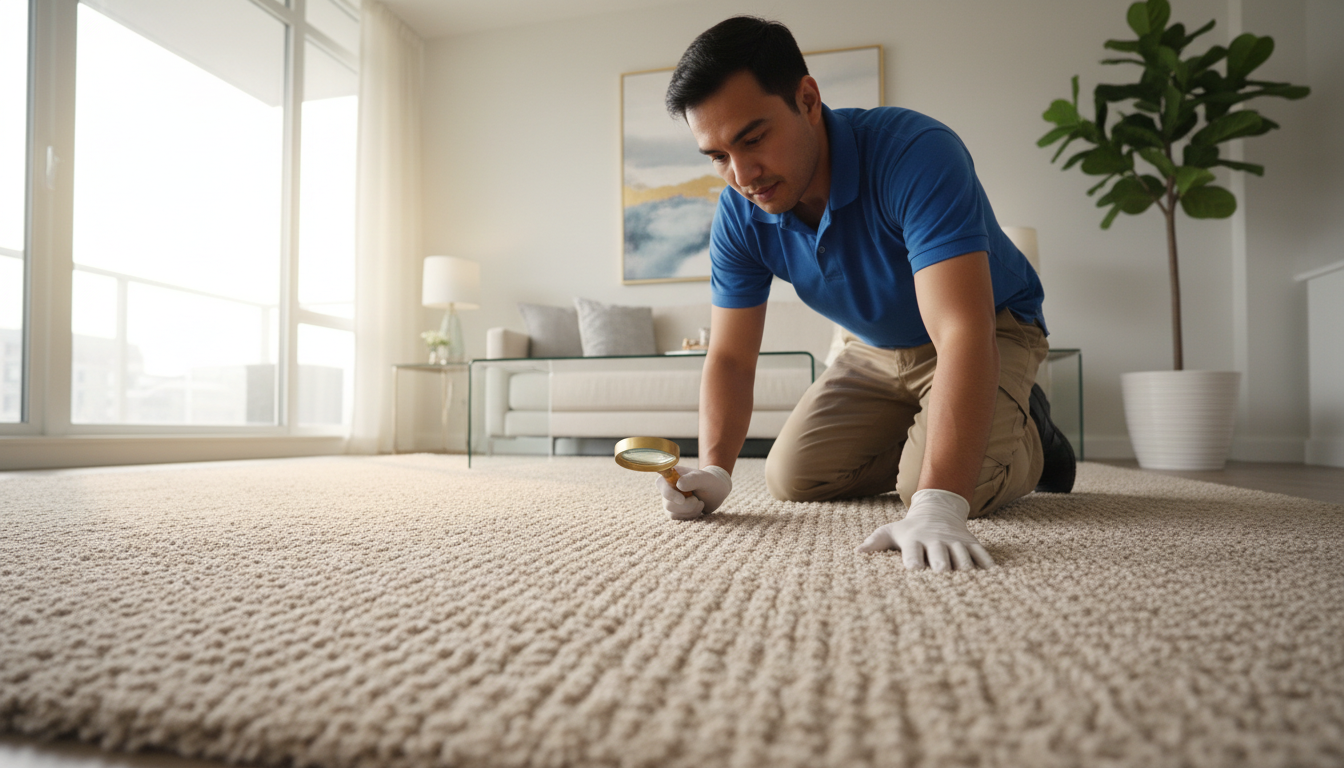
Monitoring for microbial growth requires more than a visual inspection. Implement a regular lift and sniff test: once a week, peel back one corner of the rug to inspect the flooring and the rug's backing. A faint musty odor or a slight clamminess to the touch indicates that the moisture level has exceeded the wool's natural ability to regulate itself. If the cotton foundation feels stiff or shows dark spotting, mould is likely already establishing a colony.
Homeowners often ask what is the best rug material for humid climates. Wool remains the superior choice due to its natural lanolin and breathable structure, which resist moisture better than synthetic alternatives like viscose or polyester. However, wool is not immune to the sustained high humidity found in London winters. It requires professional carpet and rug cleaning services to maintain its health. Our about our systematic process page explains how we use specialized drying and extraction techniques to ensure your rug remains a healthy part of your home environment, preventing the permanent structural damage that follows unchecked mildew growth.
The NanoDefence Advantage: Using Technology to Shield Delicate Fibers

While proactive home monitoring is essential for managing moisture, achieving lasting wool rug winter care London damp protection requires a sophisticated barrier that goes beyond manual extraction. Most off the shelf fabric protectors rely on heavy silicones or fluorocarbons that coat the surface of the fiber. These products often leave the rug feeling stiff, change the appearance of delicate dyes, and can seal the fiber so tightly that the wool can no longer breathe. In the humid London climate, this creates a dangerous situation where moisture is trapped inside the fiber, leading to the very rot discussed in previous sections.
NanoDefence utilizes nano-technology surface protection to solve this paradox. Unlike traditional guards, our nano-coatings operate at a molecular scale. The treatment bonds to each individual wool strand, creating a hydrophobic shield that repels water, oils, and the chemical laden grit tracked in from city streets. This ensures that a spilled glass of wine or a patch of damp slush beads up on the surface of the pile rather than saturating the absorbent cotton foundation.
Feature | Standard Fabric Guards | Nano-Technology Protection |
|---|---|---|
Application Level | Surface coating | Molecular bonding |
Breathability | Often restricted | Fully preserved |
Texture | Can feel stiff or "crunchy" | Undetectable hand-feel |
Protection | Repels liquids temporarily | Long-term hydrophobic barrier |
Residue | Can attract soil over time | Does not attract soil |
For homeowners asking how to protect a wool rug without compromising its luxurious texture, this technology is the definitive answer. The nano-coating is entirely invisible and maintains the natural softness of the rug. Because the protection is applied as part of our professional carpet and rug cleaning services, we ensure the rug is thoroughly decontaminated before the shield is applied. This integrated approach, which you can read more about on the page about our systematic process, ensures your textiles remain breathable, allowing them to regulate indoor humidity while remaining impervious to permanent staining and structural rot.
Winter Cleaning Dos and Donts for London Homeowners
Maintaining the structural integrity of your textiles during the coldest months requires a disciplined approach to daily maintenance. Effective wool rug winter care London damp management relies on specific techniques that respect the delicate nature of natural protein fibers while addressing the unique contaminants of a city environment.
Practical Maintenance Guide
Action | Recommended Method | Why It Matters |
|---|---|---|
Vacuuming | Suction-only, with the grain | Prevents beater bars from snagging delicate hand-knotted fibers. |
Spot Cleaning | Blotting with a clean white cloth | Prevents friction-based heat and deep grit penetration. |
Chemicals | pH-neutral wool-safe solutions | Protects natural lanolin and prevents fiber brittleness. |
Placement | Rotate rug 180 degrees | Ensures even wear and moisture distribution near London radiators. |
When vacuuming, always work in the direction of the pile. You can determine this by running your hand across the surface; the direction that feels smooth and flat is the "downhill" grain. Using a vacuum with a rotating brush or beater bar is overly aggressive for Oriental pieces, as it can fray the wool and weaken the knots over time.
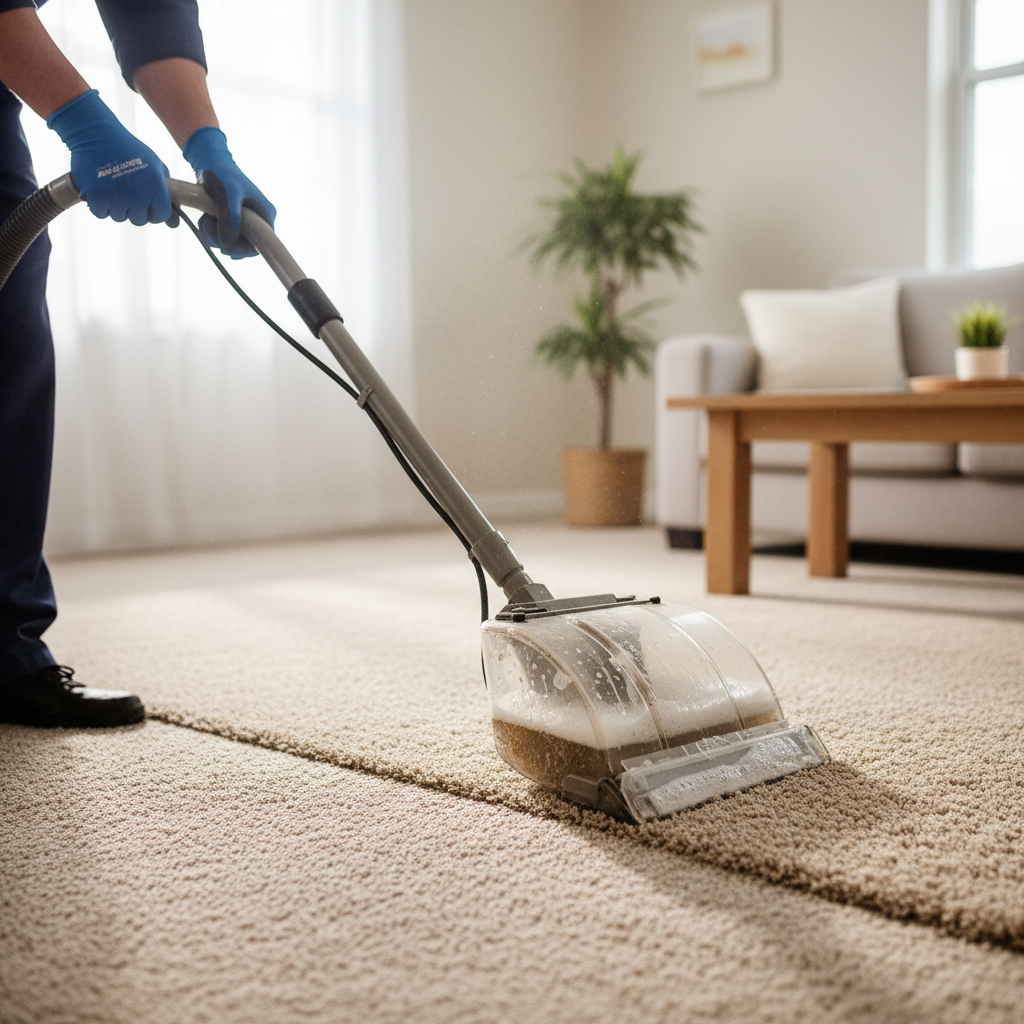
Avoid using "off-the-shelf" supermarket foams or powders. These products frequently possess a high pH level that can strip the natural lanolin from the wool, leaving it dry and susceptible to permanent staining. Furthermore, these residues are difficult to remove and often attract more soil. For deep-seated grit and festive spills that domestic equipment cannot reach, professional oriental rug cleaning London services are essential. Utilizing professional carpet and rug cleaning services allows for controlled deep extraction, ensuring that fine London particulates are removed without risking the structural rot associated with improper drying. To understand how we handle these high-value pieces, you can read more about our systematic process for fiber preservation.
Winter in London presents unique challenges for wool rugs, especially when damp air and high foot traffic are common. Keeping your textiles dry and addressing spills immediately will help preserve their beauty for years. While consistent home maintenance is the first line of defense, some delicate fibers benefit from advanced protective treatments. If you want expert help ensuring your rugs remain resilient, the team at NanoDefence is ready to assist. You can learn more about our approach to textile preservation and how we help homeowners maintain their investments through the coldest months.