
You should aim for professional servicing at least once every twelve months to ensure a hygienic home and preserve fabric quality. For households with pets or high traffic, determining how often should you get upholstery cleaned London typically results in a recommendation of every six months to remove allergens and deep-seated dirt.
Living in London means your furniture faces more than just standard wear and tear; it contends with a unique mix of urban pollutants and high traffic activity. Most generic advice suggests a professional cleaning once every twelve months, but for a London household, this standard often falls short of maintaining true hygiene and fabric integrity. Between the microscopic soot from the city air and the everyday spills of a busy home, your upholstery acts as a silent magnet for contaminants. This guide explores the specific factors that dictate your cleaning schedule, including environmental stressors and lifestyle demands. You will learn how to identify the subtle signs of soilage, why standard DIY methods often fail, and how advanced nanotechnology can extend the intervals between professional visits while preserving your investment.
Why the Universal Once a Year Rule Fails London Homeowners
Standard maintenance guides frequently cite the "once a year" rule as the gold standard for home care. While this provides a convenient baseline, it fails to account for the unique environmental and lifestyle pressures of the capital. For a homeowner in the quiet countryside, an annual deep clean might suffice. However, for a resident in a Zone 2 London flat, the sofa often functions as the primary hub for the home. It is where we work on laptops, eat dinner while streaming, and relax after a commute on the Tube.
When determining how often should you get upholstery cleaned London residents should look at "usage hours" rather than "calendar months." A sofa in a high-density urban environment experiences significantly higher friction and soil load than one in a suburban sitting room. The accumulation of body oils, skin cells, and city grime happens at an accelerated rate when a piece of furniture is occupied for six to eight hours a day.
Relying solely on a calendar date ignores the reality of urban wear and tear. If your upholstery is subjected to constant use, the structural integrity of the fibres begins to degrade long before the twelve-month mark. Professional intervention is required to extract these contaminants before they cause permanent damage. Learning about our nano-technology process can help you understand how to mitigate this wear, but the first step is acknowledging that a "one size fits all" schedule does not apply to the rigours of London living.
The London Pollution Factor: Invisible Soilage in the City
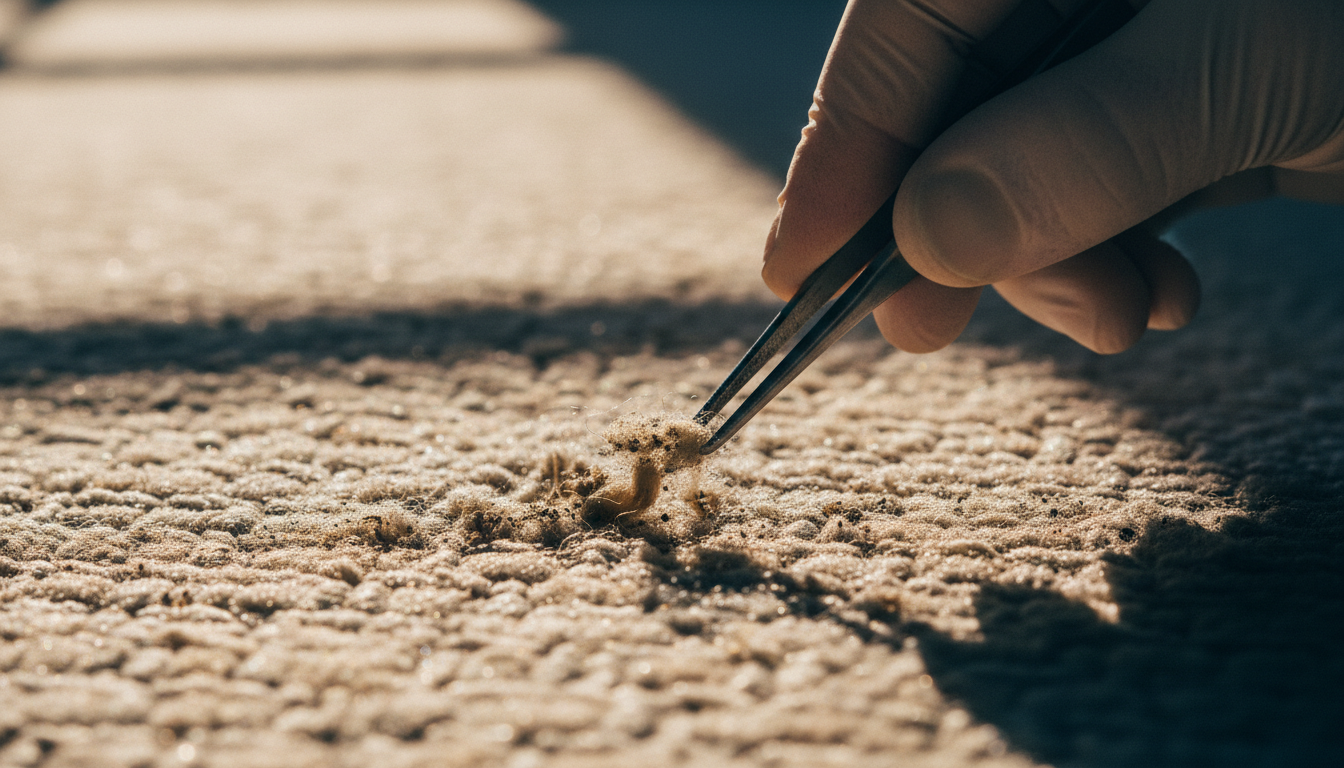
In London, the biggest threat to your furniture often arrives silently through an open window. Urban air carries a heavy load of particulate matter, including carbon soot from heavy traffic and fine metallic dust generated by the Underground network. While you may notice a film of grey dust on your windowsills, the same pollutants are settling deep into the weave of your cushions.
These microscopic particles are sharp and abrasive. When you sit or move on your sofa, these contaminants are pressed against the delicate fabric strands. This creates a mechanical sandpaper effect that physically shears away the structural integrity of the fibres from the inside out. When considering how often should you get upholstery cleaned London homeowners must factor in their proximity to major infrastructure. For residents living near high-capacity routes like the A1, the North Circular, or the South Circular, this atmospheric loading is significantly higher. In these high-pollution corridors, professional upholstery cleaning services are often required every six months to prevent permanent fibre thinning and dulling.
Conversely, a property on a secluded residential street might experience a slower build-up. However, the sheer density of the capital means no interior is entirely immune to the ingress of city grime. Unlike common household dust, which is largely organic, London’s external pollutants are often oily and chemically complex. They bond to fabrics differently and require specific extraction methods. Learning about our nano-technology process reveals how we address these microscopic threats; however, the priority remains removing these abrasive elements before they compromise the textile. Invisible soilage is frequently more destructive than visible spills.
Frequency Guide: How Often for Your Specific London Lifestyle?
Because urban living varies wildly across the boroughs, a single recommendation for how often should you get upholstery cleaned London residents can rely on is insufficient. Frequency depends entirely on the specific stressors your home faces and the density of occupation.
1. The Young Professional or Couple For those residing in modern developments with minimal pets or children, a professional deep clean every 12 to 18 months is typically effective. While the usage hours are concentrated in the evenings and weekends, the primary concern is the slow accumulation of atmospheric pollution and body oils. Regular vacuuming helps, but the fine dust characteristic of London flats eventually dulls the fabric's lustre. In these environments, the goal is often preventative maintenance to ensure designer pieces do not reach a state of visible neglect.
2. The Busy Family (Hampstead to Greenwich) Homes with high traffic, children, and pets require a more rigorous schedule, ideally every 6 months. The combination of snacks on the sofa, organic spills, and muddy paws after walks in Richmond Park or Greenwich Park creates a complex soil load. In these households, the focus shifts from appearance to hygiene. Bacteria, skin cells, and allergens trapped in the upholstery can impact indoor air quality, making frequent extraction necessary to maintain a healthy environment for the family.
3. The Short-term Rental or Airbnb Host High-turnover properties demand a quarterly refresh. With guests arriving frequently, the upholstery faces diverse usage patterns and potential hygiene risks. Maintaining a five-star cleanliness rating requires proactive care rather than reactive spot cleaning. Utilizing professional upholstery cleaning services ensures that the furniture remains sanitary and visually appealing for every new arrival, protecting the property's reputation and asset value.
Lifestyle Persona | Typical Usage | Recommended Frequency |
|---|---|---|
Young Professional | Low to Moderate | 12-18 Months |
Busy Family | High / Pets / Kids | 6 Months |
Short-term Rental | Very High / Commercial | 3 Months (Quarterly) |
It is vital to distinguish between hygiene and appearance. A sofa may look acceptable to the naked eye while harbouring a high concentration of microbial growth and particulate matter. Learning more about our nano-technology process illustrates how we address these invisible issues, but scheduled intervention remains the foundation of fabric longevity in the capital.
5 Signs Your Sofa Needs Professional Cleaning Now
Waiting for a major spill is a common mistake when deciding how often should you get upholstery cleaned London residents often find that gradual degradation is more damaging than a single accident. Use these five indicators to assess your furniture’s current condition.
The Dust Cloud Test: Strike a cushion firmly while sunlight streams through the window. A visible plume of particles indicates that the fabric and internal foam are saturated with the abrasive urban particulates mentioned previously.
Persistent Odours: Upholstery in dense urban areas acts as a sponge for cooking oils, pet dander, and environmental dampness. If you notice a stale smell that lingers even after ventilating the room, deep extraction is necessary.
Allergic Sensitivity: Unexplained sneezing, itchy eyes, or skin irritation when sitting on the sofa suggests a high concentration of dust mites and microscopic city pollutants trapped within the weave.
The 2/3 Rule: Observe the armrests and headrests for visible darkening. Since we generally occupy only two-thirds of the seating area, a distinct contrast develops between high-contact zones and the original fabric colour. This darkening is a mixture of skin oils and fine soot.
Textural Changes: Fabric that feels stiff, tacky, or brittle to the touch has likely bonded with body oils and household grime, creating a film that regular vacuuming cannot remove.
If your furniture shows these signs, professional upholstery cleaning services are required to restore the material integrity. You can also learn about our nano-technology process to see how we prevent these contaminants from bonding in the future.
Understanding Upholstery Cleaning Codes: Why DIY is Risky
Before attempting a spot clean after noticing signs of wear, you must identify the manufacturer's care tag. This small label is the final barrier between a successful refresh and a permanent, costly mistake. In London’s high-end interiors, where wool blends and velvets are common, ignoring these codes is particularly risky. Determining how often should you get upholstery cleaned London residents should first consult these industry standard indicators.
Cleaning Code | Meaning | Recommended Action |
|---|---|---|
W | Water-based | Use water-based cleaners only. |
S | Solvent | Dry clean only; water will cause permanent ringing. |
WS / SW | Either | Safe for water-based or solvent cleaners. |
X | Vacuum Only | Professional cleaning required; extremely delicate. |
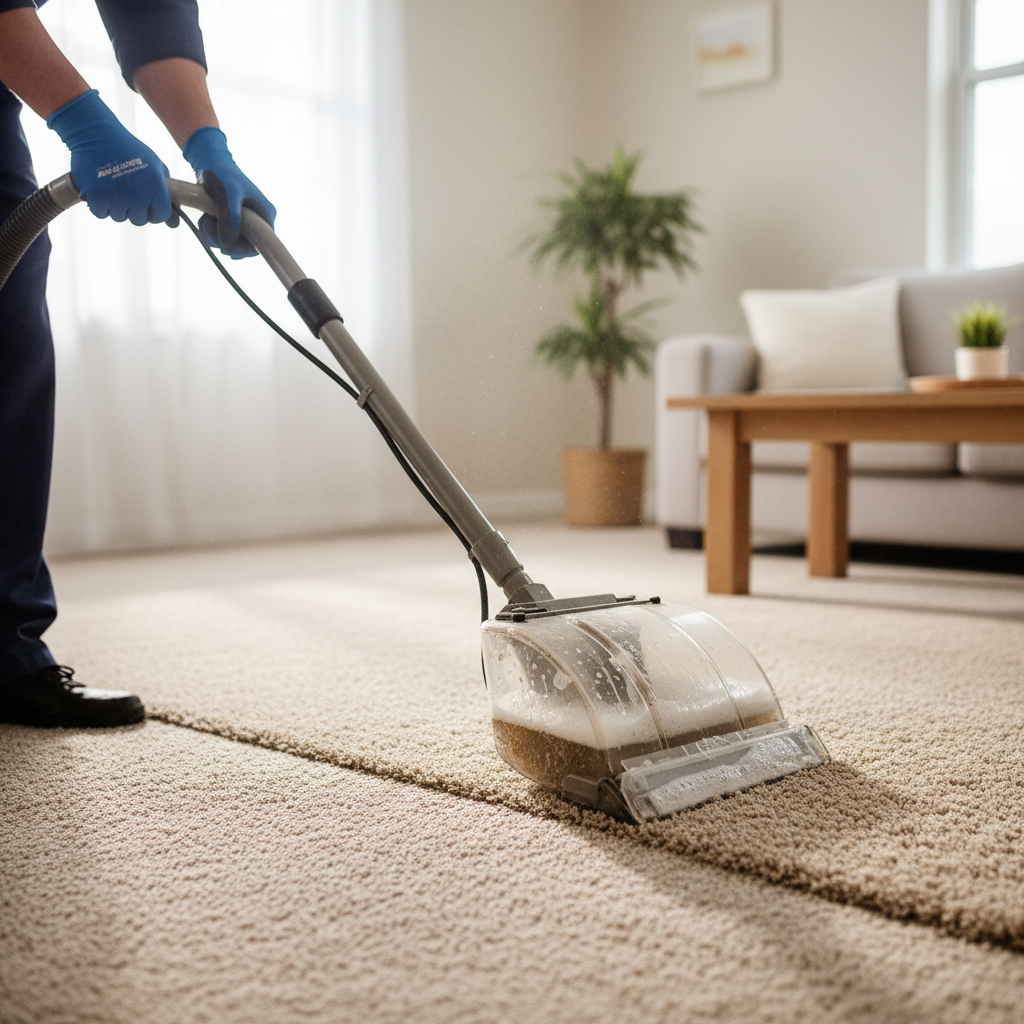
Many homeowners believe that natural solutions like vinegar or household detergents are universal fixes. However, these substances can drastically shift the pH balance of natural fibres. An incorrect pH level leads to dye migration, known as bleeding, or permanent browning in wool. Furthermore, DIY surface scrubbing frequently fails to remove the deep-seated London soot mentioned earlier. Instead, it pushes the grit deeper into the cushion core while leaving a sticky soap residue that attracts new dirt. Professional upholstery cleaning services utilize high-pressure extraction to remove contaminants entirely, rather than just rearranging them. You can learn more about our nano-technology process to see how we treat these specific textile requirements with precision.
How Nano Technology Surface Protection Changes the Schedule

Standard extraction removes existing contaminants, but it leaves the fabric vulnerable to the next wave of London soot and skin oils. This is where nano-technology surface protection fundamentally redefines the maintenance cycle. Instead of waiting for dirt to embed itself deep within the weave, this treatment creates an invisible, hydrophobic barrier at the molecular level. It prevents pollutants from bonding to the fibres in the first place.
When you learn about our nano-technology process, you see how it directly impacts your long-term schedule. By keeping dry soil on the surface, your weekly vacuuming becomes roughly 90 percent more effective. The abrasive particles that usually act like sandpaper are easily removed before they can migrate into the cushion core. For residents who host frequently, the most immediate benefit is the liquid beading effect. Spilled red wine or hot tea sits on top of the fabric rather than soaking in, allowing for a simple, stress-free cleanup with a clean cloth.
Because the fabric remains cleaner for longer, the required interval for professional upholstery cleaning services can often be extended beyond the standard recommendations. While it does not eliminate the need for deep extraction, it ensures that when you do evaluate how often should you get upholstery cleaned London professionals will find a piece of furniture that has resisted the permanent staining and fibre degradation typical of unprotected urban homes.
Is Professional Upholstery Cleaning Worth It in London?
Investing in high-end furniture from iconic London retailers like Heal’s or West Elm is a significant financial commitment, with designer sofas often costing upwards of £2,000. In this context, the price of professional upholstery cleaning services, which typically ranges from £60 to £150 depending on the item size, represents essential asset management. Maintaining the original condition of these pieces is far more cost-effective than premature replacement due to neglected fabric.
Professional extraction provides a level of soil removal that domestic machines simply cannot achieve. While a rental machine might refresh the surface, it lacks the industrial suction and regulated heat necessary to pull microscopic soot from deep within the cushion core. When calculating how often should you get upholstery cleaned London residents must factor in this preservation of value. By removing abrasive particulates and applying about our nano-technology process, you are not just cleaning a piece of furniture; you are extending its lifespan by several years, ensuring your investment remains a centerpiece of the home rather than a candidate for the landfill.
Maintaining fresh upholstery in a busy city like London requires a proactive approach to combat pollution and daily wear. While routine maintenance helps, professional attention ensures your furniture remains vibrant and hygienic for years to come. If you want expert help keeping your interior in top condition, our team is ready to assist. You can learn more About our commitment to quality care and how we help residents protect their investments through specialized cleaning solutions designed for modern London living.