Professional pet stain and odour removal London utilizes advanced nano technology and enzymatic cleaners to break down biological contaminants at the molecular level, providing a more thorough solution than standard DIY methods. Expert services effectively eliminate deep-seated urine crystals and persistent smells using specialized equipment; this ensures a hygienic home environment that simple surface cleaning cannot achieve.
Living with pets in the heart of London often means navigating the persistent, invisible cycle of organic stains and odors trapped within premium flooring and upholstery. Despite your best efforts with retail cleaners, that faint scent of ammonia or damp fur frequently lingers, intensifying as the city’s humidity fluctuates. This matters because standard scrubbing typically only addresses the surface, often driving proteins and bacteria deeper into the textile backing where they continue to off-gas. In a high-density urban environment, maintaining a truly sterile and fresh home requires more than just masking scents; it demands a scientific approach to fiber care. In this article, we analyze why common DIY tactics fail, the specific dangers of domestic carpet machines, and how NanoDefence utilizes molecular technology to break the odour cycle permanently, ensuring your London residence remains a pristine sanctuary.
The London Pet Owner Struggle: Hair, Dander, and the Invisible Odour Cycle
Living with pets in London presents a unique set of challenges for maintaining a pristine home environment. From the Victorian terraces of Chelsea to compact modern apartments in Canary Wharf, the proximity of living quarters means that pet related issues become concentrated. While the bond with a four legged companion is invaluable, the persistent scent of dog or the sharp tang of cat urine can quickly dominate a space. The difficulty lies in the fact that what you see is only a fraction of the problem.
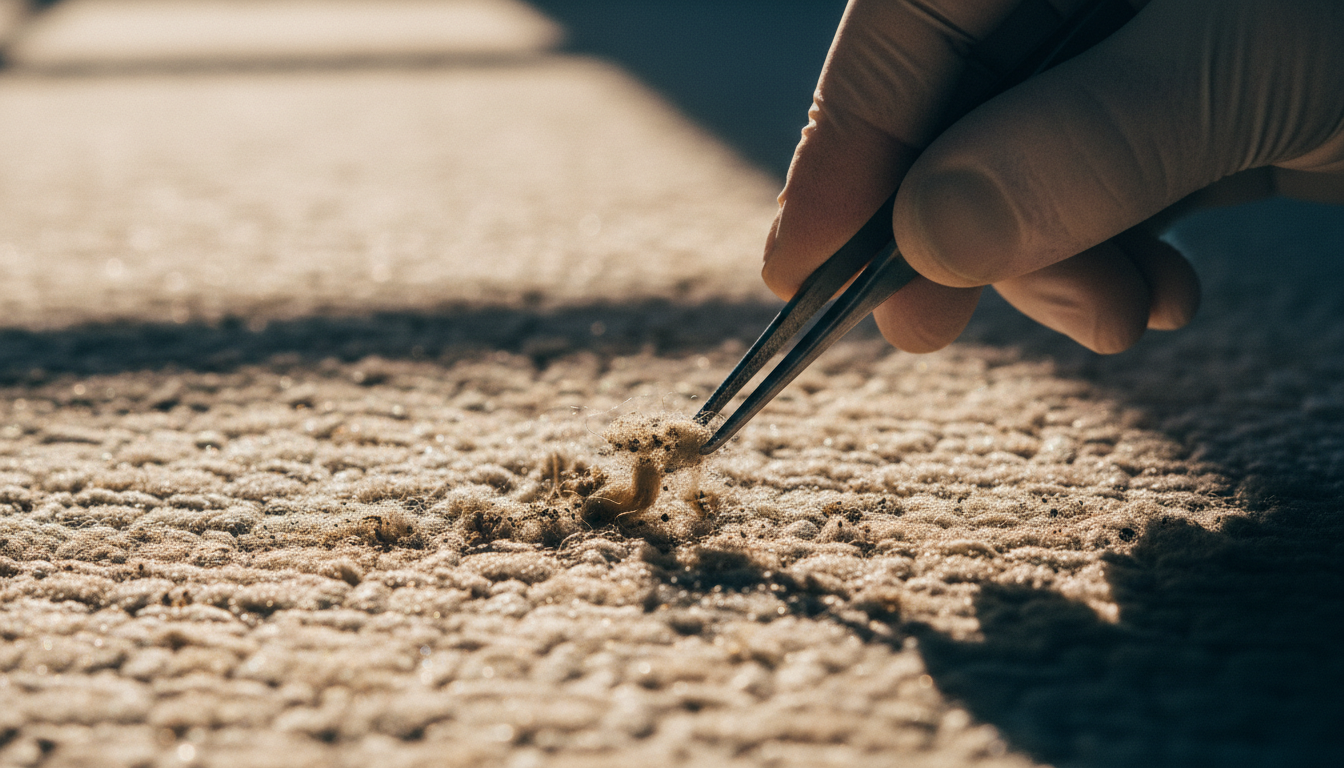
Standard vacuuming addresses surface hair, which is the most visible sign of a pet. However, the true culprits behind lingering smells are microscopic. Dander, skin cells, and dried saliva particles do not remain on the surface; they migrate deep into the carpet fibres and eventually settle into the primary and secondary backing. Once these organic materials are trapped, they enter an invisible odour cycle that is incredibly difficult to break without professional intervention.
London's climate plays a significant role in this process. The city's characteristic humidity can reactivate dried organic salts within the carpet pile, making smells more pungent on damp days. In many older properties, poor airflow prevents these trapped particles from ever truly drying out or dispersing. Relying on professional carpet, rug, and upholstery cleaning services is often the only way to reach these submerged layers. Effective pet stain and odour removal London requires more than just removing what is visible; it requires a deep understanding of how these microscopic particles interact with your home's unique environment.
Pet Stain First Aid: Essential DIY Steps for Immediate Accidents
When a pet accident occurs on a wool rug in a Kensington flat or a synthetic carpet in a Greenwich office, the first sixty seconds are critical. The objective is containment and extraction, not dispersion. The most common mistake London homeowners make is reaching for a scrubbing brush. Vigorous scrubbing physically damages the carpet pile, fraying the fibres and forcing the liquid deeper into the primary backing where it becomes inaccessible to standard cleaning methods.
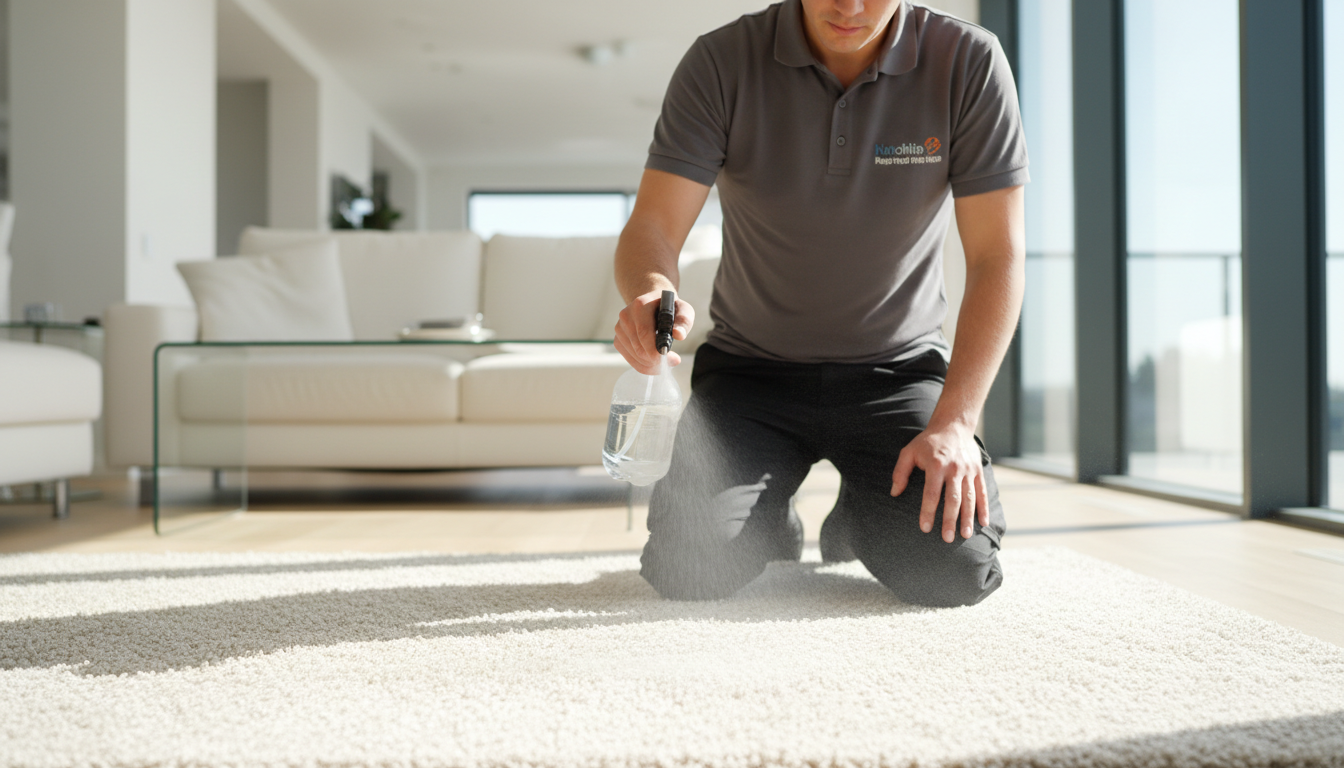
Instead, adopt a strict blotting protocol. Use plain white paper towels or a clean white microfibre cloth to avoid dye transfer from coloured rags. Place the towel over the spill and apply firm, downward pressure. Change the towel frequently, continuing until no more moisture transfers from the carpet. This mechanical removal is the most effective way to prevent the liquid from reaching the underlay, which is the primary site for long-term odour issues.
For light, fresh stains, a mild solution of one part white vinegar to one part cool water can be applied sparingly. The acidity of the vinegar helps to neutralise the alkaline nature of fresh urine salts. However, this is strictly a first aid measure. You must avoid generic supermarket carpet cleaners or oxygen-based sprays found in high street shops. Many of these products contain high pH chemicals or hidden bleaching agents. While they may appear to remove the colour initially, they often react with the carpet dyes or the proteins in the stain to set it permanently; this makes subsequent professional pet stain and odour removal London significantly more difficult, if not impossible.
Treat these DIY steps as damage control rather than a solution. They manage the surface level visibility but do not address the organic matter that has already begun to seep into the lower layers of the flooring. To ensure the structural integrity of your carpet and the total removal of uric acid, you should contact NanoDefence for a quote for a professional extraction following any significant accident.
Why Do Pet Odours Return After the Carpet Dries?
A common frustration for London pet owners is the phantom odour that reappears days or even weeks after a thorough DIY cleaning. You may have successfully removed the visible mark, yet the scent returns with renewed intensity. This phenomenon is largely due to the chemical composition of pet urine and a physical process known as wicking. When urine enters a carpet, it does not remain in the upper fibres; it travels downward into the primary backing and the absorbent underlay. As the liquid dries, it leaves behind concentrated uric acid crystals. These crystals are insoluble and remain dormant until they are reactivated by moisture.
When you apply water or retail cleaning solutions to the surface, you are effectively re-hydrating these dried salts. As the carpet begins its drying cycle, moisture moves from the bottom of the pile toward the tips of the fibres to evaporate. This upward capillary action, or wicking, carries the dissolved organic matter and odours back to the surface. The result is a recurring ghost stain or a lingering scent that seems impossible to shift, particularly in the humid environments of older London properties.
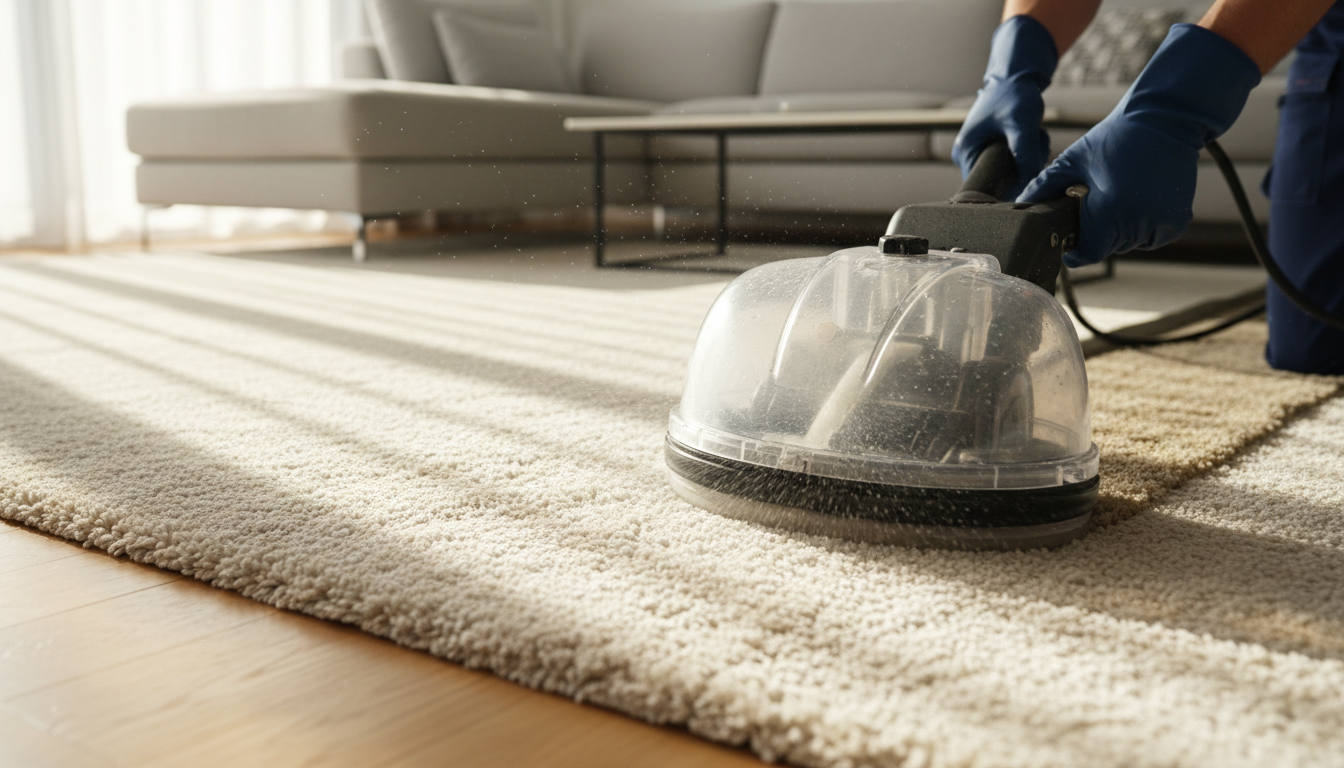
Professional deep extraction differs fundamentally from DIY surface cleaning. Rather than merely wetting the pile, professional carpet, rug, and upholstery cleaning services use industrial grade vacuum pressure and controlled heat to flush these contaminants out of the sub-layers. By removing the source of the uric acid crystals rather than just re-liquefying them, the cycle of wicking is broken. For residents in densely populated areas of the city, where indoor air quality is paramount, ensuring the complete removal of these deep-seated organic salts is the only way to achieve true pet stain and odour removal London.
The Danger of DIY Carpet Cleaning Machines for Pet Owners
Many homeowners attempt to resolve the wicking issue by hiring high street rental machines or purchasing domestic carpet cleaners. While these machines seem cost-effective, they often exacerbate the problem for pet owners. The primary engineering limitation of these units is insufficient suction power. They are designed to pump large volumes of water and detergent into the carpet, but they lack the industrial vacuum lift required to extract that moisture from the deep fibres and underlay.
In London properties, this excess moisture is particularly hazardous. Many older Victorian terraces or converted flats in areas like Islington or Fulham suffer from restricted airflow and poor natural ventilation. When a carpet remains damp for more than 24 hours, it becomes a breeding ground for mould and microbial growth. For a pet owner, this results in a pungent, sour smell that is often more offensive than the original accident. This lingering dampness also reactivates the very uric acid crystals you were trying to remove, effectively cementing the odour into the pile.
Furthermore, domestic machines typically use generic, high-foaming detergents that leave a sticky residue behind. This residue acts like a magnet for new pet hair and dander, leading to rapid re-soiling. To achieve true pet stain and odour removal London, the equipment must be capable of near-total moisture extraction. Relying on underpowered equipment often forces homeowners to eventually contact NanoDefence for a quote to rectify the water damage and persistent smells caused by DIY attempts. Choosing professional carpet, rug, and upholstery cleaning services ensures the drying time is minimised, protecting the structural integrity of your flooring.
How NanoDefence Breaks the Cycle: The Science of Nano Protection
To move beyond the limitations of standard extraction and stop the cycle of wicking, NanoDefence employs a sophisticated chemical engineering approach. While traditional cleaning aims to react to accidents, our systematic process focuses on proactive prevention through advanced nano-technology. This is not a topical silicone spray that sits on the surface of the pile; rather, it is a treatment that creates a durable molecular bond with every individual fibre. By altering the surface tension at a microscopic level, we create a hydrophobic barrier that fundamentally changes how your flooring interacts with liquids.
When an accident occurs in a protected home, the nano-coating prevents the liquid from penetrating the fibre's core or seeping through to the primary backing. Instead of being absorbed and trapped, urine or spilled water beads up on the surface. This makes the 'first aid' blotting process described earlier significantly more effective, as the organic material remains accessible on the surface rather than disappearing into the underlay. For a pet owner, this means the difference between a simple cleanup and a permanent odour problem.
Feature | Standard Protection | NanoDefence Technology |
|---|---|---|
Mechanism | Surface film/coating | Molecular fibre bonding |
Breathability | Can be restricted | Fully breathable |
Durability | Wears off with foot traffic | Long-lasting resistance |
Liquid Action | Delayed absorption | Immediate hydrophobic beading |
This level of protection is particularly vital for high traffic London homes where pets move between compact living areas and bedrooms. By ensuring that proteins and uric acid crystals cannot anchor themselves into the carpet structure, we extend the life of your flooring and maintain a healthier indoor environment. To integrate this preventative science into your maintenance routine, you can contact NanoDefence for a quote and experience a higher standard of pet stain and odour removal London. This proactive layer is the final, essential step in our professional carpet, rug, and upholstery cleaning services, ensuring that your home remains resilient against the inevitable challenges of living with pets.
Professional Pet Stain and Odour Removal London: Our Systematic Process
The NanoDefence systematic process begins with a comprehensive site inspection to identify the specific fibre composition and the extent of the contamination. From the ornate wool rugs in Victorian terraces in Fulham to the heavy-use synthetic carpets of modern offices in Canary Wharf, we adapt our chemistry to the specific environment. Our technicians utilise specialised enzyme-based neutralisers during the pre-treatment phase. Unlike standard detergents, these bio-enzymatic agents act as catalysts, physically breaking down the complex uric acid molecules and proteins into simple, water-soluble components that can be fully removed.
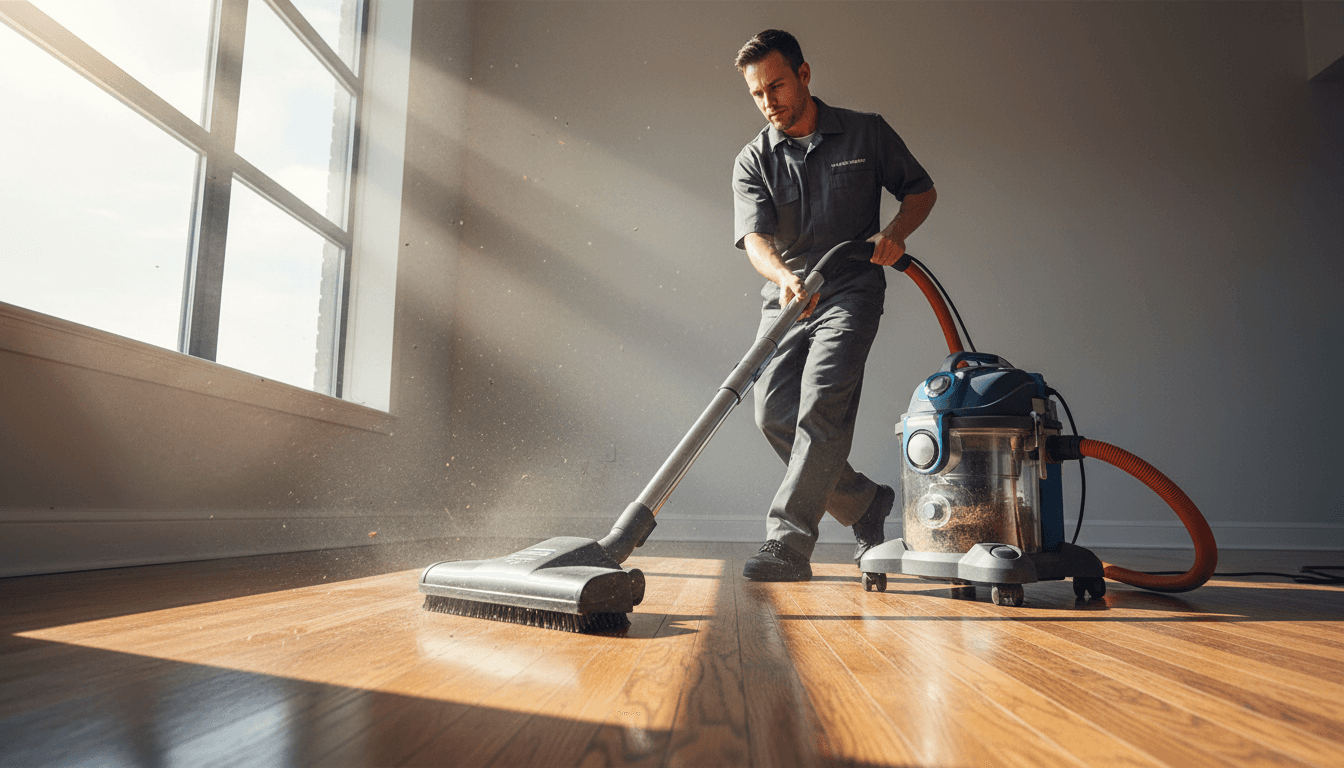
Following pre-treatment, we employ high-pressure hot water extraction. This industrial-grade equipment flushes the loosened organic matter from the primary backing while providing the powerful vacuum lift necessary to ensure minimal drying times, a critical factor in the London climate. The final stage is the application of our nano-protection coating, which seals the fibres at a molecular level to prevent future wicking. This structured approach to pet stain and odour removal London ensures that the underlying cause of the scent is eradicated rather than masked. For property managers and homeowners seeking a lasting solution, you can contact NanoDefence for a quote to book our professional carpet, rug, and upholstery cleaning services.
Mastering pet stains requires more than just masking smells; it demands a scientific approach that targets odours at their source. While DIY efforts often fall short, nanotechnology provides a permanent solution for a cleaner London home. If you want expert help to eliminate stubborn spots and deep-seated scents, our specialists are here to provide professional support. You can read more about our innovative methods and how we use advanced technology to restore your property to its original, pristine condition.