
Effective carpet stain removal London begins with immediate blotting to lift residue without damaging fibers; common summer spills like grass or mud can often be treated with baking soda or a vinegar and dish soap solution. For more persistent issues such as oily sunscreen or deep food pigments, hiring a professional service ensures the carpet is restored safely without the risks associated with improper DIY techniques.
London’s vibrant summer season often leaves a permanent mark on high-end interiors, particularly through the frequent foot traffic and accidental spills associated with seasonal entertaining. A single glass of red wine or a muddy footprint can quickly transition from a minor inconvenience to a permanent blemish if handled incorrectly. Maintaining the pristine condition of your flooring requires more than just reactive cleaning; it demands a precise, scientific approach to fiber care. In this guide, we outline the professional standards for carpet stain removal London homeowners need to master. We will examine the physics of blotting, provide protocols for common summer contaminants, and identify the exact moment DIY efforts should be replaced by professional expertise. Finally, we discuss how advanced nano-technology serves as the ultimate preventive measure for modern residences.
Why Summer is the Hardest Season for London Carpets
London summers bring a unique set of challenges to interior maintenance that often go unnoticed until a permanent mark appears. While garden parties in Wandsworth and weekend afternoons at the local park define the social season, they also introduce a constant stream of contaminants into the home. Open sash windows, intended to catch a rare breeze, often allow fine city dust and urban particulates to settle deep within carpet piles. Children and pets frequently trail in organic mud and grass pigments from London's many green spaces, which can quickly bond to textile fibres.
The environmental conditions in the capital play a significant role in how stains behave. London's higher summer humidity levels prevent liquid spills from evaporating quickly. Instead, the moisture lingers, allowing pigments from Pimm's, BBQ sauces, or fruit juices to seep deeper into the carpet backing before they can be addressed. This accelerated absorption makes DIY efforts particularly difficult during the warmer months.
As the local specialists in professional carpet stain removal London homeowners trust, NanoDefence understands the chemistry behind these seasonal threats. You can learn more about our systematic process which is designed to handle the specific grit and grime unique to the city's summer months. We provide the expert nano-technology surface protection and deep extraction required to keep high-traffic residential and commercial spaces pristine throughout the busiest social season.
The Golden Rule: Blotting versus Scrubbing
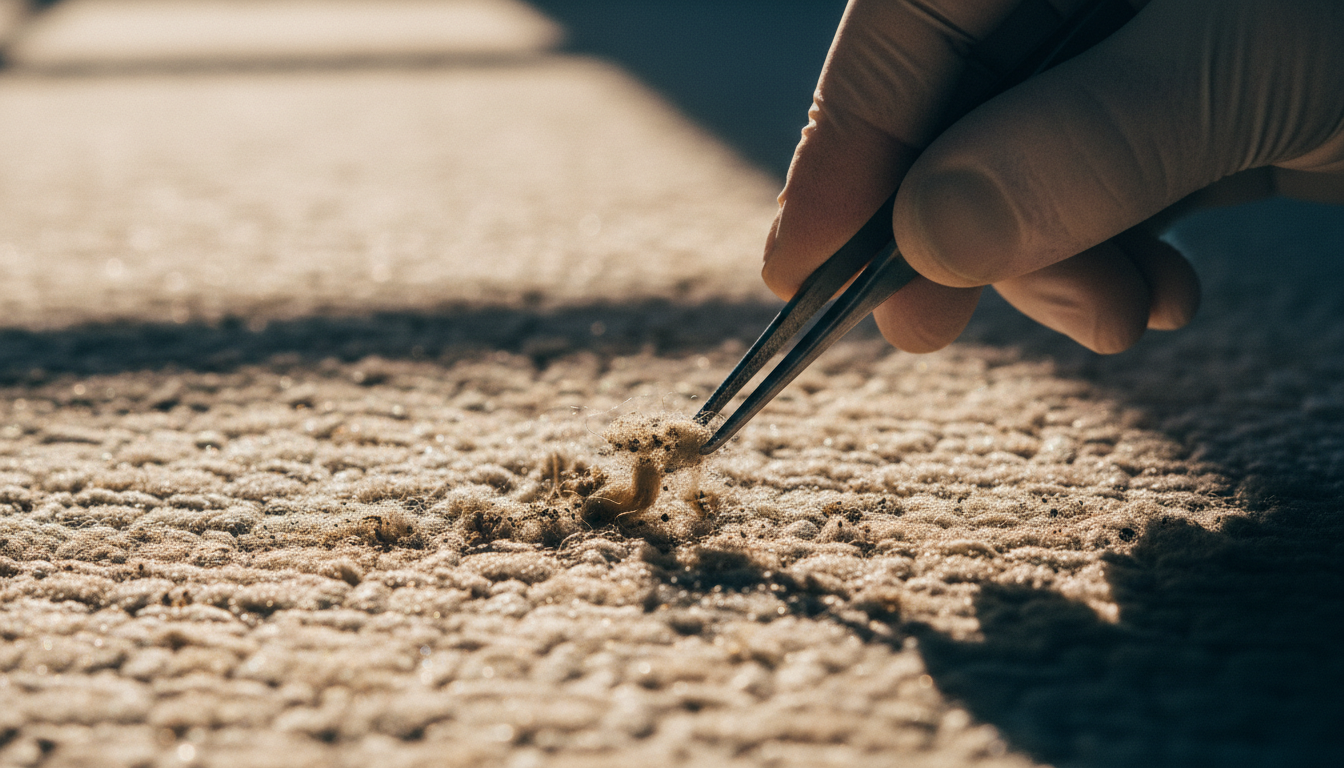
When a spill occurs on a high-quality wool rug or synthetic carpet, the immediate human instinct is to grab a cloth and scrub vigorously. This reaction is the single most common cause of permanent damage in London homes. From a physics perspective, scrubbing creates intense friction and heat at the point of contact. This heat can physically 'set' pigments like those found in red wine or coffee, while the mechanical agitation destroys the structural integrity of the carpet pile. Once the factory twist of the fibre is frayed or fuzzed, the damage is irreversible; the texture will never again catch the light in a uniform way.
Professional blotting is a controlled process designed to facilitate the transfer of the contaminant from the carpet to an absorbent medium without spreading the liquid. While many seek the most powerful carpet stain remover in a spray bottle, the reality is that technique is often more influential than the chemical itself. A professional approach involves using a clean, white microfibre or cotton towel, applying significant vertical pressure, and working from the outside of the spill inward to prevent the stain from 'blossoming.'
Unlike frantic DIY attempts that often drive the liquid deeper into the backing, our about our systematic process focuses on lifting the substance away from the floor. Aggressive DIY scrubbing not only risks permanent fibre distortion but can also void manufacturer warranties which require professional care. For delicate or high-value installations, relying on professional carpet stain removal London experts ensures that the extraction is performed using calibrated pressure rather than destructive force.
Tackling the Top 4 Summer Spills
Applying the correct technique to the specific chemical profile of a spill is the first step toward successful extraction. Common summer carpet stains how to remove them effectively depends entirely on whether you are dealing with organic pigments, oils, or proteins. At NanoDefence, our about our systematic process accounts for these differences to prevent permanent fibre damage.
Grass and Mud (Organic Pigments)
London's parks and private gardens are prime sources of mud and grass stains during the warmer months. Mud should always be allowed to dry completely before intervention. Attempting to clean wet mud often results in spreading the silt across a larger surface area or pushing it deeper into the carpet backing. Once dry, use the suction-only attachment of a vacuum to lift the solids without grinding them into the pile.
First Response: For grass stains, which act as a natural dye, blot with cool water immediately. If the green pigment remains, a solution of two teaspoons of neutral dish soap mixed with warm water can be used to gently blot the area. This helps break down the chlorophyll before it bonds with the textile.
BBQ Sauce and Pimm's (Sugars and Tannins)
Barbecue sauces and summer cocktails like Pimm's contain a mix of sugars, vinegars, and tannins. These substances are particularly dangerous because they can become sticky and attract secondary soil if not fully removed. Heat is the enemy here; never use hot water, as it can caramelize the sugars and permanently set the tannin dyes.
First Response: For liquid spills like Pimm's, blot with a dry white cloth to absorb as much moisture as possible. For BBQ sauce, use a dull spoon to scrape away excess solids from the outside in before blotting with lukewarm water. This prevents the sauce from spreading further into the surrounding fibres.
Sunscreen and Ice Cream (Oils and Proteins)
Sunscreen and ice cream are high in oils and proteins, making them resistant to simple water-based cleaning. Sunscreen, in particular, is hydrophobic. Water will simply bead off the oily residue, leaving the stain untouched. This requires a surfactant to break the surface tension of the oils.
First Response: For sunscreen, apply a single drop of clear, grease-cutting dish soap to a damp cloth and blot the area. The surfactant in the soap encapsulates the oil molecules so they can be lifted away. For ice cream, use lukewarm water and a clean towel, taking care not to use hot water which can "cook" the proteins and bind them to the carpet.
Pollen and Dust
High pollen counts and urban dust from open windows can settle into the carpet, often leaving yellow or greyish streaks. Lily pollen is especially potent, containing a strong natural dye that bleeds upon contact with moisture.
First Response: Never touch or wipe pollen with your hands or a wet cloth. This will immediately stain the carpet. Instead, use a vacuum hose held slightly above the pile to lift the grains away. If a stain remains, professional carpet stain removal London experts should be called to use dry-solvent extraction, as household liquids will likely make the mark permanent.
The Red Wine Emergency: A London Dinner Party Staple
While the grit of the city and seasonal pollen are persistent issues, a spilled glass of red wine during a London dinner party represents a more immediate crisis. The most frequent question we encounter is whether professional carpet cleaners can remove red wine. The answer is usually yes, provided the fibres have not been subjected to aggressive DIY chemicals or heat first. Red wine contains tannins, which are organic compounds that function as natural dyes. These molecules bond quickly to natural fibres like wool; this makes time the most critical factor in successful extraction.
Avoid the common myth of pouring salt on the spill. While salt absorbs some moisture, it is highly abrasive. The sharp crystals can scratch and weaken carpet fibres when you eventually try to vacuum them up. Furthermore, salt does nothing to neutralise the pigment itself. For an immediate response, use a clean white cloth and lukewarm water to blot as much liquid as possible. Avoid hot water, which can permanently set the tannin dye into the textile.
For high-value London rugs and wall-to-wall installations, professional carpet stain removal London is the only reliable method to ensure the pigment is pulled from the base of the pile. Our about our systematic process utilizes targeted neutralising agents and deep extraction to lift the stain without leaving a sticky residue. This professional approach prevents the 'shadow' or ghosting effect that often reappears days after a manual cleaning attempt.
Using Baking Soda: When it Helps and When it Hurts
Many London homeowners look to their kitchen cupboards for a quick fix, often researching how to remove carpet stains with baking soda when a spill occurs. As an alkaline powder, baking soda acts as a functional absorbent for moisture and organic odours. This makes it a common recommendation for treating minor pet accidents or small, fresh liquid spills where neutralising a scent is the immediate priority. However, the application of dry powder to a wet stain requires careful management to avoid unintended long-term damage to the carpet structure.
The primary risk involves the formation of a dense, crystalline crust. When baking soda reacts with liquid, it creates a fine paste that sinks into the base of the carpet pile. Standard domestic vacuum cleaners typically lack the industrial lift and airflow required to extract these microscopic particles once they have settled deep within the backing. Over time, this residue becomes abrasive and begins to attract urban dust and soil. This accumulation is what frequently causes the reappearing brown stains that residents notice weeks after an initial cleaning attempt. While baking soda is a helpful first response for moisture control, it often leaves behind a chemical footprint that only professional carpet stain removal London experts can fully eliminate. Relying on about our systematic process ensures that no powdery residue remains to compromise the integrity of your flooring.
When DIY Reaches Its Limit: Calling the Professionals
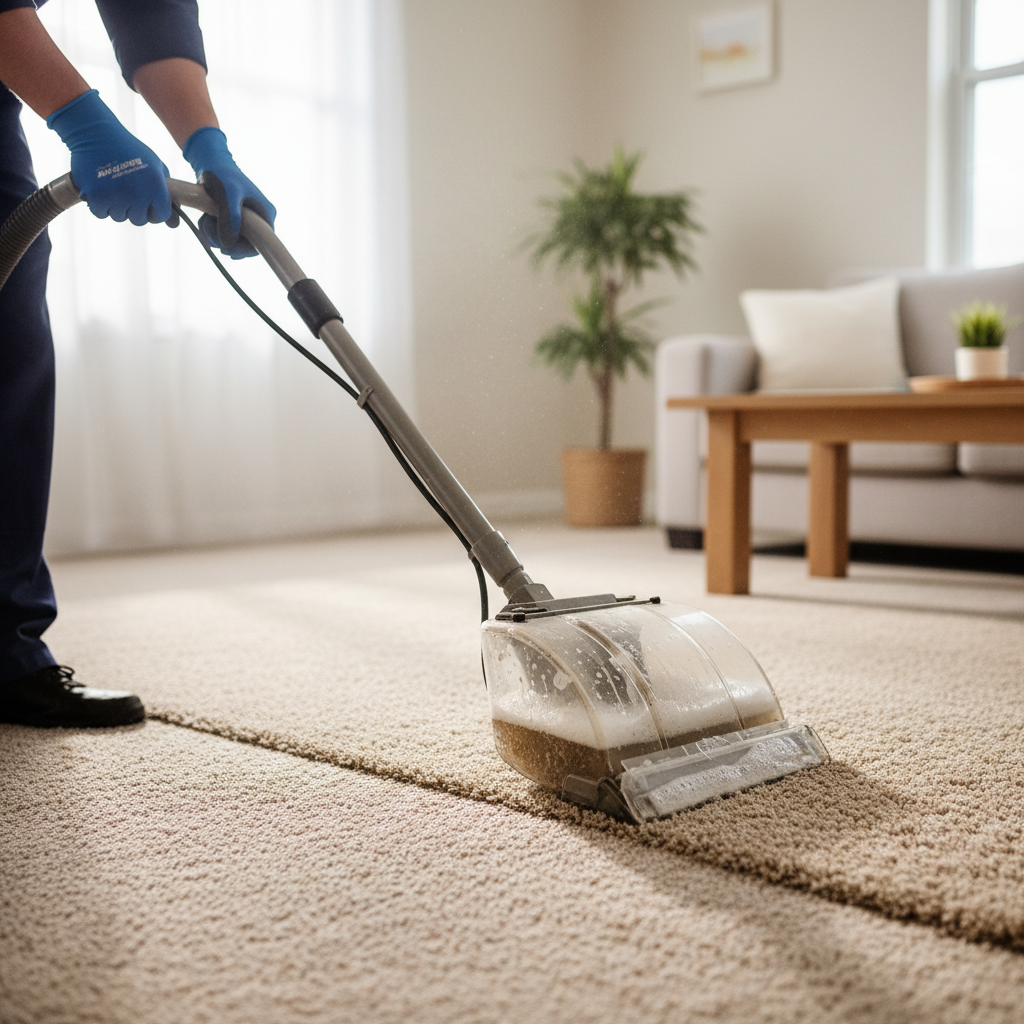
Homeowners often find themselves caught in a cycle of repeated cleaning, only to see the same mark return days later. This phenomenon, known as wicking, occurs when a spill travels deep into the carpet backing. While a domestic machine might clean the surface fibres, the moisture remaining below acts like a candle wick, pulling the stain back to the surface as the carpet dries. Only high-powered extraction can break this cycle.
Relying on professional carpet stain removal London services is not just about convenience; it is about protecting a significant financial asset. Many high-end carpet manufacturers in the UK include clauses in their warranties that mandate professional hot water extraction at specific intervals. Using unverified supermarket chemicals or high-alkaline DIY solutions can physically alter the fibre chemistry, effectively voiding these protections and leaving you without recourse for manufacturing defects.
At NanoDefence, our about our systematic process utilizes industrial-grade extraction equipment that generates significantly higher lift than any rental unit or domestic vacuum. This ensures that contaminants are pulled from the base of the pile and the secondary backing, rather than being pushed further down. Professional intervention provides targeted chemistry calibrated to the specific pH of the stain, preventing the over-saturation that often leads to structural damage in London's seasonal climate.
Future-Proofing Your Home with Nano-Technology Surface Protection
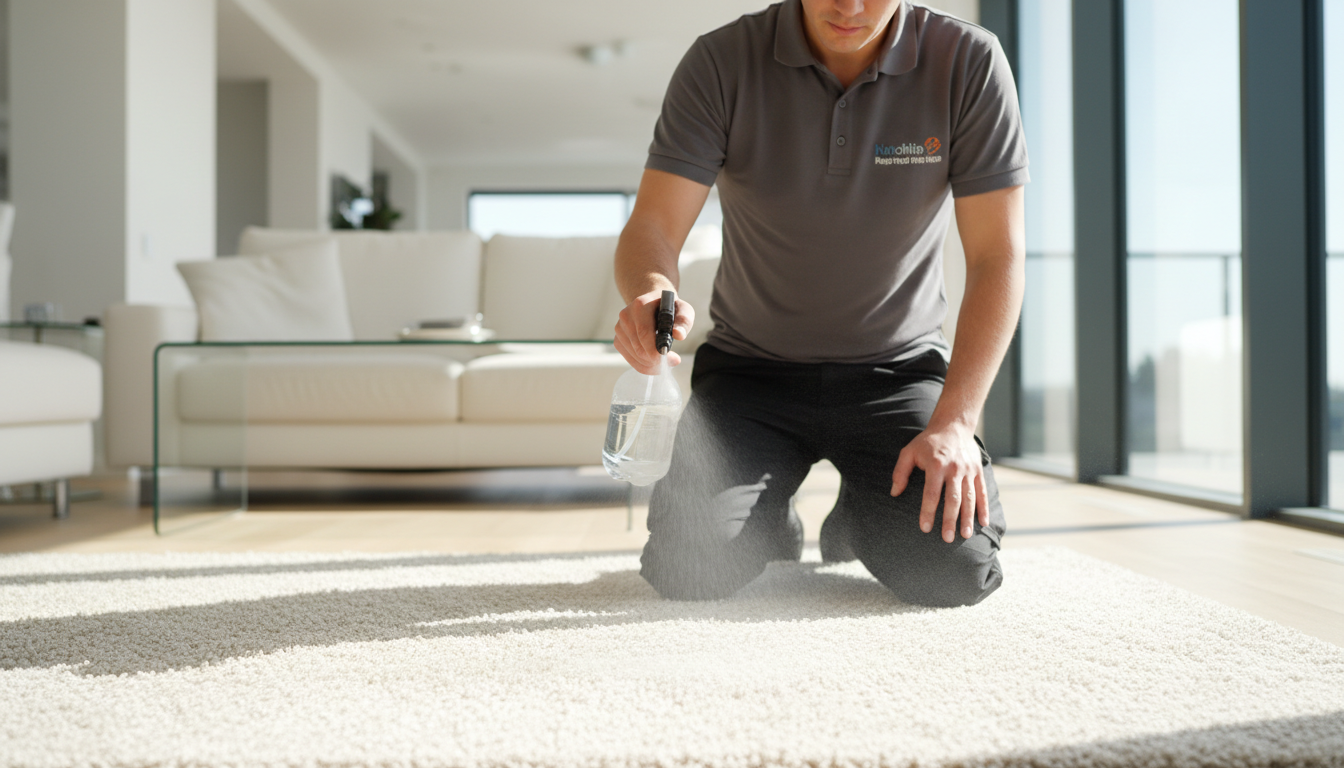
Transitioning from reactive cleaning to proactive preservation is the most effective way to manage a high-end interior. While expert intervention is vital for existing marks, integrating nano-technology surface protection into your maintenance schedule changes the chemical relationship between your carpet and potential contaminants. Unlike traditional topical treatments that can leave a stiff residue or alter the feel of the pile, nano-coatings operate at a molecular level, bonding to individual fibres to create an invisible, hydrophobic shield.
This barrier significantly alters the surface tension of the textile. When a glass of red wine or a bowl of ice cream hits the floor, the liquid cannot penetrate the fibre; instead, it beads into distinct droplets that sit on the surface. For the busy London professional or a household hosting frequent summer gatherings, this turns a potential permanent mark into a ten-second cleanup with a simple absorbent cloth. By preventing initial absorption, you effectively reduce the frequency of emergency professional carpet stain removal London calls. This long-term strategy is a core component of about our systematic process, ensuring that high-traffic areas in family homes or commercial offices remain resilient against the fast-paced demands of the London lifestyle. Protective coatings provide the luxury of time, allowing residents to enjoy their spaces without the constant anxiety of impending spills.