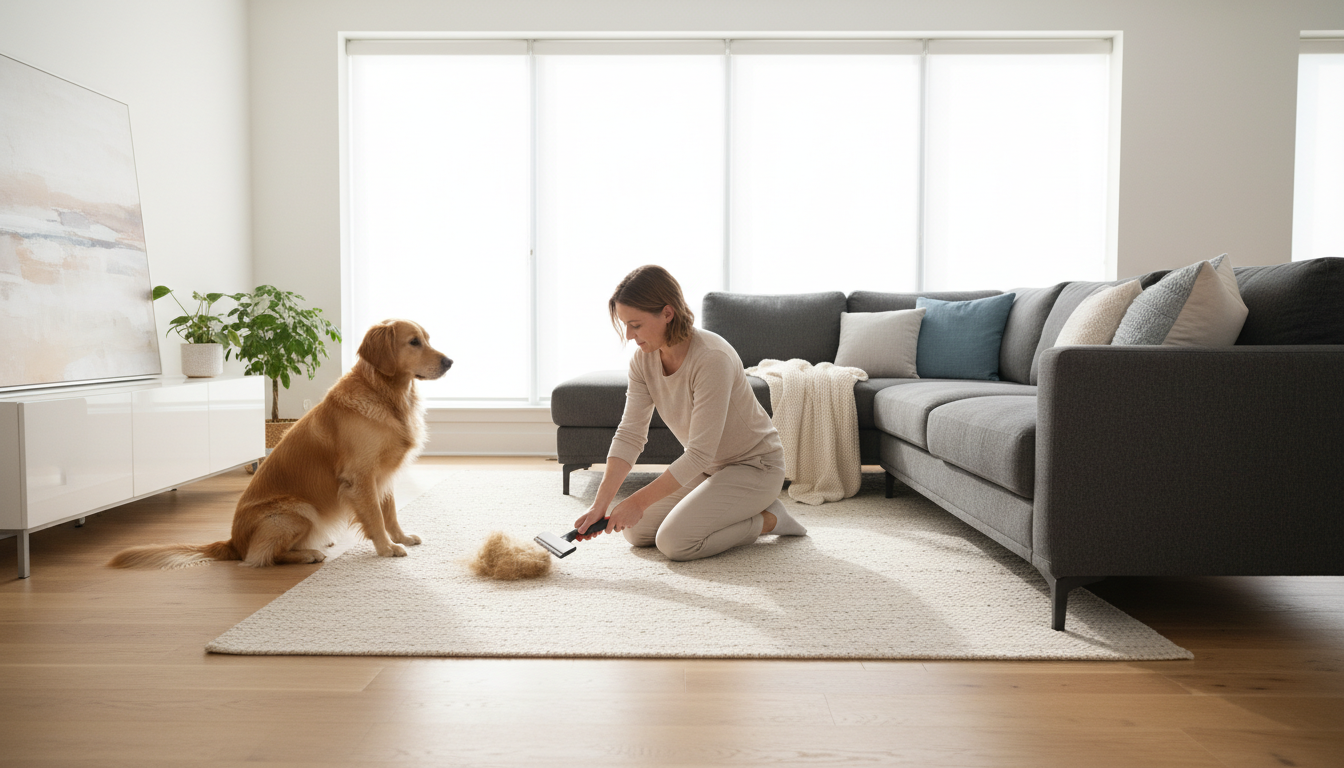
Persistent odors occur because uric acid crystals remain trapped deep within the fibers and subfloor even after surface cleaning. To permanently remove a dog urine smell carpet London, homeowners should utilize professional enzyme treatments that chemically break down the organic source of the scent. This advanced approach prevents the smell from returning during periods of high humidity and ensures a hygienic living space.
A persistent dog urine odor can quickly compromise the refined atmosphere of a London home, often returning with frustrating regularity despite your best cleaning efforts. This recurring scent is not merely a surface issue; it is a chemical challenge rooted in trapped uric acid salts that react to the city's unique humidity levels. When traditional DIY methods fail, they often inadvertently worsen the problem by pushing moisture deeper into the fibers. In this guide, we examine the specific science behind why standard cleaning falls short and how London’s climate exacerbates pet odors. You will discover the necessity of professional deep extraction to remove embedded salts, along with the advanced role of nanotechnology in establishing a permanent barrier against future saturation. Understanding these molecular interactions is the first step toward reclaiming a pristine, odor free environment.
The Mystery of the Returning Dog Smell: Why Your London Home Still Stinks
Eliminating a stubborn dog urine smell carpet London residents often face is rarely a one-time task with supermarket cleaners. You might have spent hours scrubbing a patch in your living room, perhaps even hiring a rental machine or applying a vinegar solution, only to find the pungent aroma returns just as you think you have conquered it. This phenomenon is what we define as the Reactivation Cycle. It is a frustrating loop where the source of the odor is never truly removed, only temporarily suppressed.
This cycle is particularly prevalent in the capital due to our unique architectural landscape. In older Victorian and Edwardian properties, urine can seep through the carpet pile and settle into the porous gaps between original floorboards, creating a reservoir of bacteria that standard household equipment simply cannot reach. Conversely, in modern, tightly sealed apartments in areas like Canary Wharf or Nine Elms, the high level of insulation and lack of natural ventilation allows these trapped odors to concentrate. The smell often lies dormant until a humid London afternoon or until the central heating is switched on, which provides the warmth and moisture needed to trigger the scent again. Understanding this physical reality is the first step in about our systematic cleaning process. Relying on surface-level scrubbing often ignores these deeper structural issues, making professional carpet and rug cleaning a necessity for true decontamination rather than temporary masking.
The Science of Uric Acid: Why Standard Cleaning Fails
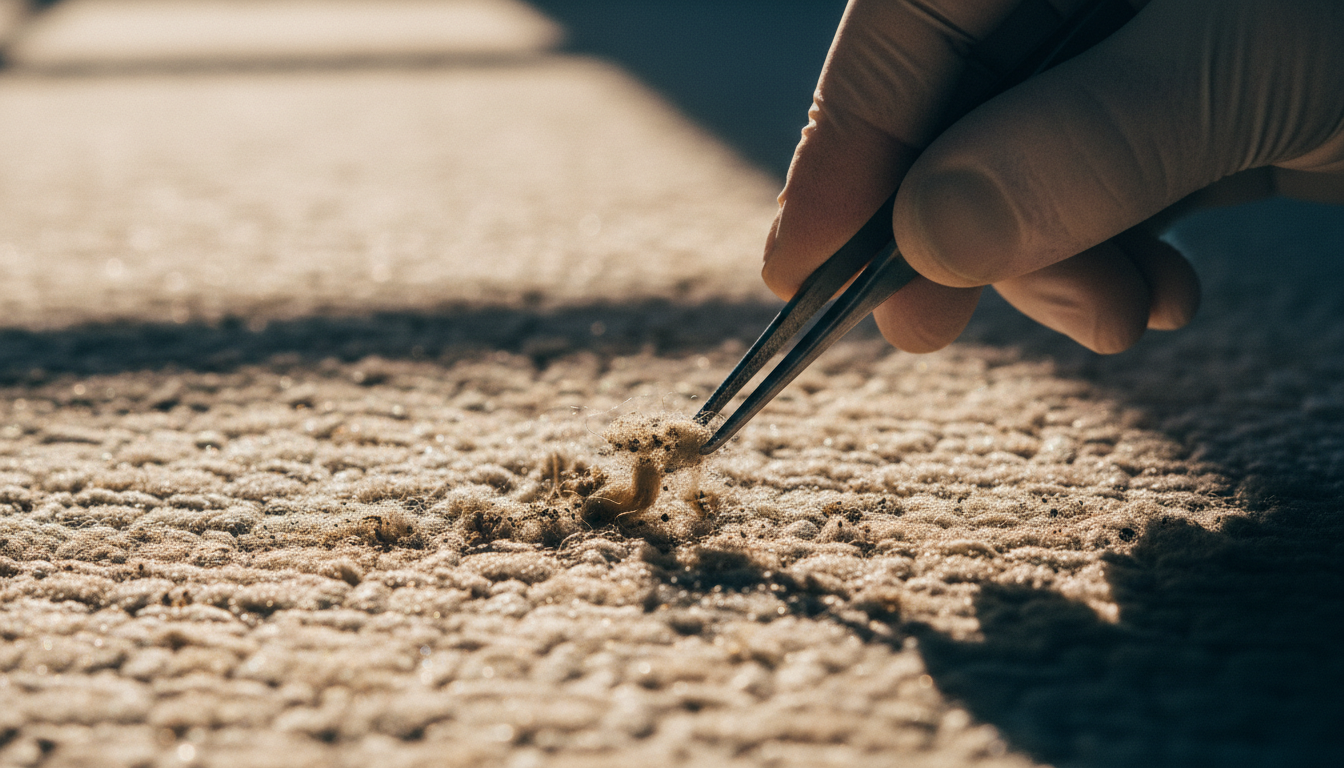
To resolve the recurring dog urine smell carpet London residents encounter, one must look beyond the visible stain to the chemical composition of the urine itself. Mammalian urine is comprised of three primary components: urea, urochrome (the pigment that causes yellowing), and uric acid. While off-the-shelf detergents and DIY vinegar solutions are often effective at breaking down the urea and flushing away the pigment, they fail to address the uric acid. This specific component does not dissolve in water or common household acids. Instead, it dries into a concentrated mass of non-soluble salt crystals that embed themselves deep within the carpet backing and the underlying padding.
These uric acid crystals are hygroscopic, meaning they have a chemical affinity for water and actively draw moisture from the surrounding environment. This characteristic is particularly problematic in London, where the average relative humidity often fluctuates between 60% and 80%. As the damp air interacts with these trapped crystals, a chemical reaction occurs. The crystals reactivate and begin to off-gas ammonia. This is the precise reason why a carpet might seem odour-neutral during a dry spell, only for the pungent scent to return with renewed intensity on a rainy afternoon or when the morning fog rolls in from the Thames.
Furthermore, the common mistake of attempting to flush a spot with water without professional carpet and rug cleaning equipment actually exacerbates the problem. Adding liquid provides the crystals with the exact catalyst they need to release ammonia gas, while simultaneously pushing the salts deeper into the subfloor. Because these crystals are not water-soluble, no amount of traditional scrubbing will move them. They remain dormant but chemically active, waiting for the next spike in humidity to trigger the smell. Addressing this requires a specialized understanding of about our systematic cleaning process, which focuses on breaking the chemical bonds of these salts rather than merely masking the surface aroma.
Why Traditional DIY Methods Often Make Pet Odors Worse
Many homeowners instinctively reach for kitchen staples to combat a persistent dog urine smell carpet London properties frequently harbor. While white vinegar and baking soda are touted as universal cleaners, they are physically incapable of resolving the chemical complexity of pet waste. Vinegar is a mild acid that can temporarily neutralize the alkaline ammonia smell, but it lacks the chemical structure to dissolve the resilient uric acid salts described previously. Once the vinegar evaporates, the salts remain, ready to reactivate. Baking soda presents a different risk; when mixed with moisture, it forms an abrasive paste that lodges between carpet fibers. As you walk over the treated area, these gritty particles act like sandpaper, wearing down the pile and causing permanent structural damage to the rug.
The most significant danger of DIY intervention is the lack of industrial-grade extraction. When you apply liquid cleaners or store-bought sprays, the gravity-driven fluid carries the dissolved urea and bacterial colonies through the carpet backing and into the underlay. Household spot cleaners and rental machines lack the vacuum power to pull this liquid back out. Instead, they create a wicking effect where the moisture disappears from the surface but remains trapped in a stagnant pool against the floorboards or subfloor.
This explains why a carpet may look pristine while the odour remains pungent. The source of the smell has simply been relocated to a deeper, less accessible layer of the flooring. Without professional carpet and rug cleaning equipment, you are often inadvertently pushing contaminants deeper into your home. Understanding the limits of these tools is a core part of about our systematic cleaning process, which prioritizes the physical removal of contaminants over surface-level masking.
The London Humidity Factor: How Our Climate Affects Carpet Odours
London’s meteorological profile plays a critical role in the persistence of dog urine smell carpet London homes struggle to eliminate. The city experiences extended periods of high relative humidity, particularly during the damp autumn and winter months, when moisture levels frequently exceed the threshold required to trigger dormant uric acid crystals. In the subterranean environments of Kensington basement flats, the lack of cross-ventilation and naturally higher moisture levels in the masonry create a permanent incubation zone for odours. Even if a stain appears dry to the touch, the ambient moisture in the air is often sufficient to sustain the bacterial activity within the carpet underlay.
Conversely, the environmental challenges in modern high-rise developments, such as those in Canary Wharf, stem from temperature regulation. During the colder months, intensive central heating systems strip moisture from the air, which might initially seem beneficial. However, this concentrated heat accelerates the sublimation of ammonia gas from deep-seated deposits. Because these apartments are designed to be airtight for energy efficiency, the released gases have no escape route, leading to a concentrated, pungent atmosphere. This localized climate within the home requires more than just a surface spray; it necessitates professional carpet and rug cleaning to physically extract the source. Understanding these regional environmental factors is fundamental to about our systematic cleaning process, ensuring we address not just the visible stain, but the way your specific London property interacts with trapped contaminants.
Professional Deep Extraction: The Only Way to Remove Uric Salts
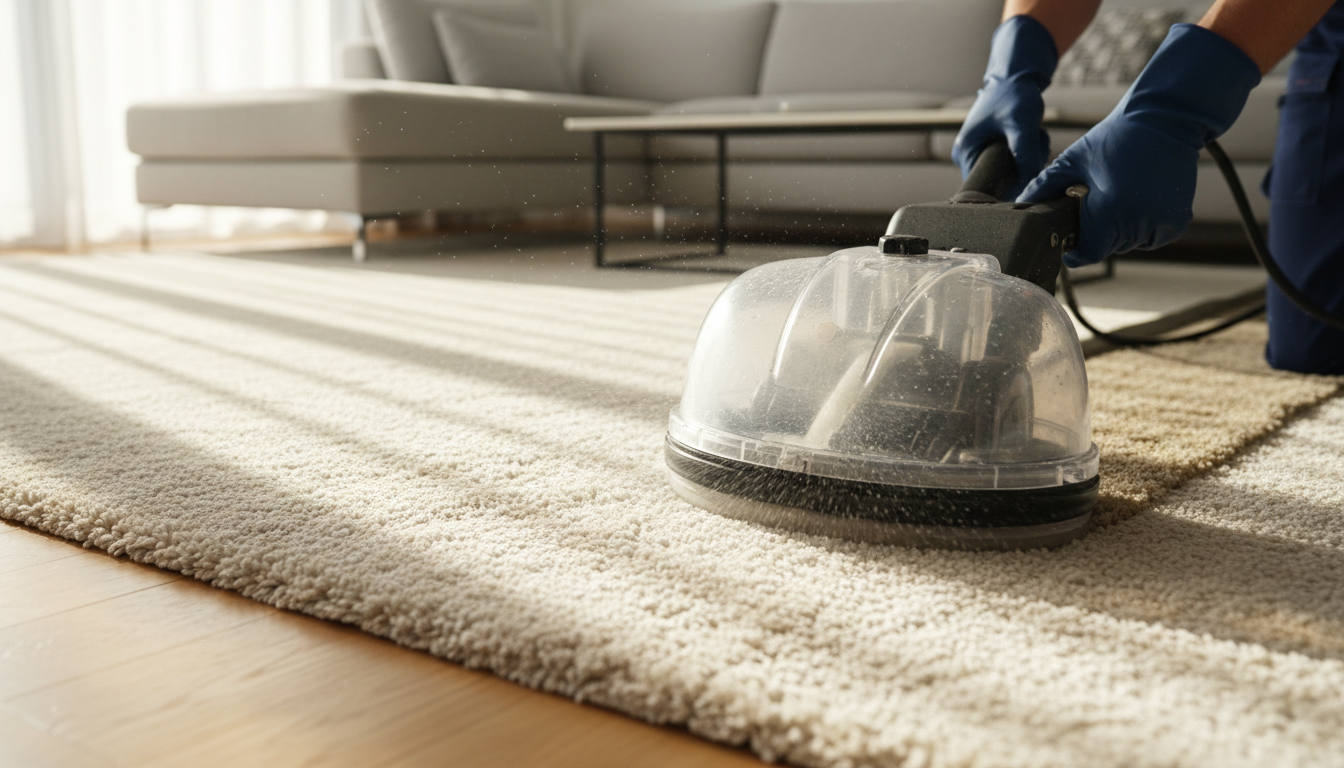
To successfully eliminate the dog urine smell carpet London homeowners find so persistent, the cleaning process must move beyond the surface and address the sub-level contamination. This requires a shift from standard washing to a medical grade decontamination process. The first step involves the application of specialized enzyme-based pre-treatments. Unlike supermarket detergents that merely surround dirt particles, these enzymes act as biological catalysts. They are engineered to specifically target the chemical bonds of uric acid and ammonia, breaking down the insoluble crystals into a water-soluble form that can finally be manipulated.
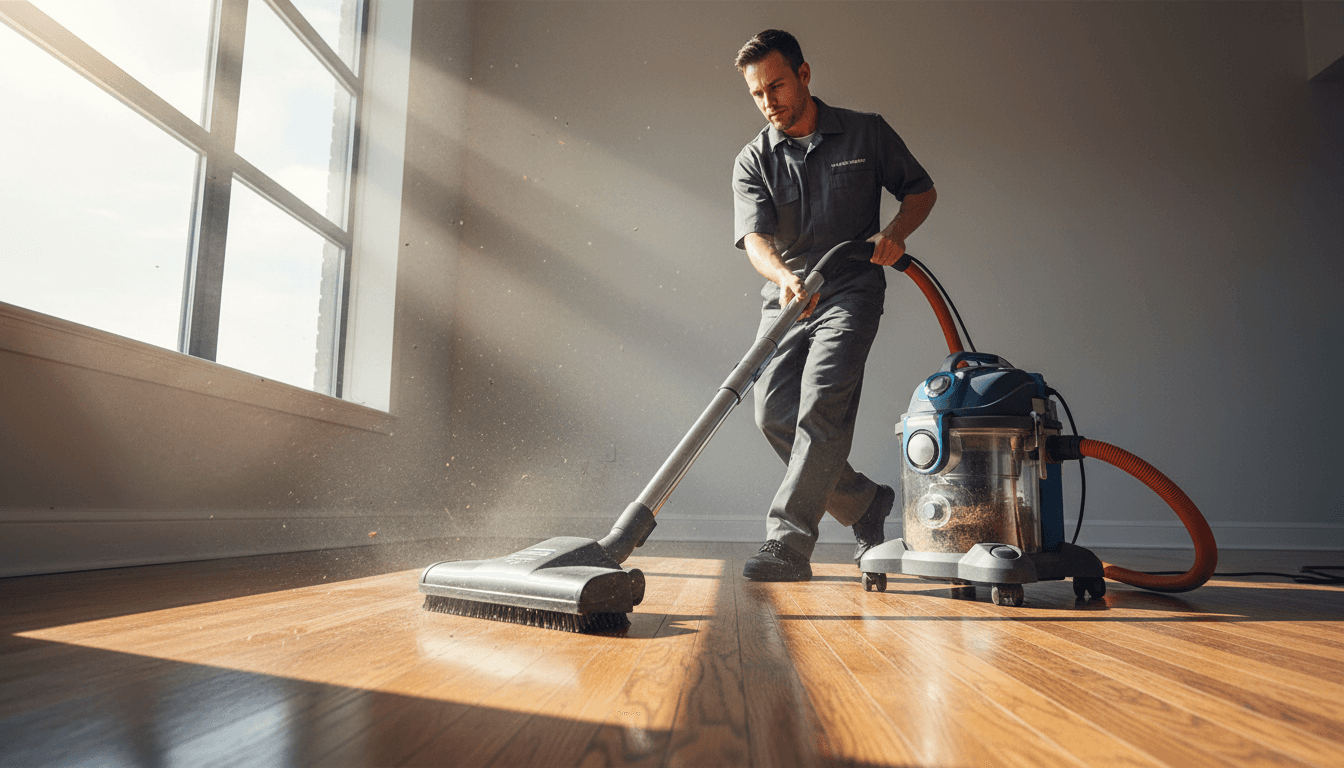
Once the chemical structure of the waste has been compromised, the deep extraction phase begins. This is the technical core of about our systematic cleaning process. We utilize industrial equipment that produces high-heat and significant vacuum pressure, far exceeding the capabilities of any consumer-grade rental. The high temperature is critical; it ensures that the uric salts are fully dissolved into the cleaning solution. Simultaneously, the high-vacuum lift pulls this contaminated slurry out from the deep pile and the underlay, rather than simply moving it around.
This physical removal is what differentiates professional carpet and rug cleaning from DIY attempts. While a household machine often leaves the carpet backing saturated, creating a breeding ground for bacteria, professional extraction ensures the moisture and the microscopic crystals are entirely evacuated from the fibers. By removing the source of the odour at the molecular level, we stop the reactivation cycle, ensuring the scent does not return the next time the London humidity rises.
Breaking the Cycle with Nano Technology Surface Protection
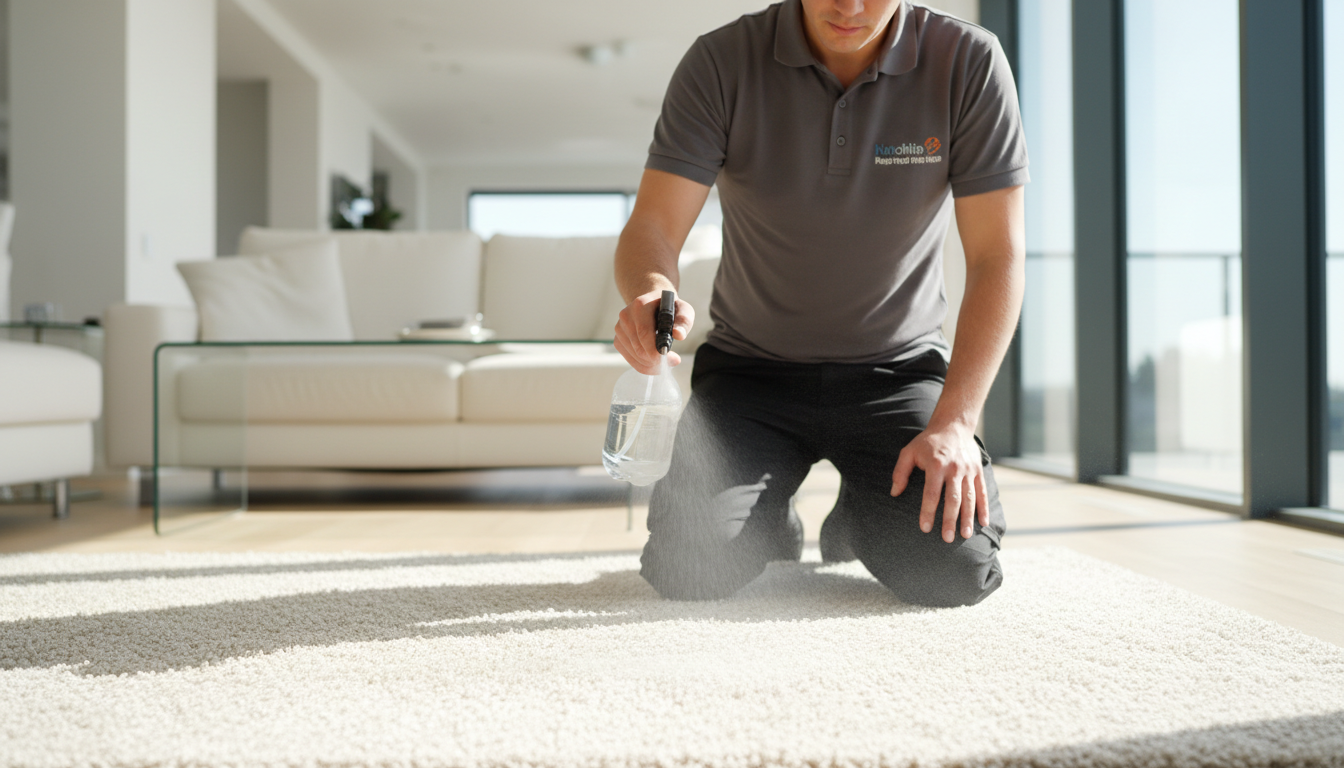
Traditional cleaning focuses exclusively on the past, addressing damage that has already occurred. True long term resolution for the dog urine smell carpet London residents contend with requires a proactive shift toward prevention. Once we have achieved complete decontamination through deep extraction, the final phase of about our systematic cleaning process involves the application of nano-technology surface protection. This is not a topical film or a stiff chemical coating. Instead, it involves microscopic particles that bond to the individual fibers at a molecular level, creating an invisible, breathable, and highly durable hydrophobic barrier.
This barrier fundamentally changes how carpet fibers interact with moisture. When a fresh accident occurs, the liquid is physically unable to penetrate the fiber or seep through the backing into the underlay and floorboards. Instead of soaking in and beginning the chemical transition into uric acid crystals, the urine beads on the surface. This buys the homeowner critical time to respond. Because the liquid is suspended, it can be completely absorbed with a clean cloth or paper towel through simple blotting. Without the ability to penetrate the backing, the source of the ammonia gas is eliminated before it can even begin to develop.
Implementing this level of protection is essential for maintaining the results of professional carpet and rug cleaning. In high traffic London environments, from pet friendly offices in the City to family homes in Richmond, this technology serves as a permanent insurance policy against the reactivation cycle. By preventing the physical ingress of organic waste into the sub-layers of the flooring, we ensure that the uric acid salts described earlier never have the opportunity to take hold. This makes the carpet easier to maintain and ensures the interior environment remains free of the pungent odors that thrive in the capital’s humid climate.
Breaking the cycle of recurring pet odors requires addressing the source deep within the carpet fibers. While routine cleaning helps, permanent results come from neutralizing the stubborn crystals that trapped moisture leaves behind. If you find yourself struggling with persistent smells and would prefer expert help to restore your home, we are here to assist. You can learn more about our professional decontamination process and how we handle complex odor issues. Reclaiming a fresh, clean living space is much simpler when you have the right tools and experience at your side.