
Scheduling professional carpet cleaning before heating goes on London properties prevents central heating systems from circulating trapped allergens, dust mites, and bacteria throughout the home. This proactive maintenance removes accumulated autumn debris while using the initial indoor warmth to accelerate drying times and prevent winter mold growth.
As London temperatures drop and the central heating clicks on, many homeowners notice a distinct, stale odor permeating their living spaces. This is rarely a fault with the radiator; rather, it is the result of months of trapped particulates, dust mites, and organic matter reacting to the sudden rise in ambient heat. Failing to address these deep-seated pollutants before sealing your windows for the winter creates a stagnant environment that compromises indoor air quality. Understanding the interaction between heat and fibers is crucial for maintaining a healthy home during the colder months. In this guide, we examine why the heating season represents a critical deadline for carpet maintenance. We will cover the mechanics of winter allergens, the risks of the London humidity paradox, and how advanced nano technology provides a superior shield against the seasonal challenges of indoor living.
The Big Switch On: Why the Start of the London Heating Season is a Critical Deadline
In London, the shift from mild autumn to the official heating season typically occurs between late October and mid November. While many residents view this period as a time for general seasonal chores, prioritizing professional carpet, rug, and upholstery cleaning services before the thermostats are turned up is a strategic necessity. This transition is not merely about comfort; it marks a significant thermal shift that fundamentally changes the environment within your floor fibers.
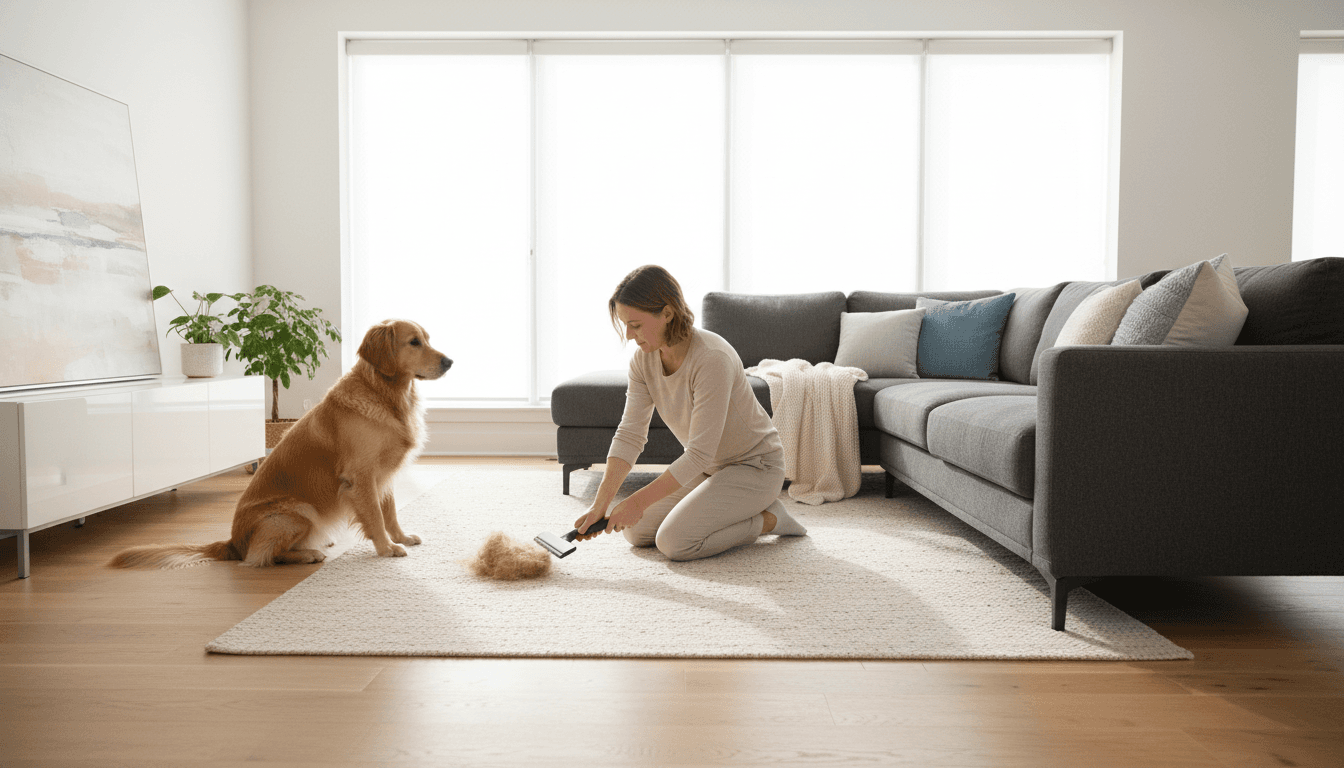
For months, carpets act as a passive filter, trapping dust, skin cells, and microscopic organic matter. Once the central heating activates, these fibers become an incubator. The sudden rise in temperature, especially with underfloor heating or radiators placed near floor level, accelerates the breakdown of organic material. This process triggers the release of trapped odors and encourages bacterial activity that stayed dormant during the cooler months.
London homes, particularly Victorian and Edwardian properties, present unique challenges. These older structures often harbor residual dampness within floorboards or sub-floors. When the heating goes on, this moisture interacts with accumulated dirt to create a heavy, musty atmosphere. Scheduling your carpet cleaning before heating goes on London ensures that these contaminants are extracted before the heat can bake them into the home's micro-climate. Utilizing advanced nano-technology surface protection at this stage provides a barrier against the increased indoor activity common in the winter months.
Solving the Mystery: Why Does My Carpet Smell When the Heating Comes On?
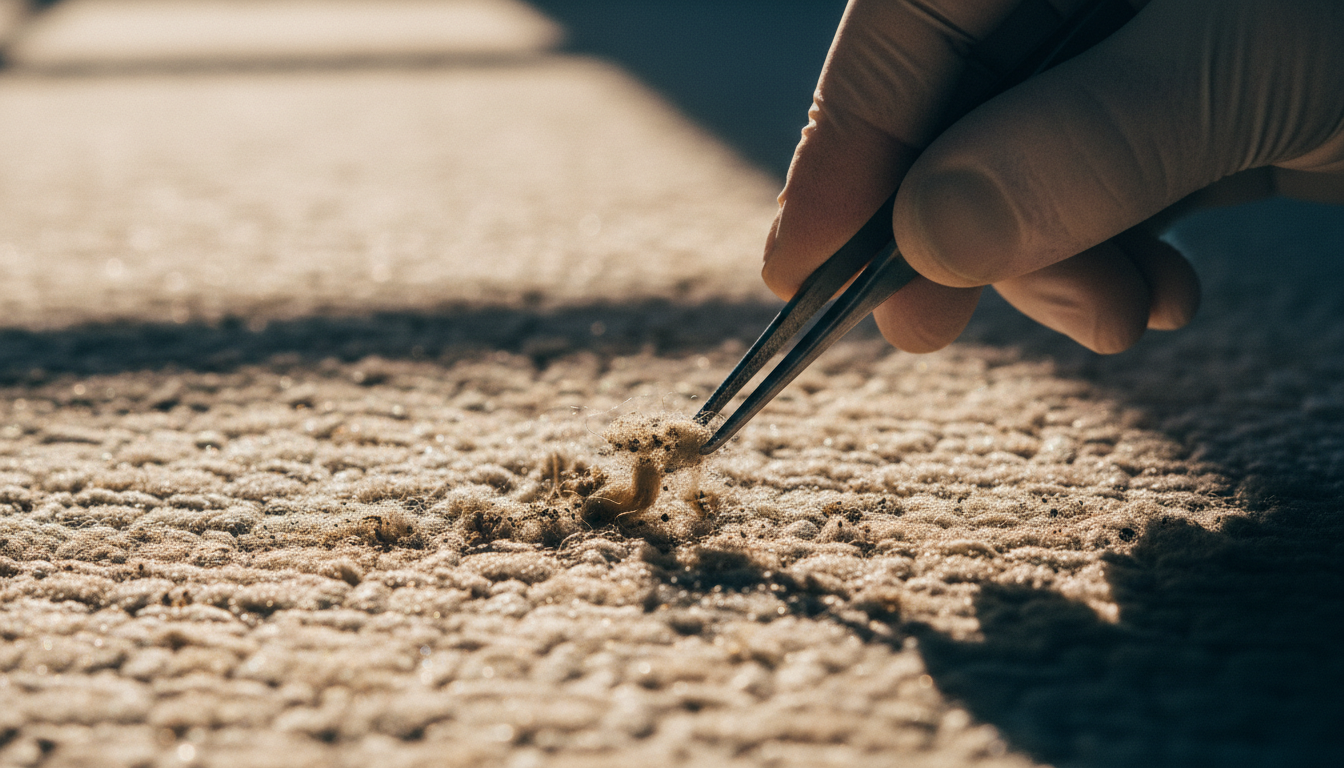
Many London homeowners find themselves asking, "why does my carpet smell when the heating comes on?" just as the November chill sets in. This is not a coincidence of the air; it is a direct chemical and biological reaction happening within your floor. Throughout the year, carpets act as an environmental sink, capturing a dense layer of pet dander, skin cells, and tracked-in organic matter. While these particles remain relatively inert in cool temperatures, the introduction of thermal energy from radiators or underfloor heating changes their physical state.
As the temperature of the carpet fibers rises, the organic matter trapped deep within the pile begins a process known as off-gassing. The heat provides the energy necessary for these particles to release volatile organic compounds (VOCs) into the air. This often manifests as a heavy, musty, or "old house" smell that seems to permeate the room. Furthermore, the localized warmth near the floor creates an ideal environment for microbial growth. When bacteria consume the trapped proteins and oils, they release foul-smelling byproducts as they multiply.
Method | Impact on VOCs and Odors | Longevity |
|---|---|---|
Deodorizing Sprays | Masks surface odors only | Temporary (hours) |
Retail Shop Rentals | Partial removal of surface dirt | Short-term |
Professional Deep Extraction | Total removal of the organic source | Long-term |
Surface treatments like scented powders are ineffective because they only attempt to hide these odors at the surface. To truly eliminate the scent, the source must be physically removed. Prioritizing a professional carpet cleaning before heating goes on London properties ensures that this "organic reservoir" is flushed out before it has the chance to circulate. Utilizing professional carpet, rug, and upholstery cleaning services employs high-pressure systems that reach the base of the pile to remove volatiles. Following this with advanced nano-technology surface protection ensures that future spills do not become a new source for microbial activity, keeping the indoor environment neutral even as temperatures rise.
Combating London Winter Lung: Allergens and Indoor Air Quality
As Londoners tighten seals on windows and doors to stave off the damp chill, a phenomenon colloquially known as London Winter Lung begins to emerge. In an effort to conserve warmth, indoor ventilation is often sacrificed; this creates a closed-loop system where the air you breathe is recycled through your home's largest filter: the carpet. Throughout the spring and summer, the pile acts as a magnet for a cocktail of London air particulates, including micro-fine road dust, residual tree pollen, and pet dander.
Once the heating season begins, the upward flow of warm air creates convection currents that lift these dried-out allergens from the base of the carpet fibers. This includes microscopic dust mite droppings and skin cells that have settled deep in the pile. Without the dilution effect of fresh outdoor air, the concentration of these triggers rises significantly. Research into indoor environments suggests that during the winter months, indoor air quality in a poorly maintained home can be up to five times more polluted than the air outside in areas like Marylebone or the City.
Allergen Type | Source | Impact of Heating |
|---|---|---|
Dust Mite Waste | Fibers/Bedding | Becomes airborne via convection |
Pet Dander | Skin and Fur | Dries out and breaks into smaller particles |
Summer Pollen | Open windows/Shoes | Circulates as fine particulate matter |
Performing a deep carpet cleaning before heating goes on London residences is the most effective way to purge this seasonal accumulation. Scheduling professional carpet, rug, and upholstery cleaning services acts as a complete reset for your home’s natural air filtration system. By removing the physical load of allergens before the heat activates, you prevent the carpet from reaching its saturation point. This proactive approach ensures that the air circulated by your radiators remains clean, reducing respiratory strain during the months when Londoners spend most of their time indoors. Utilizing advanced nano-technology surface protection further assists by preventing new particulates from bonding to the fibers, making subsequent maintenance more effective.
The London Humidity Paradox: Managing Moisture and Mould Risk
The London winter presents a unique environmental challenge: the humidity paradox. While the air outside is often saturated with damp, the interior is artificially warmed. This combination creates a significant risk for localized mould growth. Warm, moisture-laden air within the home naturally migrates toward colder surfaces. In many London properties, particularly those with solid brick walls and limited insulation, the perimeter of the room acts as a thermal bridge. As warm air hits these cold exterior walls, it reaches its dew point and condenses, often soaking into the carpet edges.
This localized dampness is the primary driver behind the common musty smell from carpet in winter. When moisture meets the organic matter already trapped in the fibers, it creates a perfect substrate for fungal spores. These issues are most prevalent in stagnant zones; areas under heavy Victorian sideboards or behind sofas where airflow is severely restricted.
Factor | Impact on Mould Risk |
|---|---|
High Indoor Temp | Increases moisture capacity of air |
Cold Wall Surfaces | Triggers condensation at carpet edges |
Restricted Airflow | Prevents evaporation in corners |
Scheduling your carpet cleaning before heating goes on London is a critical preventative measure. By performing a deep extraction in the late autumn, you remove the organic nutrients that mould requires to thrive before the condensation cycle begins in earnest. Furthermore, the slightly higher ambient temperatures of late October facilitate faster drying compared to the deep winter chill of January. Utilizing professional carpet, rug, and upholstery cleaning services ensures that excess moisture is removed immediately. Applying advanced nano-technology surface protection provides an additional layer of defense, making the fibers less hospitable to the moisture and spores that characterize the London winter season.
Professional Extraction vs DIY: Why Winter Demands More Power
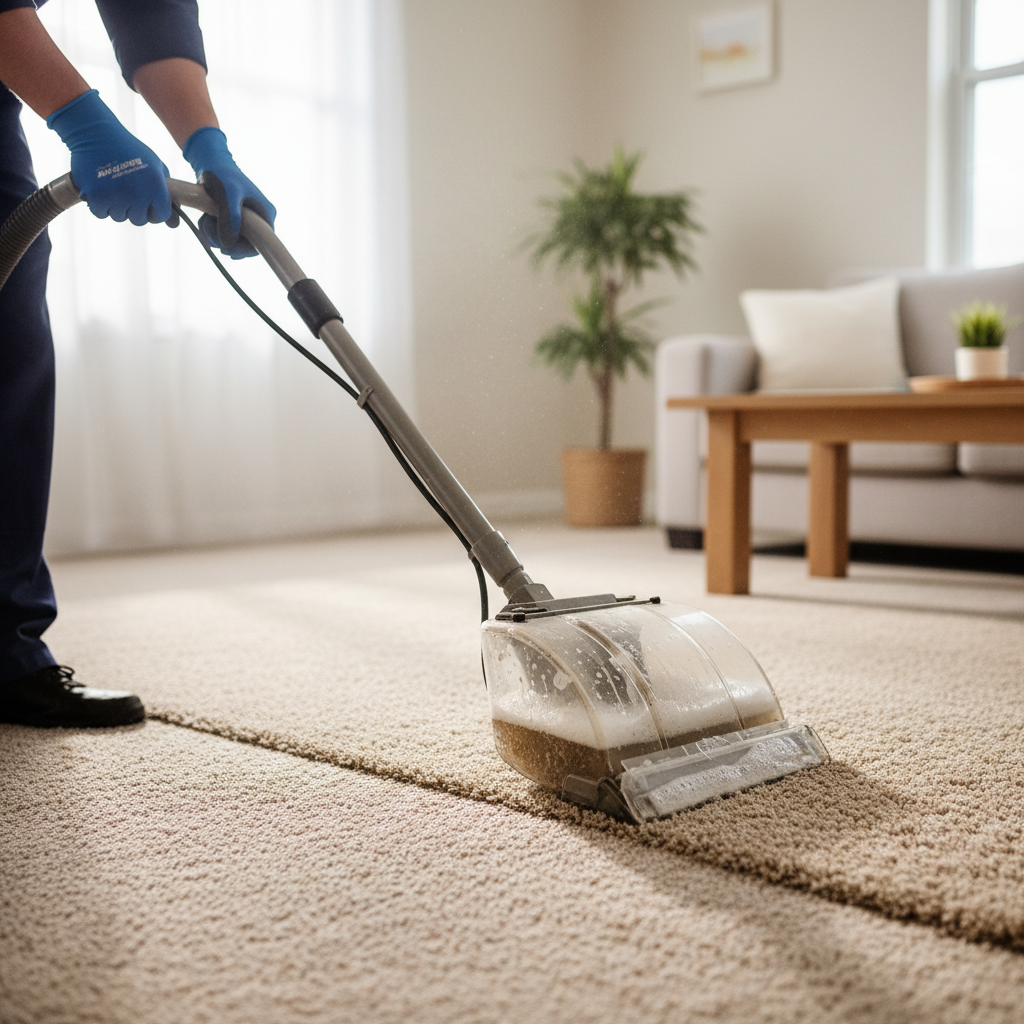
The temptation to hire a supermarket rental machine is often high; however, these units typically lack the vacuum lift required for a London winter. The primary danger of DIY methods during the colder months is oversaturation. Rental machines generally rely on high water volume without the corresponding suction power to retrieve it. In a season characterized by high external humidity and limited natural evaporation, a carpet left even slightly too wet can remain damp for days. This prolonged drying period is a leading cause of the musty smells and microbial growth discussed previously.
NanoDefence utilizes a systematic process centered on high-powered deep extraction. Unlike retail units, our industrial grade equipment features advanced suction systems that remove approximately 90 percent of moisture immediately. This high-efficiency performance ensures that even when it is raining in Kensington or Canary Wharf, the fibers are dry and ready for use within hours rather than days. Choosing professional carpet, rug, and upholstery cleaning services ensures that the cleaning agent is thoroughly rinsed without leaving a sticky, dirt-attracting residue behind. A professional carpet cleaning before heating goes on London properties provides a level of soil removal that DIY machines simply cannot achieve. Once the extraction is complete, applying advanced nano-technology surface protection creates a hydrophobic barrier, shielding the pile from the salt and slush common to the city's winter streets.
Nano Technology: The Ultimate Winter Shield for London Carpets
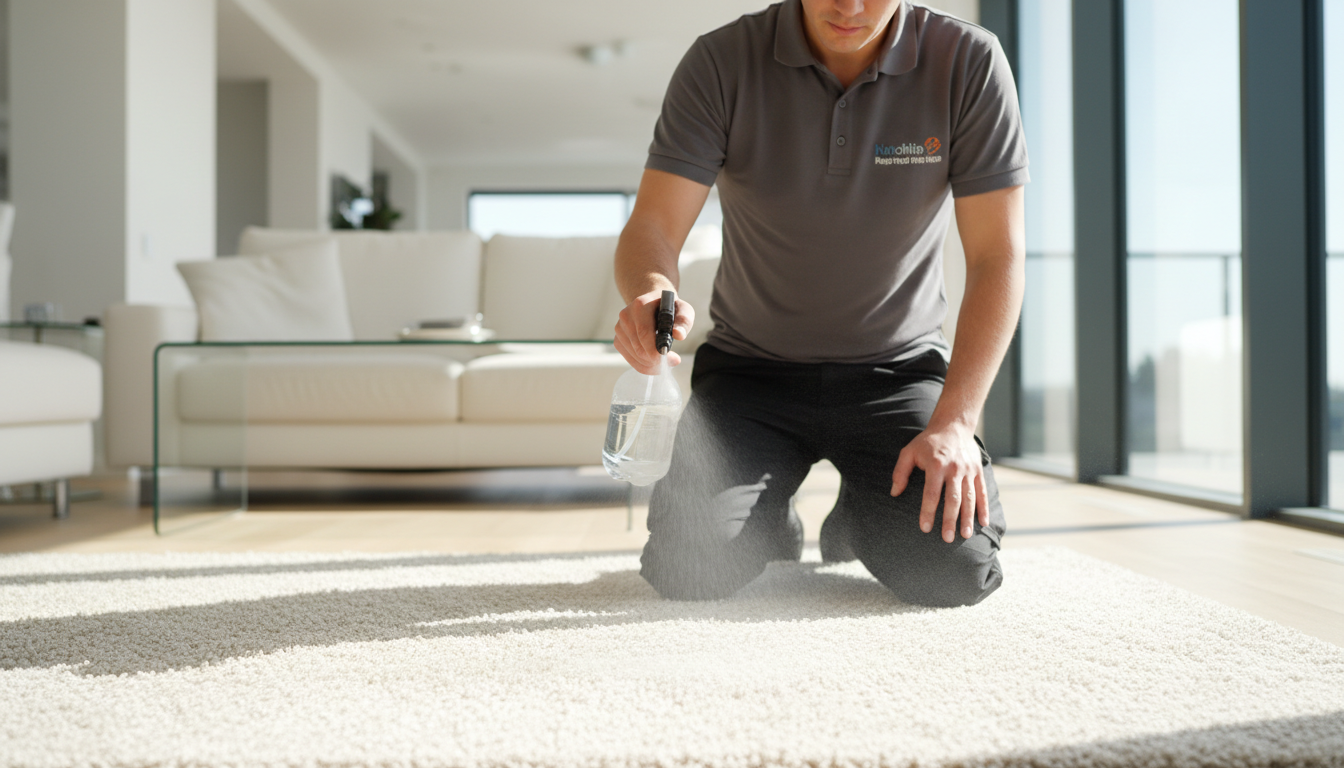
Deep extraction serves to purge the pile, but the volatile conditions of a London winter necessitate a proactive defense. The defining feature of the NanoDefence process is the application of advanced nano-technology surface protection. This treatment functions at a molecular level, creating a hydrophobic layer that encapsulates each individual fiber. In a city where the winter months bring a constant influx of moisture, this barrier is essential. It ensures that wet stains, such as grey slush from the street or spilled mulled wine during a holiday gathering, cannot penetrate the absorbent core of the yarn.
By preventing liquids from soaking in, this technology eliminates the risk of moisture becoming a breeding ground for bacteria as the central heating warms the home. This protection also addresses the issue of grit and de-icing salt tracked in from London pavements. These abrasive particles usually bond to damp fibers, causing significant mechanical wear over time. Nano-protection reduces this surface tension, making it significantly easier to vacuum up sharp debris before it can damage the pile. Completing your professional carpet, rug, and upholstery cleaning services with this protective phase transforms your floor from a passive sink into an active, easy to maintain shield. Integrating this step into your carpet cleaning before heating goes on London residences is a primary recommendation within our Carpet Care Tips for long-term fiber health.
Expert Tips: How to Dry Carpet After Cleaning in Winter
While professional extraction removes the bulk of the water, the final evaporation phase is critical for maintaining fiber integrity. Implementing a controlled drying environment is the final step in a successful carpet cleaning before heating goes on London residences, especially when external humidity levels are high. To ensure your textiles dry quickly and safely, follow these professional protocols.
Strategic Thermostat Management: Maintain a steady indoor temperature between 18 and 22 degrees Celsius. This range creates the ideal vapor pressure to facilitate evaporation. Avoid cranking the heat higher, as excessive warmth in a closed room can create a humid environment that traps moisture rather than removing it.
The Cross-Ventilation Technique: Even on a typical damp London day, crack open windows at opposite ends of the room for short bursts. This allows the heavy, moisture-laden air inside to be replaced by fresh air. This exchange prevents the indoor atmosphere from reaching a saturation point where the carpet can no longer release water.
Mechanical Air Movement: Use household fans to move air horizontally across the surface of the carpet. The goal is to break the boundary layer of moisture sitting directly on the pile. Moving air is far more effective at drying fibers than stagnant heat alone.
Dehumidifier Placement: If a dehumidifier is available, position it in the center of the room. This helps extract the water vapor that your fans have lifted from the floor, effectively lowering the room's dew point.
It is vital to avoid walking on the carpet until it is completely dry. A common mistake is walking in clean socks, assuming they will protect the pile. In reality, cotton socks act as a wick, transferring body oils and residual sweat from your skin directly into the damp fibers. These oils can cause rapid re-soiling or permanent dark spots. For the best results this season, contact NanoDefence today to schedule your professional carpet, rug, and upholstery cleaning services and protect your home with advanced nano-technology surface protection.
Cleaning your carpets before the heating season starts is essential for maintaining a healthy indoor environment throughout the London winter. By removing dust and allergens now, you prevent them from circulating in your home when the radiators turn on. If you want expert help to ensure your living space remains pristine, our team is ready to assist. You can learn more about our mission to provide quality cleaning solutions that prioritize your health. Let us help you breathe easier during the colder months ahead.