Professional sofa cleaning London is the most effective way to remove deep-seated allergens, bacteria, and grime that regular vacuuming cannot reach. Experts recommend scheduling a deep clean every 12 to 18 months to maintain a healthy home environment and extend the lifespan of your furniture.
Maintaining a pristine sofa in the heart of London often feels like a losing battle against urban pollutants and the rigors of daily life. You might vacuum every weekend, yet a faint, lingering odor persists or the fabric looks inexplicably dull. This occurs because standard domestic equipment lacks the mechanical power to reach the deep seated contaminants embedded within upholstery fibers. Ignoring these hidden pollutants does more than affect aesthetics; it compromises the hygiene of your living space and degrades the structural integrity of the material. In this guide, we examine the limitations of surface level cleaning and the common pitfalls of DIY chemical treatments. You will discover why professional intervention is essential for London households, and how advanced nanotechnology provides a proactive barrier against future stains, ensuring your upholstery remains genuinely fresh rather than merely appearing clean.
The London Sofa Dilemma: Why Vacuuming is Only Surface Level
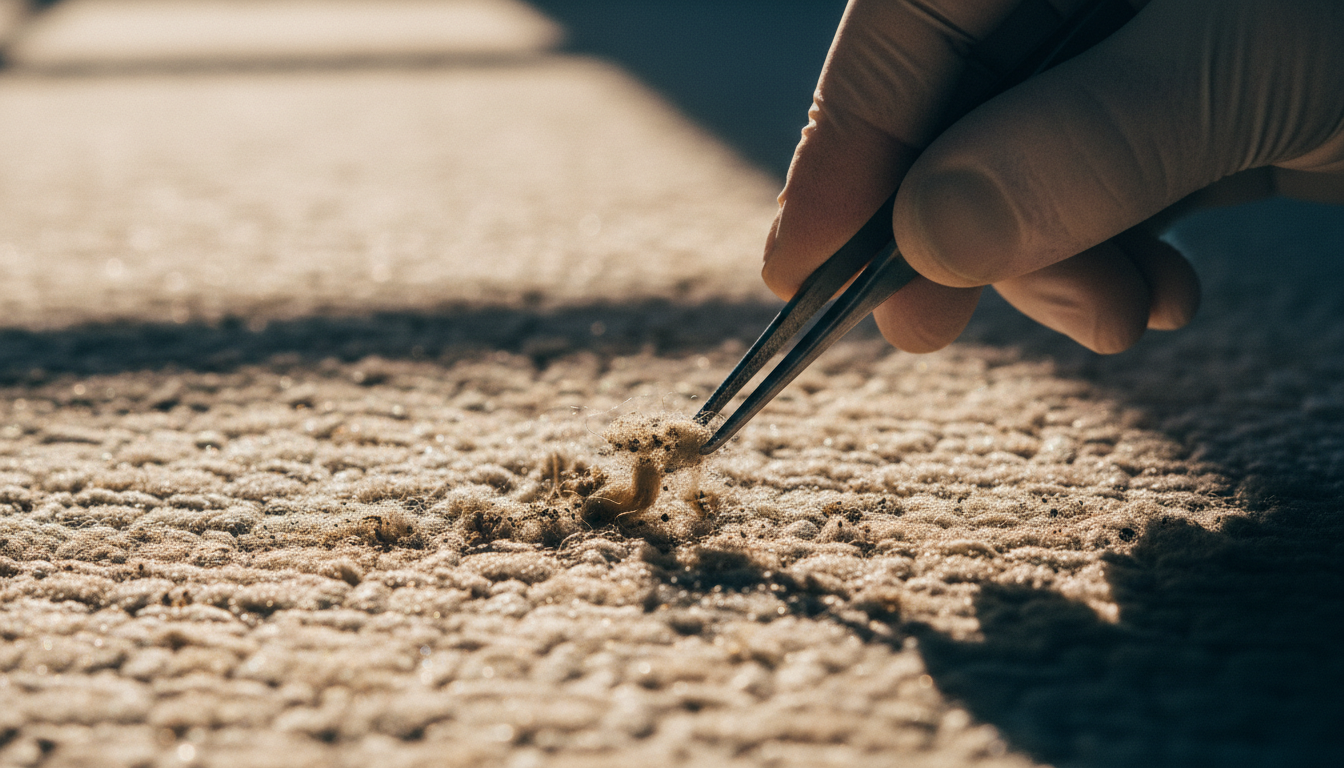
Weekly vacuuming is a fundamental part of home maintenance, yet it only addresses the top layer of debris. For residents requiring sofa cleaning London homes often present a unique challenge due to the city’s high concentration of atmospheric pollutants. Beyond the visible crumbs and pet hair, upholstered furniture acts as a giant air filter, capturing microscopic particles that circulate through open windows and ventilation systems.
In London, this environmental load includes high levels of particulate matter from vehicle emissions and the distinctive, metallic tube dust that migrates from the Underground. These pollutants do not simply sit on the surface; instead, they bond to the fibres through a combination of oily residues and the mechanical pressure of daily use. Every time someone sits down, they compress the fabric, forcing surface dust and dead skin cells deeper into the weave and the foam beneath. This process effectively traps contaminants where a standard vacuum nozzle cannot reach.
This accumulation is technically known as the bio-load. It consists of perspiration, body oils, and the thousands of skin cells humans shed daily, providing a fertile ground for bacteria. When these organic materials integrate with atmospheric soot, the result is a dull, flat appearance that no amount of suction can rectify. The fabric loses its lustre because the fibres are physically coated in a microscopic layer of grime that alters how light reflects off the material. Relying solely on a domestic vacuum cleaner ignores this subsurface buildup, which is why professional extraction is required to truly sanitise the piece. Applying advanced nano-technology surface protection after a deep clean is a vital step to prevent these urban pollutants from re-bonding to the individual fibres.
Addressing the Elephant in the Room: Why Does My Sofa Smell Bad?
Persistent odours are often the first sign that the subsurface bio-load has reached a critical point. Common queries regarding sofa smells range from general staleness to specific, pungent scents like fish, ammonia from pet accidents, or harsh chemical off-gassing. While some of these originate from the manufacturing process, most unpleasant aromas are the byproduct of bacterial activity. As body oils, perspiration, and skin cells penetrate the fabric, they provide a nutrient source for microbes that thrive in the dark, warm environments of upholstery foam.
In London, this issue is exacerbated by the architectural landscape. Many residents live in Victorian conversions where ventilation can be restricted and local humidity levels fluctuate. This moisture settles into the fibres, reacting with the trapped organic matter to produce a distinctive musty scent. This is particularly prevalent in properties near the Thames or in densely packed areas like Hackney or Fulham, where air circulation is naturally lower. The fabric absorbs this environmental moisture, turning trapped dust and oils into a stagnant reservoir of odour.
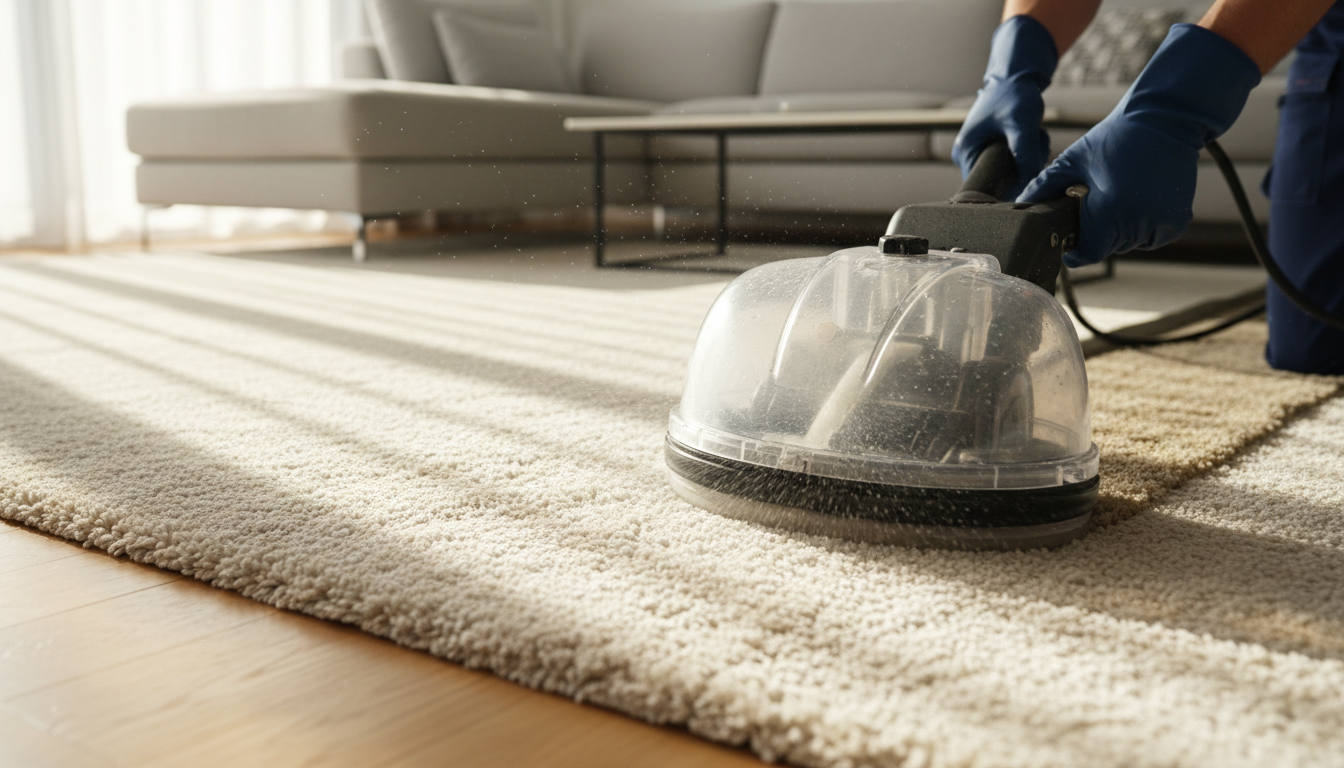
Many homeowners attempt to mitigate these smells with scented sprays or foam deodorisers. These products function as a chemical mask, temporarily overwhelming the nose with perfume while leaving the underlying cause intact. In some cases, the moisture from these sprays can actually accelerate bacterial growth by providing the hydration the microbes need to multiply. Professional sofa cleaning London experts use high temperature extraction to address the root cause. By injecting a heated sanitising solution deep into the padding and immediately extracting it, the source of the odour is physically removed rather than hidden.
To prevent these organic materials from sinking into the weave again, understanding the science of stain-proofing is essential. Applying a hydrophobic barrier ensures that liquids and oils remain on the surface, where they cannot feed bacterial colonies, keeping the furniture smelling neutral for significantly longer periods.
The Dirt Magnet Effect: Why DIY Upholstery Cleaning Often Backfires
Attempting to save money with a rental machine or a supermarket foam cleaner often leads to the rapid re-soiling cycle. Most domestic cleaning products are highly concentrated detergents designed to break down surface stains. However, without professional grade extraction power, a significant amount of this soap remains trapped in the fabric. As the moisture evaporates, the detergent dries into a microscopic, tacky film. This residue is chemically engineered to bond with oils and particulates, meaning it begins actively pulling new dirt from the air and clothing as soon as the sofa is back in use.
In the context of sofa cleaning London residents often notice their furniture looking grubby or grey just weeks after a DIY attempt. This is particularly problematic for light coloured wool or synthetic blends common in modern city apartments. The sticky residue captures the high levels of London soot and dust, locking them into the fibres. Furthermore, many off the shelf cleaners have an improper pH level for delicate upholstery, which can lead to fibre stiffening or permanent browning, an issue often flagged during move out inspections for London rentals.
NanoDefence addresses this through a rigorous chemical management process. We do not simply add more soap; we use a systematic rinse that neutralises the cleaning agents. By implementing pH balancing, we ensure the fabric returns to its natural state, free from any tactile or chemical residue. This precision prevents the dirt magnet effect, ensuring the material remains soft and clean. For those seeking long term resilience, applying advanced nano-technology surface protection after this neutralisation process provides a barrier that prevents future contaminants from finding a foothold.
Why Professional Sofa Cleaning is Worth the Investment for Londoners
Determining if professional sofa cleaning London services are a sound investment requires looking beyond the immediate cost. A high quality three seater sofa from a reputable UK retailer typically costs between £1,200 and £4,000. In contrast, maintaining that piece with a professional deep extraction every 12 to 18 months can extend its functional lifespan by five years or more. This is because embedded grit acts like sandpaper, physically grinding down fabric fibres every time someone sits. Removing this abrasive material preserves the structural integrity of the weave and prevents premature thinning of the textile.
For those living in small London apartments, the sofa often serves as the room's primary air filter. Regular cleaning is essential for maintaining indoor air quality by removing trapped pollutants and allergens that accumulate in dense urban environments. Furthermore, professional maintenance is a critical safeguard for tenants. Inventory clerks during End of Tenancy inspections pay close attention to upholstery; a single stubborn coffee stain or lingering pet odour can lead to significant deposit deductions. Investing in routine care ensures the furniture passes the highest level of scrutiny. Contact our London cleaning experts to discuss a maintenance schedule that protects both your investment and your living environment.
Nano Protection: The Secret to Making the Fresh Feeling Last
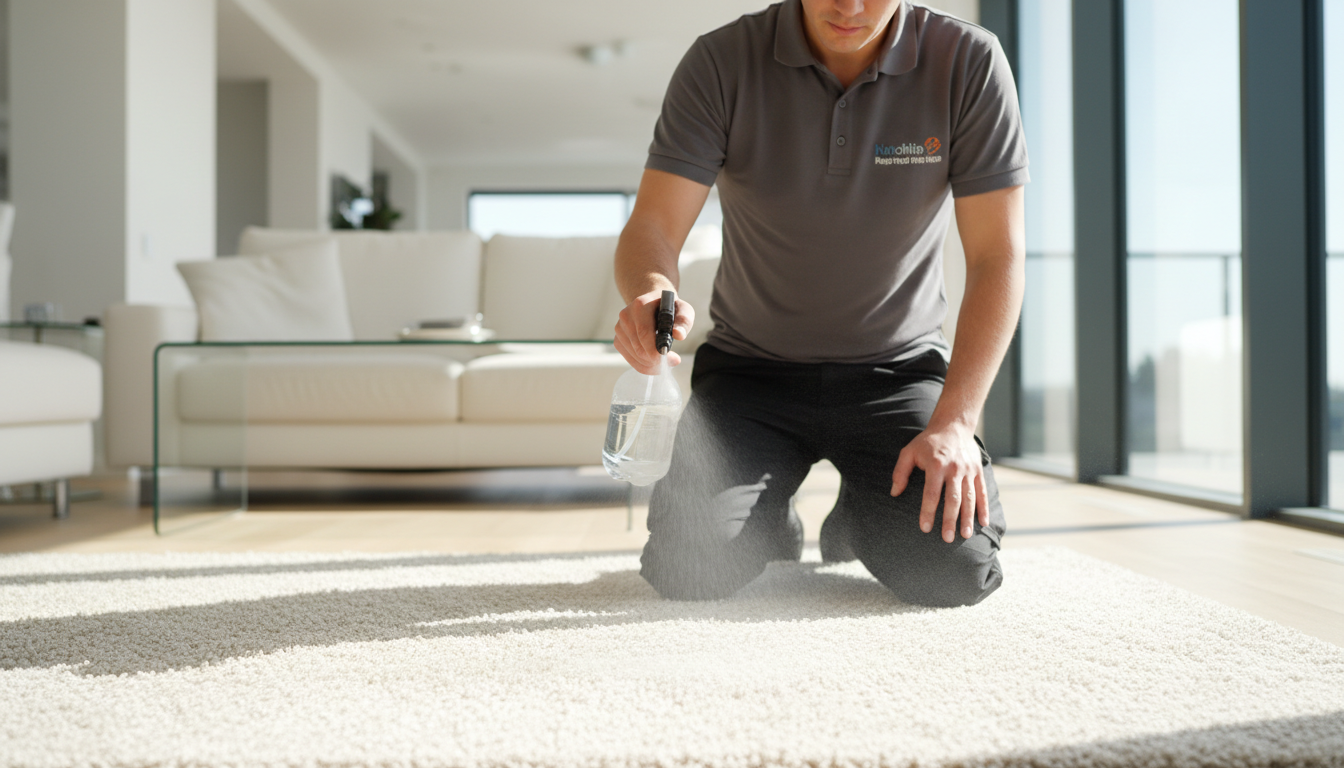
After investing in professional sofa cleaning London residents often ask how to maintain that pristine state against the inevitable return of city dust. The answer lies in the application of advanced nano-technology surface protection. Unlike traditional fabric protectors that create a thick, plastic like film over the surface, nano scale treatments operate at the molecular level. This technology coats each individual fibre with a transparent, ultra thin shield. Because the spaces between the fibres remain open, the fabric retains its natural breathability and soft texture; it avoids the stiff or waxy feel associated with inferior, surface level products.
This treatment creates a powerful hydrophobic effect. When a liquid, such as red wine or coffee, hits the fabric, the protective barrier prevents it from penetrating the weave. Instead, the liquid beads up on the surface, allowing you to blot it away with a paper towel before a permanent stain can form. Beyond liquids, the science of stain-proofing addresses dry soil as well. In a busy urban environment, microscopic dust and tube soot are constant threats. Nano protection prevents these particles from chemically bonding to the textile fibres.
This lack of bonding transforms your weekly maintenance routine. When you vacuum a protected sofa, the suction is far more effective because the dirt is merely resting on the fibres rather than being wedged into the microscopic pores of the material. By reducing the friction and abrasion caused by trapped grit, the coating preserves the fabric's appearance and structural integrity long after the deep clean is completed.
Frequency and Practicality: What to Expect from a Professional Service
Understanding the logistics of a professional visit helps homeowners plan their maintenance schedule effectively. A standard session for a three seater sofa typically requires between one and two hours. This duration allows for a methodical approach, including the targeted pre-spraying of high contact areas to break down oils and the thorough extraction of the accumulated bio-load. Drying times are equally predictable; most synthetic fabrics are touch dry within a few hours, though natural wool blends common in high end furniture usually require a window of four to seven hours to shed moisture completely.
The ideal frequency for sofa cleaning London residents should consider depends heavily on local environment and household activity. For properties in high traffic areas like Chelsea or Camden, where atmospheric soot and particulate matter are more prevalent, an annual deep clean is the recommended baseline. Households with pets, young children, or those living in smaller apartments with restricted ventilation should consider a six month cycle to prevent the buildup of allergens and organic bacteria.
Usage Level | Recommended Frequency | Primary Concern |
|---|---|---|
Low (Single Professional / Guest Room) | Every 18 to 24 Months | Surface dust accumulation |
Moderate (City Centre Apartment) | Every 12 Months | Urban pollution and soot |
High (Families and Pet Owners) | Every 6 Months | Stains and organic bio-load |
While prices for professional upholstery care vary across the city, the cost represents a small fraction of the investment required for a replacement. Maintaining existing furniture avoids the significant expense and logistical headache of disposing of old frames and waiting months for new furniture deliveries. To secure your furniture’s longevity and ensure it remains a healthy part of your home, Contact our London cleaning experts for a tailored assessment of your upholstery needs.
While regular vacuuming is a helpful start for surface maintenance, it often misses the deeper layers of dust and allergens that settle into the fabric. Achieving a truly clean and fresh living space requires a more intensive approach than a standard household machine can provide. If you want expert help to maintain your furniture and ensure its longevity, our team is ready to assist. You can learn more About our professional cleaning solutions and how we support London homes by visiting our dedicated page.