
Effective red wine removal requires immediate blotting with a clean cloth and the application of cold water or baking soda to prevent the liquid from setting. For persistent marks or delicate fabrics, professional red wine stain removal London services use advanced extraction methods to safely restore carpets and upholstery without causing permanent damage.
Few sights are as distressing to a London homeowner as a glass of Cabernet tumbling onto a bespoke wool rug or a cream silk carpet. The deep pigments of red wine bond almost instantly with natural fibers, turning a momentary lapse into a permanent blemish on your interior investment. In a city where property aesthetics and high-end furnishings define the living experience, knowing how to react is critical. This guide provides a professional blueprint for managing red wine emergencies, ranging from immediate stabilization to the treatment of stubborn, dried spills. You will discover why common household remedies often cause more harm than good, how to navigate the specific challenges of delicate natural textiles, and why advanced molecular protection offers a superior alternative to traditional cleaning. We provide the expert clarity required to preserve your home’s most valuable surfaces against the inevitable spill.
The Emergency Protocol: What to Do the Moment Red Wine Hits Your Carpet
When a glass of Cabernet Sauvignon tips over onto your flooring, the first sixty seconds dictate whether the incident ends in a simple cleanup or a permanent mark. Immediate action is required to prevent the liquid from penetrating deep into the carpet backing. The golden rule of emergency spill management is to blot, never rub. Rubbing generates friction and heat, which forces the red wine pigments deeper into the pile and can permanently distort the texture of the fibers.
Use a clean, dry, white microfiber cloth or heavy duty paper towels to absorb the liquid. A white cloth is essential to ensure no dyes from the rag itself transfer onto your flooring. Press down firmly to lift as much moisture as possible, working from the outside of the spill toward the center to prevent the perimeter from expanding.
Many London homeowners instinctively reach for warm water, thinking it will dissolve the stain more effectively. This is a critical error. Heat acts as a catalyst for the natural tannins found in red wine, causing them to bond permanently with the carpet fibers. Always use cold water to dilute the remaining pigment. For residents in Chelsea or Richmond who own high-end wool rugs, these initial moments are even more vital. Wool is a protein based fiber that is naturally more absorbent than synthetic alternatives. If the tannins are allowed to set in these delicate materials, the dye transfer becomes irreversible. While these immediate steps are vital for containment, securing professional carpet stain removal in London is often necessary to ensure the structural integrity of the pile is maintained through carpet, rug, and upholstery cleaning services.
Why Red Wine Stains Are a Unique Challenge for London Homes
Red wine contains anthocyanins, the pigments responsible for the deep reds and purples in the glass. These organic dyes are exceptionally potent. When coupled with tannins, which are naturally occurring polyphenols that act as a mordant or bonding agent, the mixture creates a high quality dye. This chemistry explains why red wine bonds so aggressively to carpet fibres, essentially dyeing the floor rather than just sitting on top of it.
The challenge varies significantly across different London postcodes. In Canary Wharf, modern apartments often feature synthetic nylons or polyesters. While these are less absorbent than natural materials, the high surface tension of synthetic fibres can cause the wine to travel horizontally, leading to a much larger stain diameter if not contained. Conversely, in the Victorian terraces of Hampstead, homeowners often have traditional wool rugs or high end natural blends. Wool is protein based and porous, meaning it draws the liquid into the very core of the fibre, where the tannins can form a permanent bond with the natural proteins.
Adding to the difficulty is London's hard water. When attempting DIY cleaning, the high calcium and magnesium content in local tap water can react with the wine and household detergents. If the moisture is not extracted properly, these minerals can leave behind a stubborn residue that attracts more dirt, complicating future red wine stain removal London efforts. This underscores the need for advanced nano-technology surface protection to prevent these chemical bonds from forming in the first place.
How to Remove Dried Red Wine Stains From Carpet the Next Day
Discovering a dried red wine stain the morning after a social gathering is a common frustration for London hosts. Once the liquid evaporates, the anthocyanins and tannins are no longer merely sitting on the surface; they have effectively completed a dyeing process within the fibres. A question many homeowners ask is, "Can you get out a red wine stain after it's dried?" The answer is yes, but it requires professional grade chemistry to break the bond between the pigment and the pile without causing permanent damage to the material.
For a DIY attempt on set-in stains, two methods are generally effective for synthetic carpets. The first involves mixing one tablespoon of white vinegar and one tablespoon of liquid dish soap with two cups of cold water. The acidity of the vinegar helps to loosen the tannin bonds. Alternatively, the baking soda paste method involves mixing a three to one ratio of water to baking soda, applying it to the stain, and allowing it to dry completely before vacuuming.
Method | Ingredients | Best For |
|---|---|---|
Vinegar Solution | White vinegar, dish soap, cold water | Breaking down acidic tannins |
Baking Soda Paste | Baking soda, water | Pulling pigment out of the pile |
Professional Extraction | Specialized pH-neutral agents | Deep, set-in stains and delicate fibres |
Extreme caution is required regarding moisture levels. In many London flats where natural ventilation is limited, there is a significant risk of over-saturating the carpet. If water reaches the underlay and cannot dry quickly, it can lead to cellulosic browning or the development of mold. If the stain does not respond to a light application, continuing to soak the area will only worsen the structural risk to your flooring. This is why professional carpet stain removal in London is often the safest route for dried spills, as it utilizes carpet, rug, and upholstery cleaning services that include controlled moisture extraction. Attempting to scrub a dried stain usually results in "fuzzing" or permanent distortion of the carpet pile, a mistake that is far more costly to repair than a professional cleaning session.
The Wool Rug Dilemma: Special Care for Natural Fibres
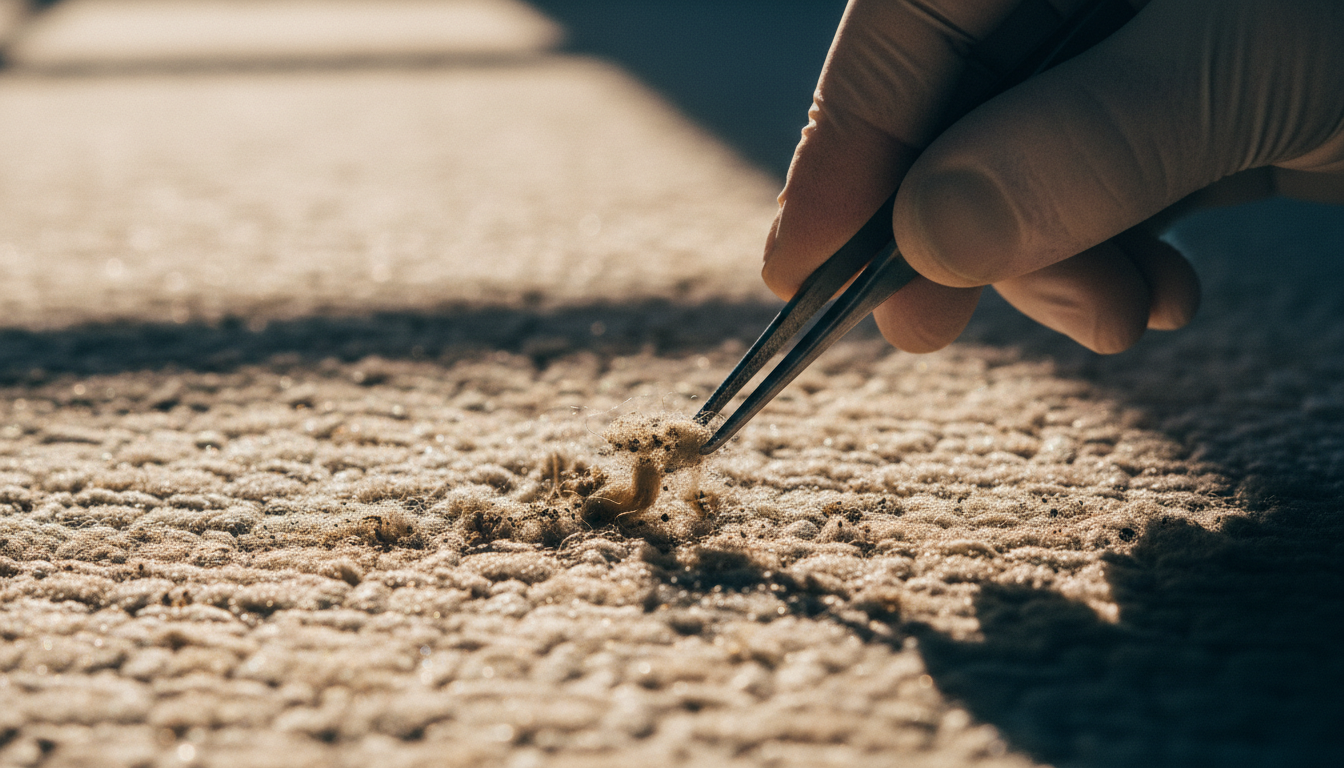
Natural fibres, particularly wool found in high end Oriental or Persian rugs, present a significantly higher risk profile during a red wine spill than synthetic alternatives. Unlike nylon or polyester, which are extruded polymers designed to repel moisture, wool is a complex protein based fibre. Its microscopic structure includes a porous cortex that naturally wicks liquids deep into the heart of the yarn. This high level of absorbency means that red wine pigments are not merely resting on the surface; they are being integrated into the rug’s structural DNA within minutes.
The chemical composition of wool makes it exceptionally vulnerable to common household cleaning agents. Many DIY guides suggest using hydrogen peroxide or chlorine based bleaches to lift the colour. On wool, these substances act as corrosive agents. Because wool is composed of keratin, the same protein found in human hair, harsh oxidizers can dissolve these natural proteins. This leads to fibre degradation, causing the rug to become brittle, lose its luster, or develop permanent bald spots. This structural damage is irreversible and far more detrimental to the value of the piece than the stain itself.
Preserving the value of an antique or designer rug requires a specialized approach. NanoDefence provides expert carpet, rug, and upholstery cleaning services tailored to these delicate materials across London. Our technicians utilize pH balanced solutions that neutralize the acidity of the wine without compromising the integrity of the natural lanolin or protein bonds. By choosing professional carpet stain removal in London, you ensure that specialized extraction techniques lift the pigment while maintaining the rug’s density and hand feel. This level of care is essential for investment grade floor coverings, ensuring that the advanced nano-technology surface protection eventually applied has a pristine foundation to bond with.
Why Professional Red Wine Stain Removal Outperforms DIY Methods
DIY methods like applying salt or baking soda often create a false sense of security. While salt may absorb surface moisture, it does nothing to neutralize the acidic tannins that bond with fibers; in fact, salt crystals can become abrasive, damaging the pile during subsequent cleanup attempts. In contrast, NanoDefence utilizes specialized pH-neutralizing agents specifically engineered to break those chemical bonds without altering the carpet's original dye. This chemical precision ensures that the red pigment is released rather than just hidden or spread across the textile.
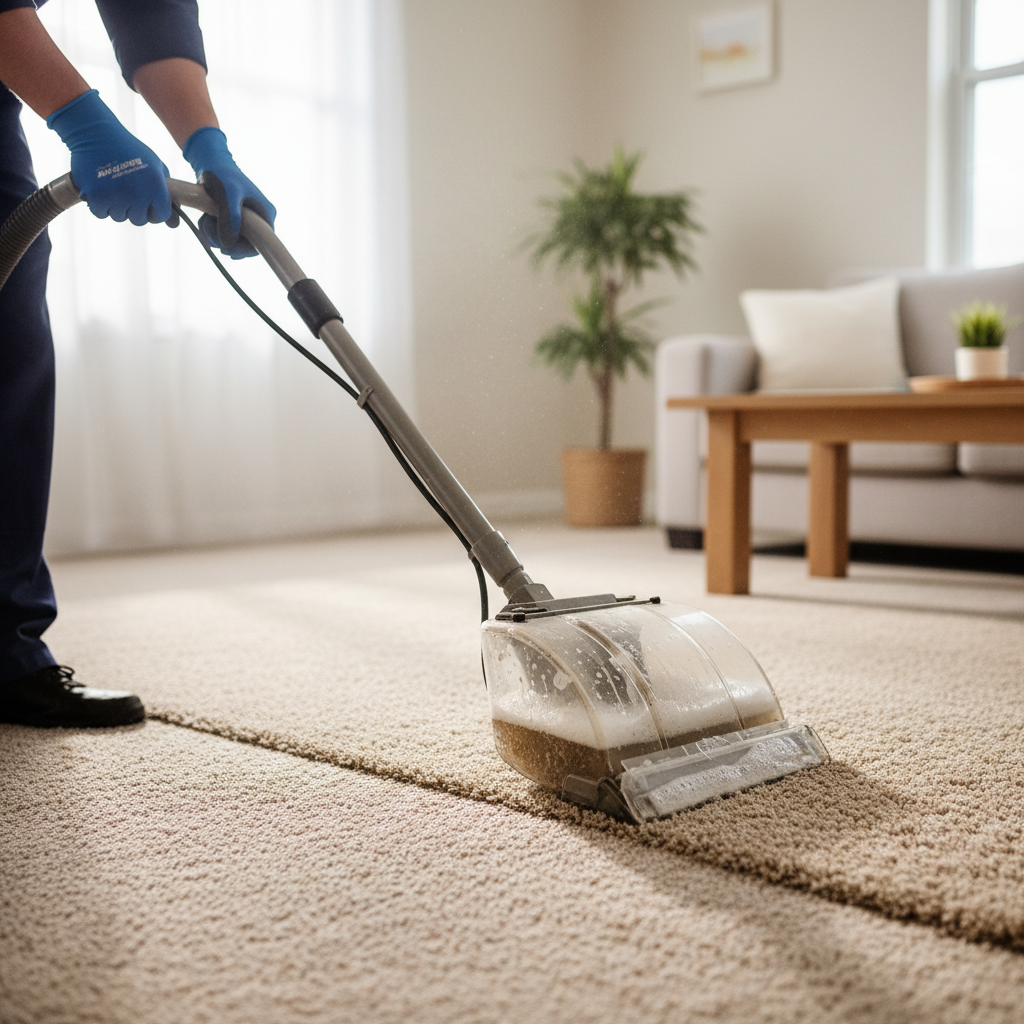
The core advantage of a professional approach lies in the deep extraction method. Standard household vacuums or manual blotting cannot reach the base of the pile or the underlay where wine often pools and stagnates. Our industrial equipment uses controlled pressure and high-volume suction to flush the fibers, removing the wine and the cleaning solution simultaneously. This process prevents the wicking effect, where a stain seems to disappear only to reappear days later as subsurface moisture travels back to the surface through capillary action.
When considering professional carpet stain removal in London prices, it is essential to view the service as asset protection. Replacing high-quality carpeting or bespoke rugs in a central London property can cost thousands of pounds. Professional carpet, rug, and upholstery cleaning services restore the aesthetic and structural value of your flooring for a small fraction of that cost. By eventually employing advanced nano-technology surface protection as part of a systematic restoration, we ensure that the initial investment in your interior design is preserved against future accidents.
Beyond Cleaning: Preventing Future Stains with Nano-Technology
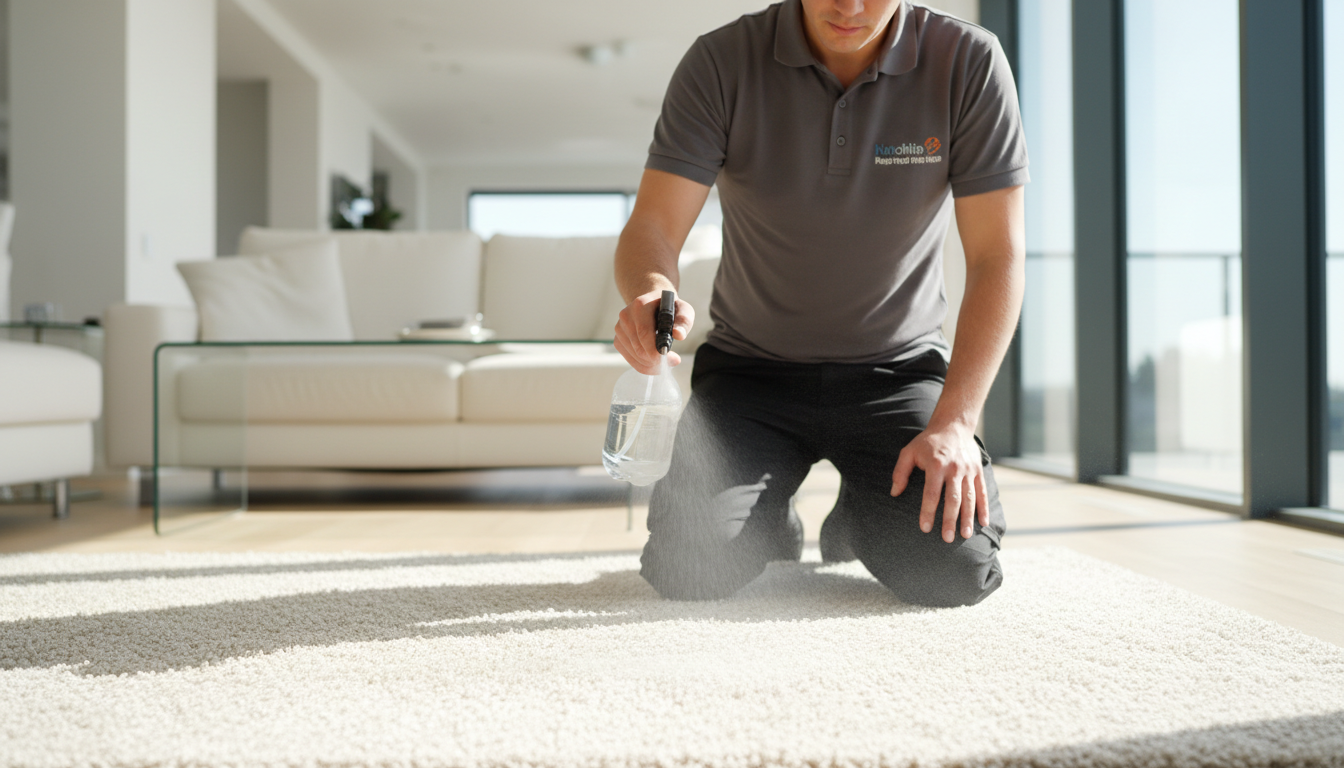
While professional extraction restores your flooring after an accident, the most effective strategy for London households involves proactive prevention. NanoDefence utilizes advanced nano-technology surface protection to shift the focus from reactive cleaning to long-term preservation. This treatment operates at a molecular level, bonding with individual carpet fibres to create an invisible, breathable, hydrophobic barrier.
Unlike traditional topical treatments that can leave a stiff residue, this technology does not alter the texture or appearance of the pile. Instead, it significantly increases the surface tension of the material. When red wine hits a treated surface, the liquid is unable to penetrate the fibre; it remains in a spherical bead, sitting on top of the carpet where it can be effortlessly absorbed with a paper towel. This beading effect represents the secret to stress-free London living, allowing hosts in high-traffic areas like Mayfair or Marylebone to enjoy social gatherings without the constant anxiety of a permanent spill.
Our Nano Carpet Protection London service is an essential final step following our carpet, rug, and upholstery cleaning services. By sealing the fibres, we ensure that the results of professional carpet stain removal in London are maintained, providing a reliable insurance policy against the tannins and dyes that typically define a ruined evening.