Most households should have their carpets professionally cleaned every 12 to 18 months to maintain hygiene and prolong the life of the fibers. However, homes with pets, children, or allergy sufferers may require deep cleaning every 3 to 6 months to manage high foot traffic and remove trapped allergens effectively.
You might look at your carpets and see no visible stains, yet they feel lackluster and heavy underfoot. In a city like London, where urban dust and fine particulate matter are constant guests, waiting for a visible spill to call the professionals is a tactical mistake. Traditional cleaning cycles often ignore the science of fiber degradation and the accumulation of microscopic pollutants; this lack of foresight leads to flat, dull pile that no longer bounces back. In this guide, we provide a realistic framework for professional maintenance based on your specific lifestyle and the unique demands of the city environment. You will discover why the sensory fresh feel is a more accurate metric than a fixed calendar date. We also explore the science of fiber fatigue and how advanced nano-protection can effectively double the interval between your professional deep cleans.
Beyond the Calendar: Why London Homeowners Should Chase the Fresh Feel Instead of a Date
Standard industry guidance, such as that provided by the NCCA, typically suggests a professional deep clean every 12 to 18 months. While this serves as a useful baseline for the average suburban household, it rarely accounts for the specific environmental pressures of London living. The capital’s high density, unique urban pollutants, and the relentless pace of city life mean that a rigid calendar approach often leads to carpets that feel depleted and flat long before their scheduled service.
Instead of relying on an arbitrary date, we encourage homeowners to manage the Freshness Lifecycle. This concept focuses on the duration of that specific, just-cleaned sensation where fibers are resilient and the indoor air feels crisp. In a busy Victorian terrace or a central apartment, the abrasive grit of London dust can degrade this feeling in as little as six months. When asking how often should carpets be professionally cleaned, the answer depends less on the month and more on how effectively the fibers are protected. While standard professional carpet cleaning services restore the appearance, they often leave the carpet vulnerable to immediate re-soiling. By utilizing advanced nano-technology surface protection, you can fundamentally alter this cycle, extending that peak freshness well beyond the limits of traditional steam cleaning. If your carpets have lost their bounce, you can contact our London team to restore the standard your home deserves.
The Science of the First Day Feeling: Why Carpets Lose Their Bounce
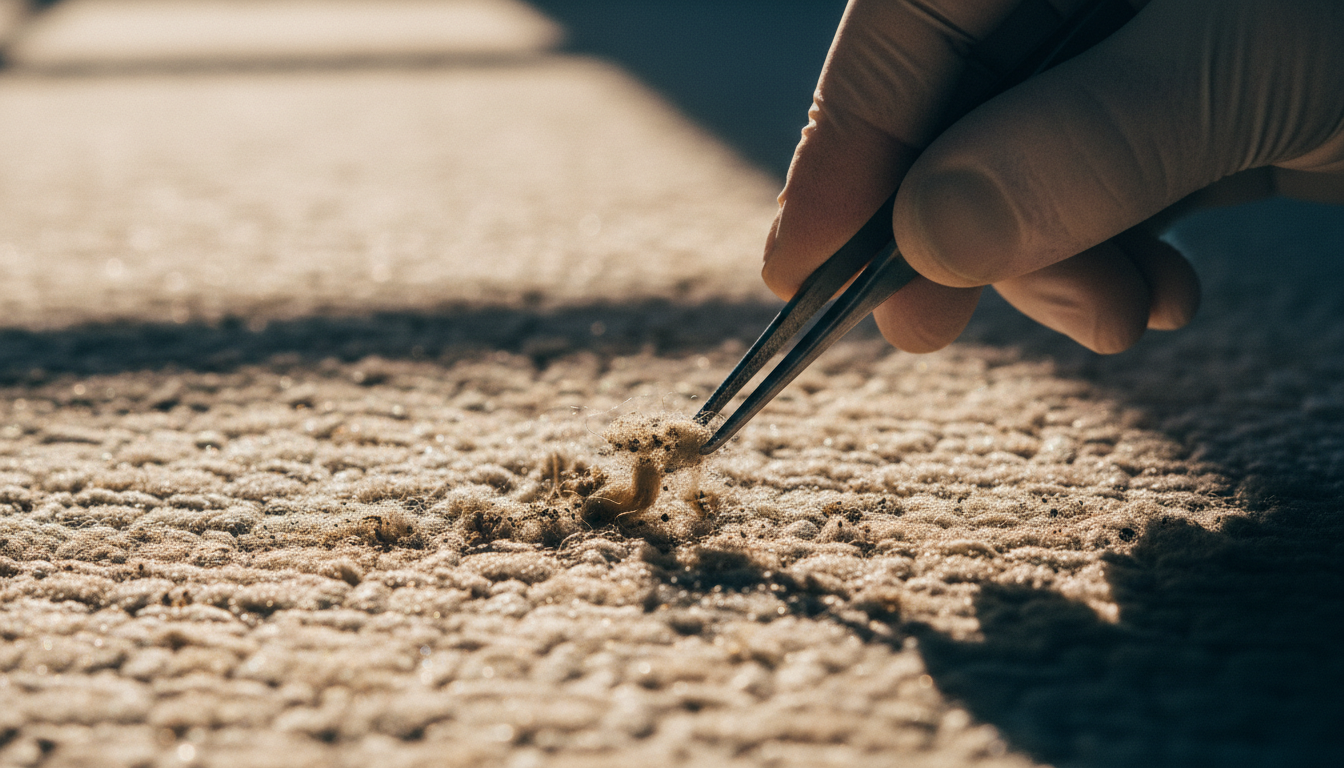
True freshness is a physical state where carpet fibers stand upright, unburdened by the weight of oils or the compaction of foot traffic. It is defined by a lack of microscopic grit at the base of the pile and a completely neutral, crisp scent. In London, maintaining this state is a constant battle against specific urban pollutants that are far more aggressive than standard household dust.
Soot from high-traffic arteries like the A1 or the South Circular consists of greasy, carbon-based particles that bond to fibers on contact. Similarly, the ubiquitous "tube dust," a fine, metallic powder unique to the capital, drifts into homes and settles deep within the pile. When homeowners ask how often should carpets be professionally cleaned, they are often focused on visible spots or spills. However, the primary catalyst for cleaning should be the invisible abrasive action occurring at the base of the carpet.
Every time you walk across a carpet, microscopic grit acts like tiny serrated blades. This grit, often composed of silica and urban pollutants, cuts into the synthetic or wool strands under the pressure of your weight. This process causes "shading" or "pooling," where the fibers no longer reflect light correctly because they have been physically scarred.
Pollutant Type | Source | Impact on Carpet |
|---|---|---|
Urban Soot | Road traffic (A1, South Circular) | Oily bonding, rapid dulling of colors |
Tube Dust | Underground network | Heavy, metallic particles that sink to the backing |
Microscopic Grit | General foot traffic | Abrasive "sandpaper" effect that shears fibers |
Because this structural damage is permanent, waiting for a carpet to look soiled is often waiting too long. By the time the surface appears grey, the base is likely packed with sharp debris that compromises the professional carpet cleaning services you eventually commission. Realizing that "dirty" is a mechanical issue, not just an aesthetic one, is the first step in protecting your flooring investment.
How Often Should Carpets Be Professionally Cleaned? (The Realistic Lifestyle Guide)
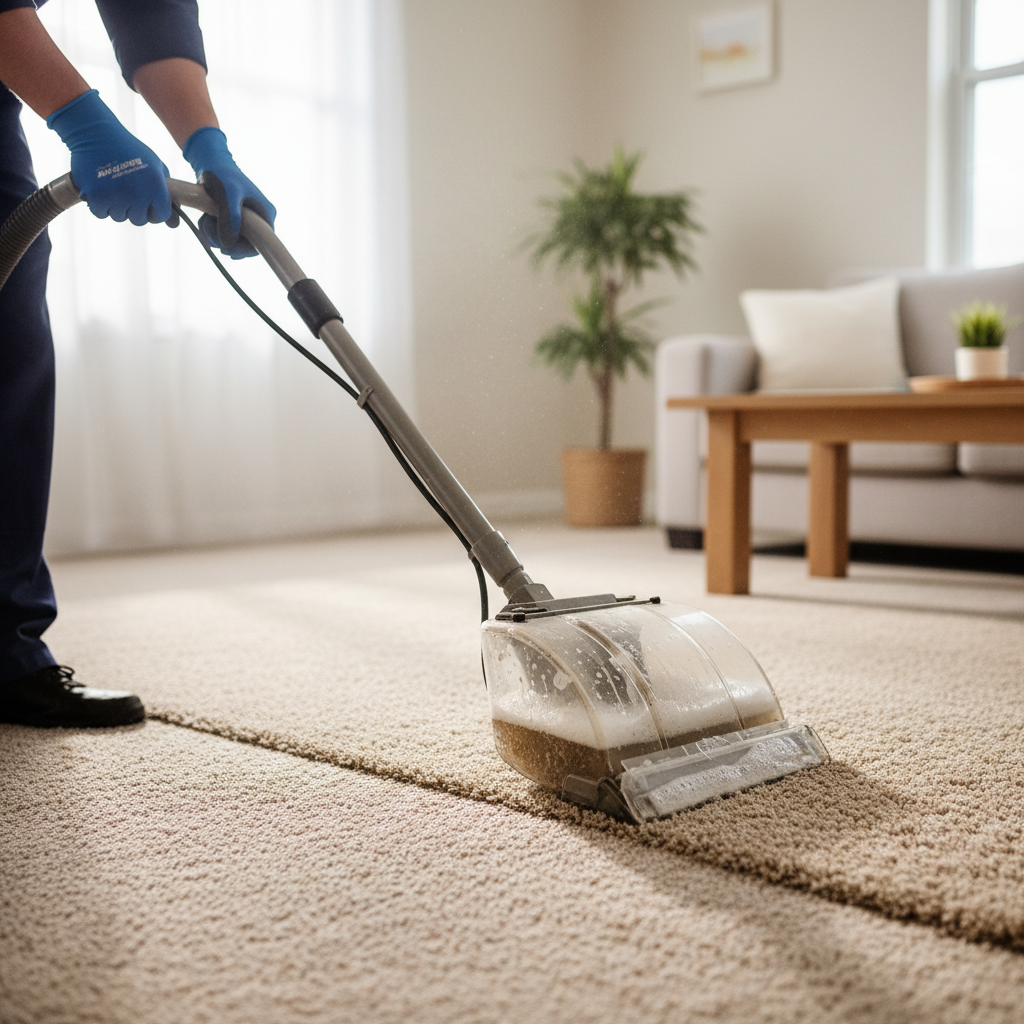
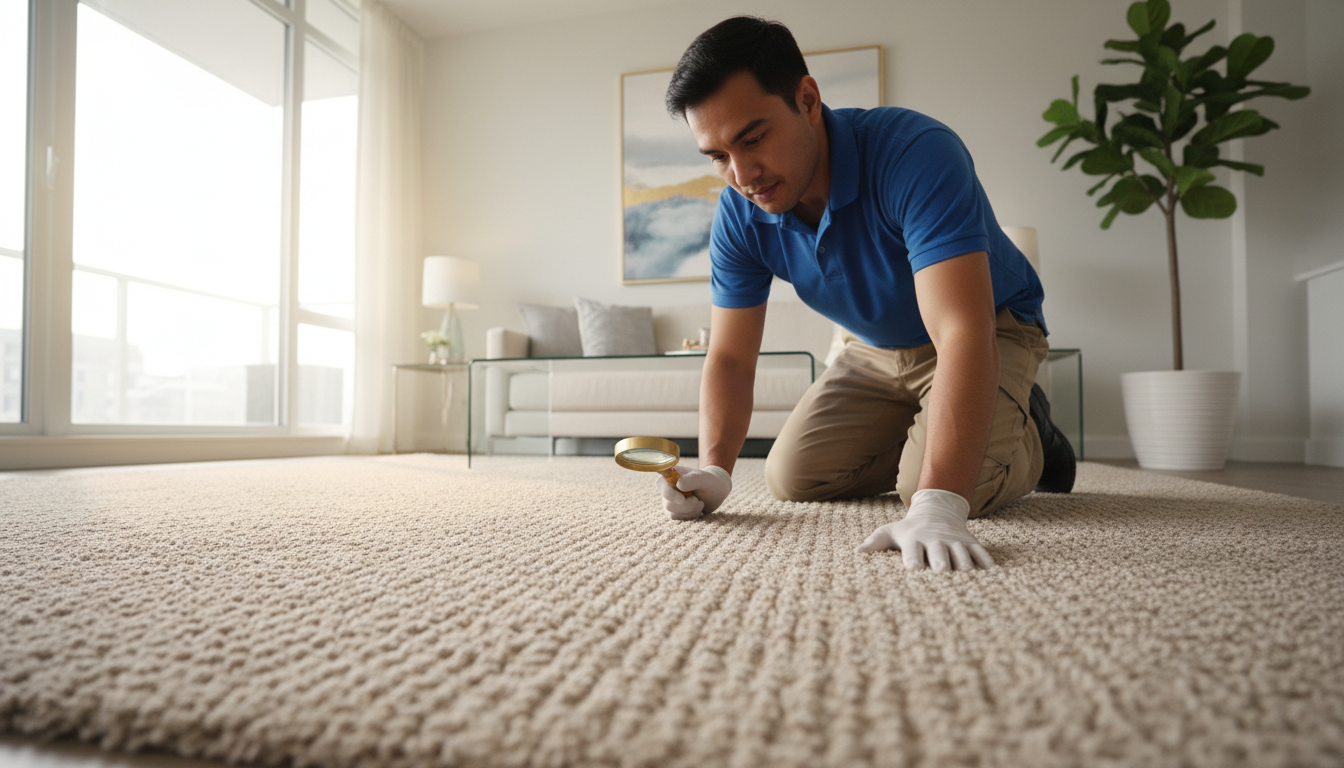
Determining the ideal interval for deep cleaning requires a shift from arbitrary timelines to a lifestyle-centric audit. A blanket recommendation fails to account for the difference between a high-rise balcony apartment and a Victorian terrace near a park. If you reside in green, leafy areas like Richmond or Hampstead, your carpets act as a filter for organic debris. Pet owners in these neighborhoods, frequently returning from muddy walks on the Heath or the Thames Path, should schedule professional carpet cleaning services every 6 to 9 months. This frequency addresses not just the visible mud, but the biological allergens and bacteria that thrive in damp, natural fibers.
Conversely, a professional living in a Canary Wharf apartment may see very little foot traffic, yet the environmental load is different. In these environments, fine urban soot and atmospheric pollutants settle silently. Even with minimal use, these carpets should be professionally addressed every 12 to 18 months. The goal here is the removal of the metallic tube dust and oily residue that causes fibers to go flat and lose their luster. When evaluating how often should carpets be professionally cleaned, consider the following breakdown:
Lifestyle Profile | Recommended Frequency | Primary Driver |
|---|---|---|
Pet Owners (e.g., Richmond, Hampstead) | 6 - 9 Months | Mud, dander, and biological bacteria |
Families with Young Children | 6 - 12 Months | Spills, food particles, and hygiene |
Urban Professionals (e.g., Canary Wharf) | 12 - 18 Months | Urban soot and atmospheric dust |
Allergy Sufferers | 3 - 6 Months | Pollen, dust mites, and air quality |
There is a common strain of skepticism found on forums like Reddit, where some homeowners boast of waiting ten years without a professional clean. While a carpet might look acceptable to the untrained eye after a decade, the mechanical reality is that the backing is likely compromised. The cost of premature carpet replacement, often running into thousands of pounds for quality wool or synthetic blends, far outweighs the modest investment in regular maintenance. Using advanced nano-technology surface protection can help bridge these gaps, but the removal of abrasive grit remains essential. If you are unsure which category your home falls into, you can contact our London team for a specific assessment based on your postcode and property type.
The Nano-Protection Hack: How to Double the Time Between Professional Cleans
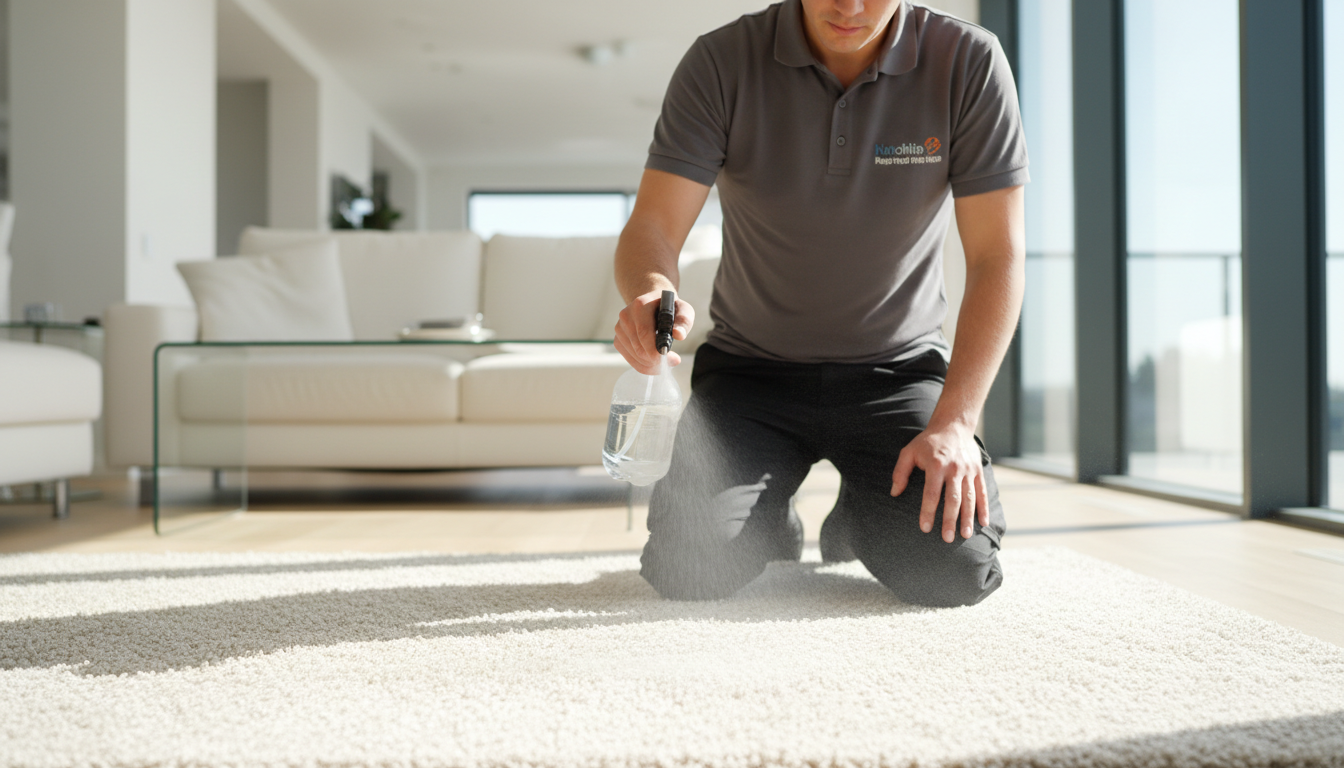
Traditional steam cleaning is an essential reset, but on its own, it leaves carpet fibers porous and vulnerable. This open state is often why carpets seem to attract dirt faster immediately after a service, a phenomenon known as re-soiling. To solve this, we utilize advanced nano-technology surface protection to seal each individual fiber at a molecular level. Unlike topical treatments that simply sit on top of the pile and wear away quickly, our nano-coating bonds to the material to create an invisible, hydrophobic barrier.
This technology fundamentally changes the calculation of how often should carpets be professionally cleaned. By preventing liquids, oils, and London soot from penetrating the fiber core, the contaminants remain suspended on the surface. For a savvy homeowner, this means a domestic vacuum cleaner is finally able to do its job effectively. Instead of only picking up surface fluff while abrasive grit remains trapped deep in the backing, you can remove the majority of dry soil before it causes structural damage.
Feature | Standard Professional Clean | Nano-Protected Service |
|---|---|---|
Fiber Condition | Porous and exposed | Sealed at molecular level |
Soil Resistance | Low (attracts oils) | High (hydrophobic barrier) |
Vacuum Efficiency | Surface level only | Deep grit removal possible |
Freshness Duration | 6 - 12 Months | 12 - 24 Months |
By effectively doubling the interval between deep extractions, this approach serves as a significant time and money saver. You maintain that premium, bouncy sensation for much longer without the disruption of frequent appointments. If you want to move beyond the cycle of constant re-soiling and protect your flooring investment, contact our London team to learn more about our professional carpet cleaning services and specialized coatings.
Why Does My Carpet Look Dirtier After Shampooing? (The DIY Residue Trap)
Many homeowners find themselves trapped in a cycle where their floor looks worse just weeks after a DIY attempt. This phenomenon occurs because retail rental machines and domestic shampooers often lack the industrial suction and temperature control needed to fully extract cleaning solutions. When high-alkaline detergents remain in the pile, they create a sticky residue that acts as a chemical magnet for London street grime and soot. Instead of the fibers being clean, they become coated in a microscopic layer of soap that actively pulls new dirt from your shoes and the air.
This residue is also responsible for the crunchy or stiff texture often felt after a home clean. In contrast, our professional carpet cleaning services utilize a systematic extraction process that neutralizes and removes all chemical agents. When determining how often should carpets be professionally cleaned, the risk of DIY re-soiling is a major factor; a poorly executed shampooing can force a deep clean much sooner than necessary. By following our extraction with advanced nano-technology surface protection, we ensure the fibers are not only clear of soap but sealed against future contaminants. This professional approach prevents the residue trap, keeping your home fresher for significantly longer than a domestic rental can achieve. If you are struggling with a carpet that seems to attract dirt, you can contact our London team to reset your flooring correctly.
Local Indicators: When the London Environment Signals a New Deep Clean
London’s environment provides subtle, sensory cues that a deep clean is overdue. In a Victorian terrace, the most common indicator is greying at the thresholds of rooms. This occurs when local soot and street grit accumulate in high-traffic doorways, creating a visible contrast against the protected corners of the room. Another sign is a persistent, slightly musty odor that becomes more noticeable after a rainy London week. This scent often signals that atmospheric moisture has reactivated deep-seated organic particles or urban pollutants trapped in the backing.
Texture also serves as a reliable guide. If your pile feels stiff or crunchy underfoot, it may be due to London’s hard water minerals being tracked in from wet pavements and drying into the fibers. These minerals act like a binding agent for dust. When assessing how often should carpets be professionally cleaned, ignore the calendar and look for these local markers. If your floor has lost its tactile softness or exhibits dark traffic lanes, our professional carpet cleaning services can restore the balance. Combining extraction with advanced nano-technology surface protection ensures these urban stressors have less impact in the future. For a bespoke assessment, you can contact our London team today.
Is It Worth Having Your Carpets Professionally Cleaned if They Look Fine?
Homeowners often delay booking a service because their flooring appears visually acceptable. However, waiting for visible staining overlooks the critical role carpets play as the largest air filter in a London property. In a city where indoor air quality is frequently compromised by high ambient pollution, carpets act as a sink for fine particulates. By the time a pile begins to show signs of darkening, the base of the fibers is already saturated with microscopic contaminants, including human skin cells, dust mite excrement, and urban soot.
These pollutants are trapped beyond the reach of a domestic vacuum, circulating into the breathing zone with every footstep. When considering how often should carpets be professionally cleaned, it is helpful to view the process as a health service rather than a cosmetic luxury. Our professional carpet cleaning services remove these invisible hazards from the backing, while advanced nano-technology surface protection ensures the filter remains efficient and easier to maintain. To prioritize your home’s air quality and long-term hygiene, contact our London team to schedule a deep extraction.