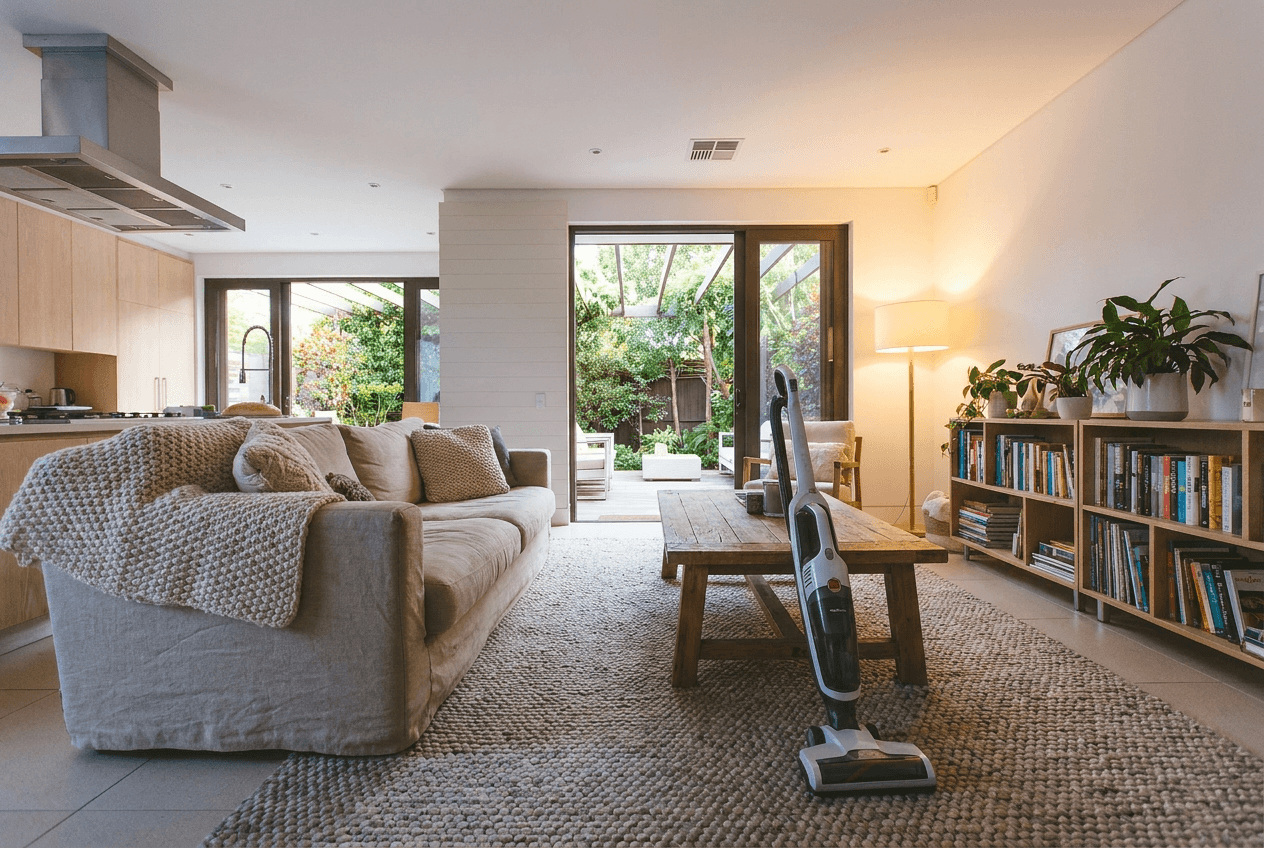
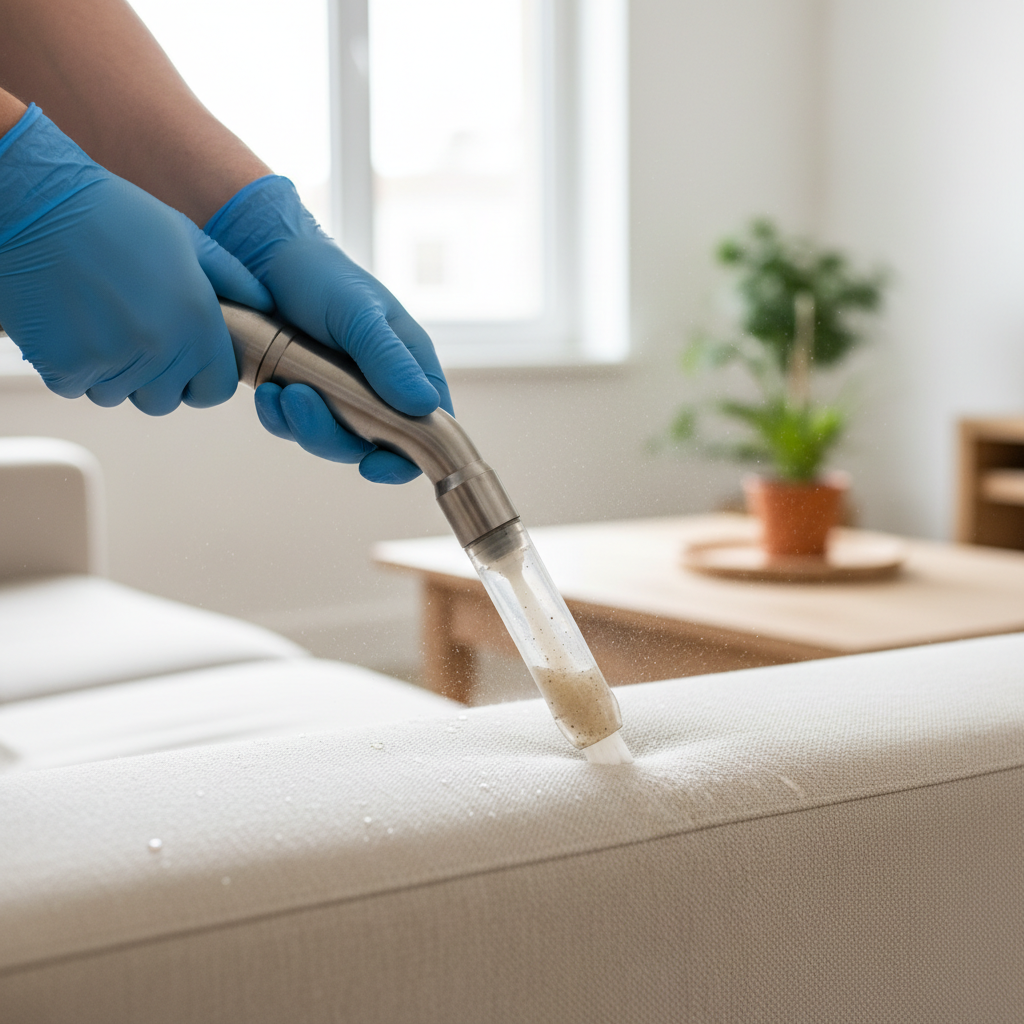
Sofas often harbor dust mites, skin cells, and allergens that can trigger respiratory issues and impact overall household health. Investing in professional upholstery cleaning London ensures these hidden contaminants are thoroughly removed; this practice maintains a hygienic environment and extends the lifespan of your furniture.
Your sofa is the centerpiece of your London home, yet it often functions as a massive, silent filter for urban pollutants. Behind the visible surface of every cushion lies a complex ecosystem of dust mites, bacteria, and microscopic particulates that thrive in the capital’s unique environment. This accumulation is more than a cosmetic issue; it directly impacts the air quality of your living space and the health of your household. In a city where soot and smog are constant companions, traditional vacuuming barely scratches the surface of what is truly embedded within the fabric. This guide explores the biological reality of modern upholstery and explains how London’s environment accelerates fiber degradation. You will learn to identify the risks lurking in your home, understand why DIY methods often fail, and discover why professional maintenance is a critical investment in both furniture longevity and your family's well-being.
The Hidden Life of a London Couch: More Than Just Crumbs
Walk into a well-appointed living room in Kensington or a sleek apartment in Canary Wharf, and the centerpiece is likely a high-quality sofa. It looks immaculate, yet beneath the surface, a different story unfolds. While Londoners frequently debate how often to change bedsheets on forums like Reddit, the furniture where they spend the majority of their time is often neglected for years.
This neglect creates what we call the 'urban sofa'. In a city defined by high-density living and constant movement, your furniture acts as a massive, passive air filter. It captures fine particulates from the London Underground, often called 'tube dust', alongside skin cells, pet dander, and outdoor pollutants brought in from the street. Unlike a dedicated ventilation filter that is replaced regularly, sofa fabrics hold onto these contaminants, allowing them to accumulate deep within the weave.
Every time you sit down, these trapped particles are disturbed, circulating back into your breathing zone. Investing in professional upholstery cleaning services is not just about removing a stray tea stain; it is about addressing this invisible build-up. While Nano-technology surface protection helps prevent future embedding, the current state of an uncleaned sofa often demands deep extraction. Recognizing that upholstery cleaning London homes requires a specialized approach to urban pollutants is the first step toward true interior hygiene.
Microscopic Tenants: Identifying the Dust Mites and Bacteria in Your Upholstery
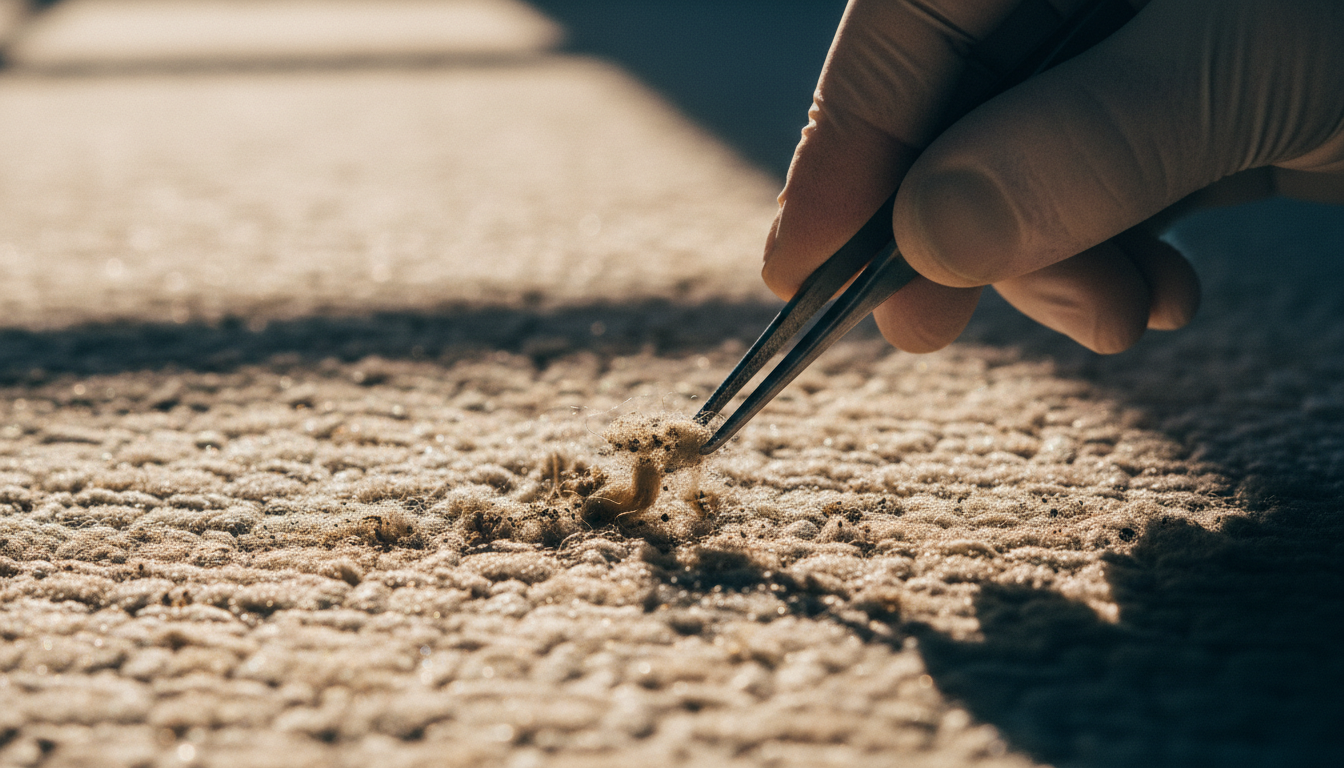
While the visible soot and urban dust mentioned previously are concerning, the biological activity within the cushions is arguably more significant for your health. Research from Allergy UK suggests that the average home is a sanctuary for house dust mites, microscopic arachnids that do not bite but produce potent allergens. According to NHS data, these creatures survive primarily on human dander, the tiny scales of skin we shed daily. Because a single person can shed enough skin to feed millions of mites, a sofa that hasn't seen professional upholstery cleaning services in years effectively becomes a massive, self sustaining ecosystem.
Beyond these microscopic insects, uncleaned upholstery serves as a reservoir for diverse bacteria and fungal spores. The dark, warm gaps between cushions and the interior foam provide the ideal environment for pathogens to thrive. In London, this issue is exacerbated by local climate conditions. The city's relatively high humidity levels, particularly in period properties with traditional ventilation, often lead to moisture retention within deep padding. This trapped moisture, combined with warmth, encourages mold growth that remains invisible to the naked eye.
Occupant | Primary Source | Impact on Home |
|---|---|---|
Dust Mites | Human skin scales (dander) | Allergic reactions and respiratory irritation |
Bacteria | Skin contact, pets, and food spills | Potential for infection or unpleasant odors |
Fungal Spores | Atmospheric moisture and damp padding | Mold growth and degradation of internal foam |
Surface vacuuming might remove top level debris, but it lacks the suction power to reach the core of the furniture where these colonies reside. Without deep extraction, these biological tenants continue to multiply, contributing to poor indoor air quality. Ensuring regular upholstery cleaning London standards are met is the only way to physically remove this biomass rather than just shifting it around the fabric surface.
The London Factor: How Urban Pollution Affects Your Furniture
The biological activity described previously is compounded by a specifically urban phenomenon: London Soot. If you commute via the London Underground, your clothing acts as a conduit for tube dust. This substance is a complex mixture of iron oxide from rail friction and carbon particles from braking systems. These microscopic, metallic shards settle deep into the pile of your furniture, far beyond the reach of a domestic vacuum cleaner.
Once embedded, these particles act as tiny abrasives. Every time someone sits down, the pressure forces these sharp edges against the fabric fibers. This mechanical friction causes the material to fray at a microscopic level, leading to thinning and premature wear that cannot be reversed. The intensity of this build-up varies significantly by postcode. A residence in a leafy suburb like Richmond may primarily contend with organic pollen and skin cells. Conversely, an apartment in high-traffic zones of East London or along the North Circular faces a constant influx of particulate matter.
For these high-exposure properties, professional upholstery cleaning London services are a maintenance necessity rather than a luxury. Utilizing Nano-technology surface protection after a deep clean provides a barrier against these industrial pollutants, preventing them from bonding with the fibers and extending the lifespan of the furniture. This process is equally vital for commercial office cleaning, where high footfall introduces higher concentrations of urban pollutants daily.
Health Implications: Why Upholstery Cleaning London Homes is Not Just for Aesthetics
The accumulation of urban pollutants and biological matter within fabric fibers transitions a piece of furniture from a comfort item to a health risk. When these contaminants become airborne through daily use, they can trigger or exacerbate chronic conditions such as asthma, eczema, and allergic rhinitis. A common concern for homeowners is how to tell if dust mites have reached problematic levels in their furniture. Clinical indicators often include persistent sneezing, itchy eyes, or skin rashes that worsen shortly after sitting down or reclining on the fabric.
NHS guidelines for managing allergies recommend reducing dust mite levels in the home as a priority for symptom control. While domestic vacuuming provides a superficial fix, professional upholstery cleaning services are required to reach the depths where allergens and waste particles congregate. This is particularly critical for households with small children or pets, who interact with sofa surfaces at a much closer range than adults and are more susceptible to the bio-burden trapped in the weave.
By removing the biological triggers rather than just the visible stains, upholstery cleaning London standards ensure a truly sanitized living space. Utilizing Nano-technology surface protection following this deep extraction creates a barrier that prevents these microscopic irritants from re-establishing themselves within the core padding, protecting your family’s respiratory health over the long term.
Frequency Guide: How Often Should a London Sofa Be Professionally Cleaned?
Determining the correct interval for upholstery cleaning London properties depends on your specific environment and lifestyle. For a standard household in a residential area, we recommend a baseline of every 12 to 18 months. This frequency manages the steady accumulation of organic matter before it becomes a breeding ground for microorganisms.
However, London's unique environmental pressures often require a more aggressive maintenance schedule. If your home includes pets, small children, or residents with allergies, the frequency should increase to every 6 months. The same bi-annual standard applies to commercial office cleaning, where high footfall introduces a continuous stream of urban particulates.
Household Profile | Recommended Cleaning Frequency |
|---|---|
Standard Residential (No pets/allergies) | Every 12 - 18 months |
Households with Pets or Allergy Sufferers | Every 6 months |
High-Footfall London Offices | Every 6 months |
Post-Illness or New Rental Move-in | Immediate / Trigger-based |
Specific trigger events also necessitate calling for professional upholstery cleaning services outside of your regular schedule. Moving into a new London rental is critical, as it ensures you are not living with the biological legacy of previous occupants. Following a period of household illness, deep extraction is necessary to sanitize the fabric surfaces thoroughly. Furthermore, if the furniture is treated with Nano-technology surface protection, maintaining these intervals ensures the barrier remains effective against the abrasive soot characteristic of the city.
The DIY Trap: Why Home Steamers and Sprays Often Fail
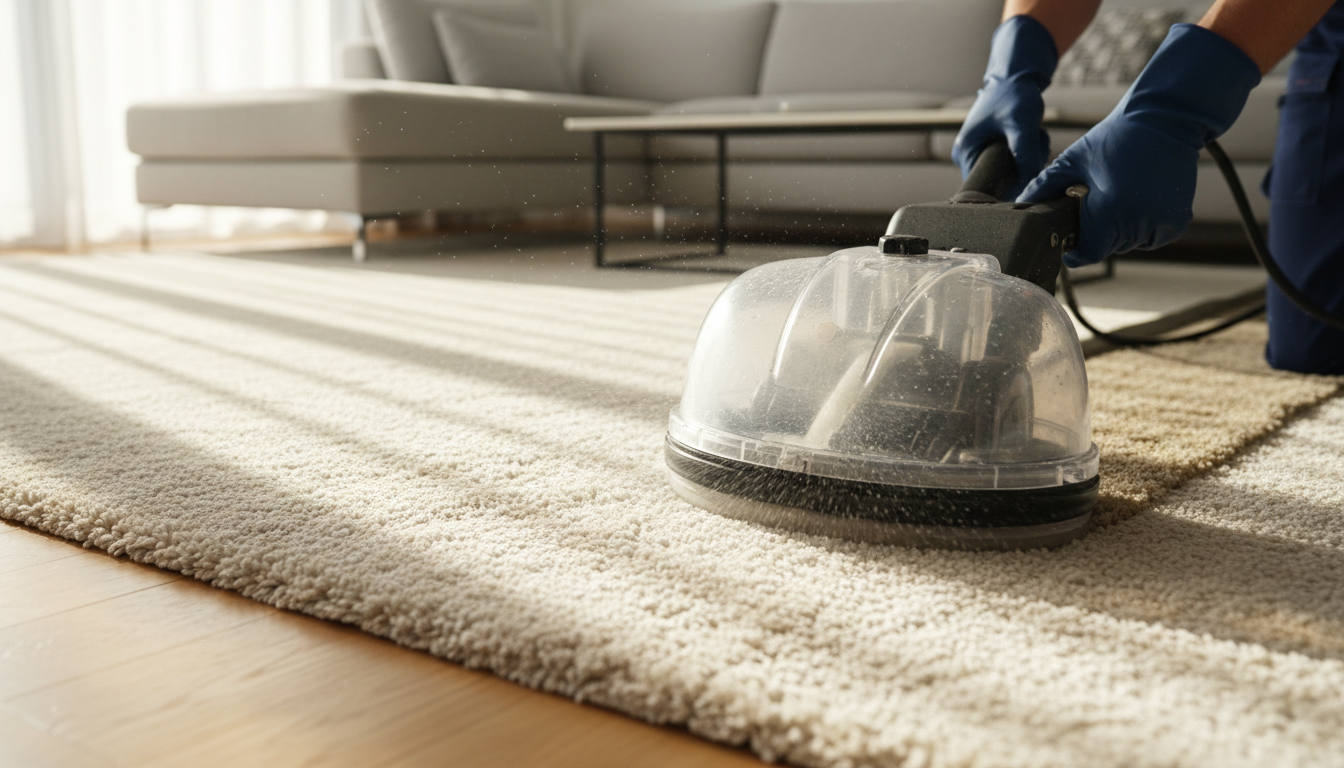
While adhering to a maintenance schedule is vital, the method of execution determines whether you are cleaning the furniture or inadvertently damaging it. Many London residents attempt to address urban soot using rental supermarket machines or consumer-grade sprays. These tools frequently lead to 'wet sofa syndrome,' where domestic equipment lacks the vacuum pressure necessary to extract the water it injects.
This excess moisture becomes trapped in the dense padding, creating a prime environment for musty odors and fungal growth. Over-wetting also risks 'browning,' a phenomenon where moisture causes cellulosic fibers to release pigments that result in permanent water staining. When performing upholstery cleaning London experts utilize high-powered, industrial-grade extraction systems that achieve a precise balance between deep fiber saturation and rapid recovery. Unlike DIY methods, these professional upholstery cleaning services ensure that deep-seated pollutants are physically removed while leaving the fabric dry enough to prevent structural degradation. A superficial DIY clean often leaves the core of the sofa damp, effectively trapping allergens rather than eliminating them.
The NanoDefence Advantage: Deep Extraction Meets Surface Protection
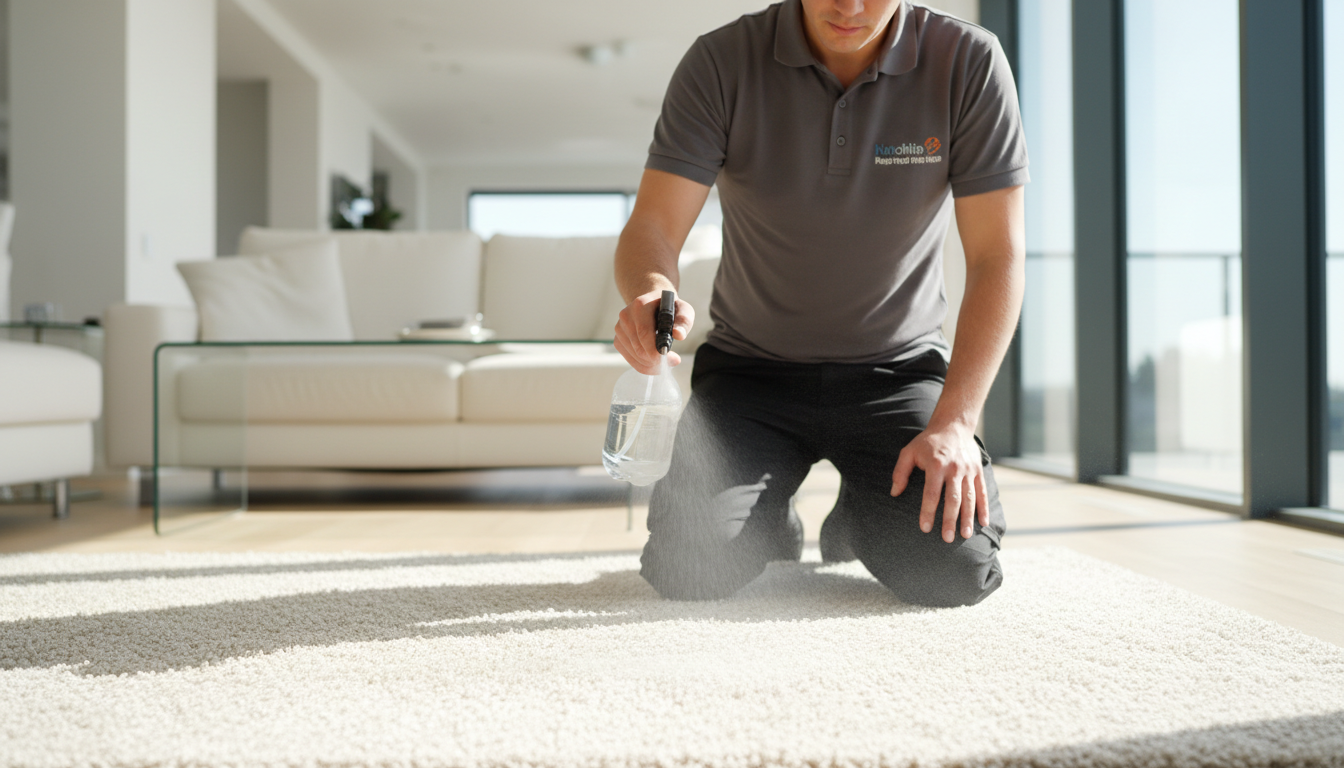
Our methodology moves beyond the limitations of standard steam cleaning by integrating a systematic three stage process designed for the urban environment. It begins with a specialist pre-treatment designed to emulsify the oily resins and metallic tube dust that bond to fabric fibers. This is followed by deep extraction, where industrial grade equipment physically removes the biological load and chemical pollutants identified in earlier sections, ensuring no moisture is left behind to cause the 'browning' or musty odors common with inferior methods.
The defining difference for professional upholstery cleaning services through NanoDefence is the subsequent application of Nano-technology surface protection. Unlike traditional fabric protectors that merely sit on the surface, these nano-particles operate at a molecular scale. They create an invisible, breathable shield around every individual fiber, making the material inherently hydrophobic and oleophobic.
This proactive barrier means that liquid spills bead on the surface and urban particulates cannot penetrate the weave or bond with the fabric. This solution is essential for both domestic living rooms and commercial office cleaning projects, where constant use results in rapid re-soiling. By preventing allergens from embedding deep into the internal padding, we provide a sustained hygiene solution for upholstery cleaning London clients, moving beyond the temporary 'wash and dry' cycle to offer genuine material longevity.
Investing in Longevity: The Cost Comparison of Cleaning vs Replacement
The question of whether professional upholstery cleaning services are a justifiable expense often comes down to a simple capital comparison. In a city where a high-quality sofa from a premium retailer costs several thousand pounds, a professional deep clean represents a small fraction of that investment, typically amounting to a few hundred pounds. This service is not merely a cosmetic fix; it is a mechanical necessity. By removing the abrasive metallic particles and soot that grind against fabric fibers, you halt the physical degradation that leads to thinning and fraying.
Item | Average London Cost | Estimated Lifespan |
|---|---|---|
Replacement Designer Sofa | £2,500 – £8,000+ | 5–7 Years (Neglected) |
Professional Deep Clean | £100 – £250 | 12–15 Years (Maintained) |
For London property managers and homeowners, upholstery cleaning London schedules are an essential asset management tool. Integrating Nano-technology surface protection after cleaning effectively doubles the lifespan of the furniture by repelling the contaminants that cause structural wear. This proactive maintenance is equally vital for commercial office cleaning, where the cost of replacing entire suites of furniture far outweighs the price of biannual professional care. Ultimately, regular extraction is an investment in longevity, ensuring your furniture remains a high-value asset rather than a depreciating liability.
Understanding what lives in your sofa is the first step toward a healthier household, as regular upholstery maintenance is essential for removing hidden allergens. By taking these steps, you protect your family from the invisible irritants that accumulate over time. If you want expert help ensuring your furniture is truly clean, professional services can provide a deeper level of care. To learn more About our mission and how we support London households, feel free to explore our dedicated approach to home hygiene. Investing in professional care ensures lasting comfort.