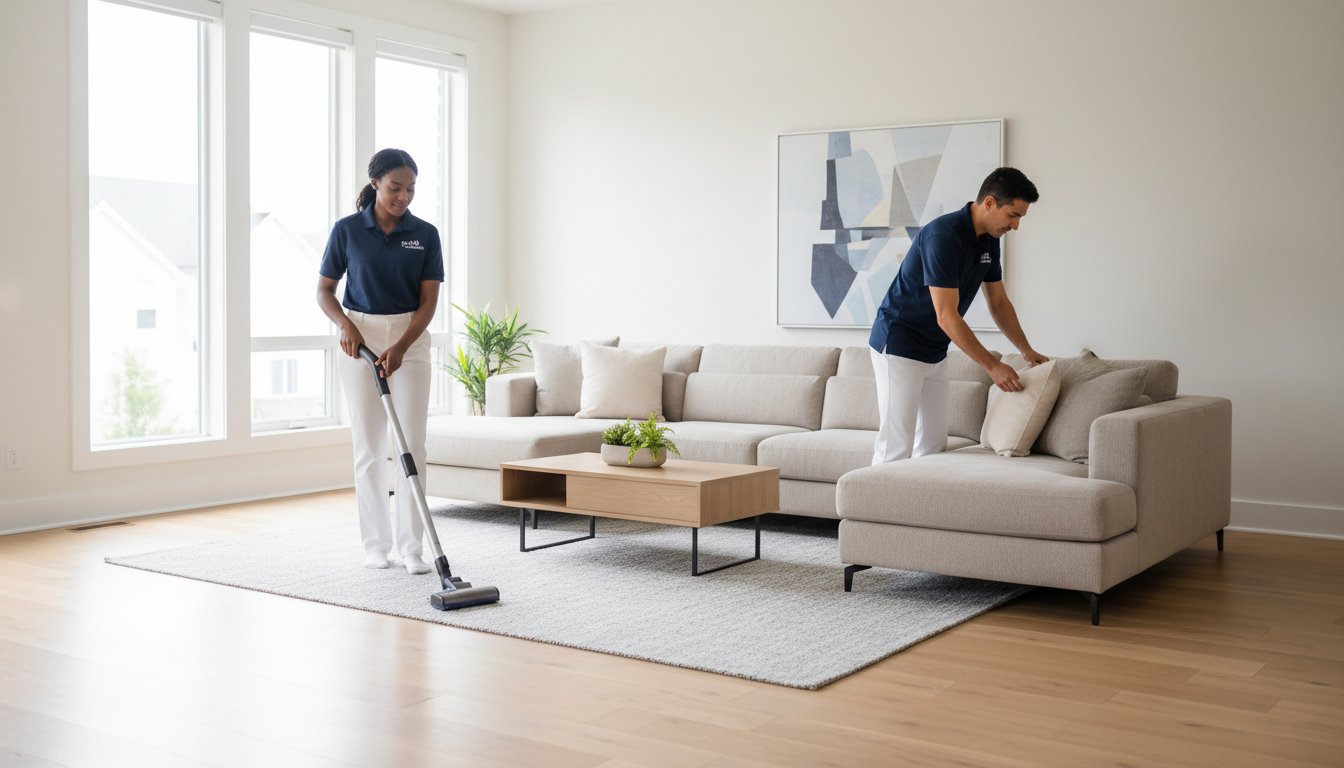
Professional rug cleaning London is necessary because standard vacuuming cannot reach the abrasive grit embedded deep within delicate wool and oriental fibers. Specialist cleaning methods effectively remove these damaging particles and stubborn stains; this process preserves the textile's value and ensures your investment lasts for generations.
Maintaining a fine wool or Oriental rug in a city like London requires far more than a standard domestic vacuum. While your hoover might clear surface dust, it cannot reach the microscopic grit and urban pollutants that settle deep within the pile; these particles act as abrasives that slowly sever delicate fibers from the inside out. For the discerning homeowner, this invisible wear is the primary cause of premature thinning and loss of structural integrity. Protecting these artisanal investments demands a scientific approach to preservation. This guide explores the limitations of traditional cleaning and the specific risks posed by London’s urban environment, including soot and moth activity. You will discover how the systematic NanoDefence process integrates advanced nanotechnology to deep clean and fortify your rugs, ensuring they remain vibrant assets for generations to come.
The Hidden Reality of Rug Care in London Homes
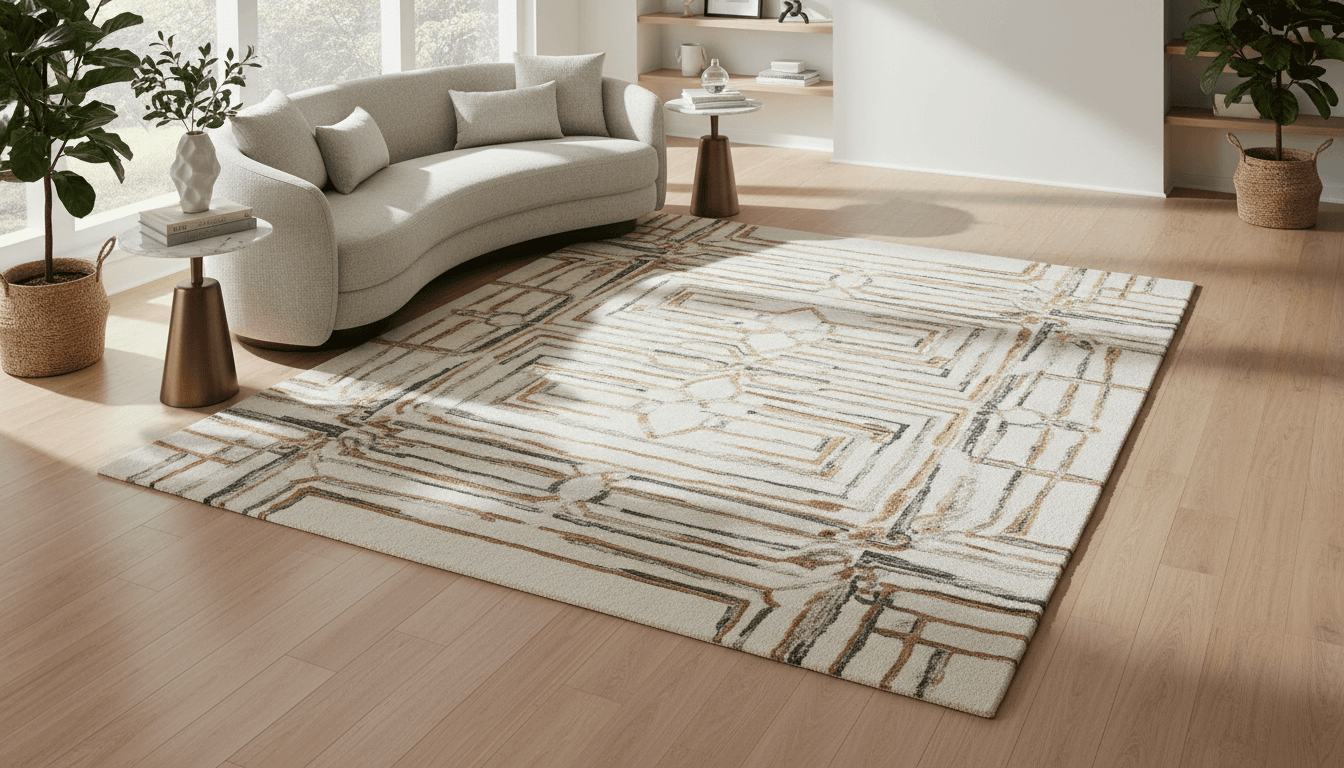
A hand-knotted Oriental rug or a high-pile wool weave is more than a floor covering; it is a functional investment and often a family heirloom that anchors a room's aesthetic. In the specific environment of London, these textiles face a unique set of challenges. From the period townhouses of Kensington to the modern riverside apartments of the South Bank, London homes are prone to high levels of microscopic city dust and carbon-based pollution particles. This urban grit, combined with the fine micro-debris that settles in central London residences, infiltrates the deep foundation of your rug far more aggressively than in rural settings.
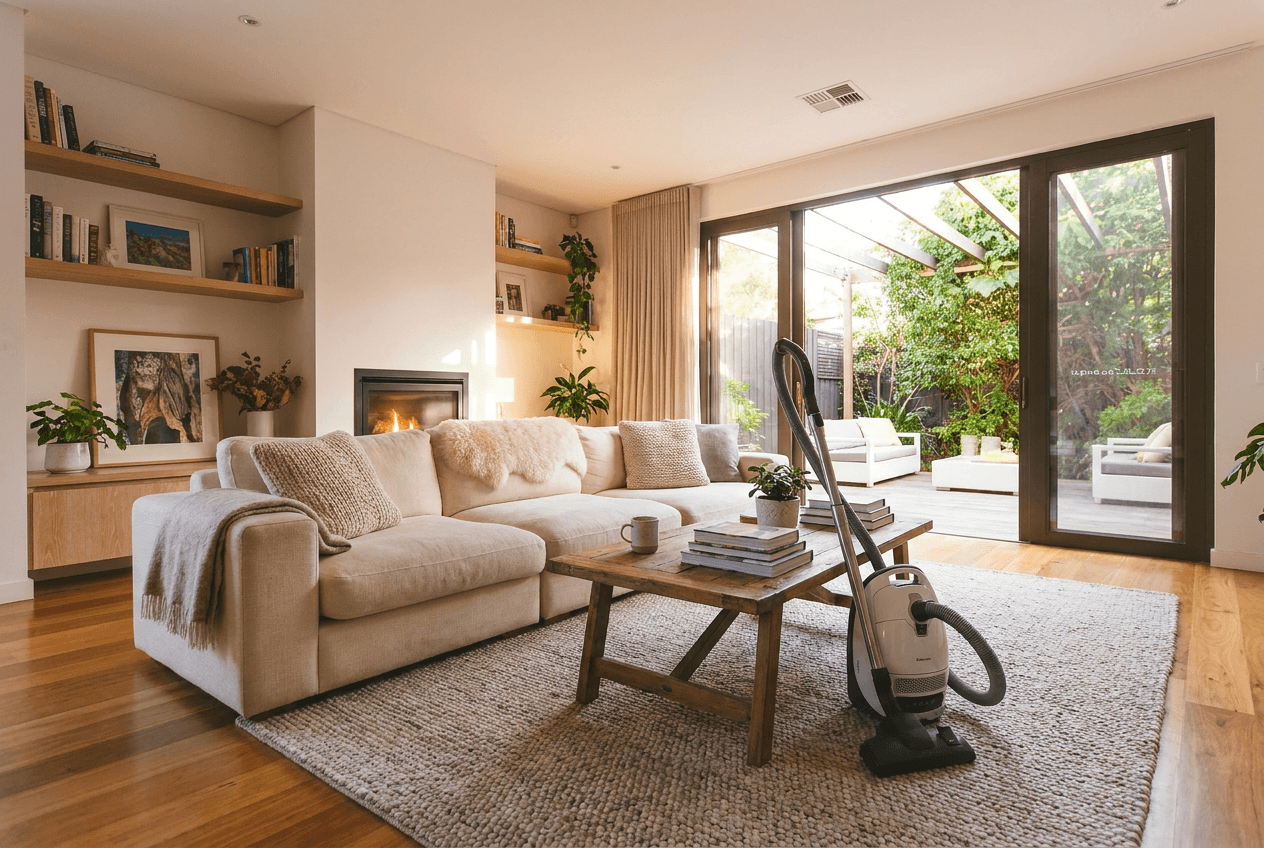
While regular vacuuming is a fundamental part of home maintenance, it is important to recognise its limitations. A domestic hoover primarily extracts loose particles from the upper third of the pile. It cannot reach the heavy, abrasive silt that becomes trapped in the dense knotting or the natural, lanolin-rich fibres of wool. Over time, this hidden accumulation acts as a silent catalyst for wear. At NanoDefence, we view professional rug cleaning London not merely as a cosmetic necessity, but as a preservation strategy. By understanding the intersection of traditional craftsmanship and modern urban stressors, we ensure your most valued textiles are protected from the unique atmospheric conditions of the capital.
Why Vacuuming Fails to Protect Wool and Oriental Fibres
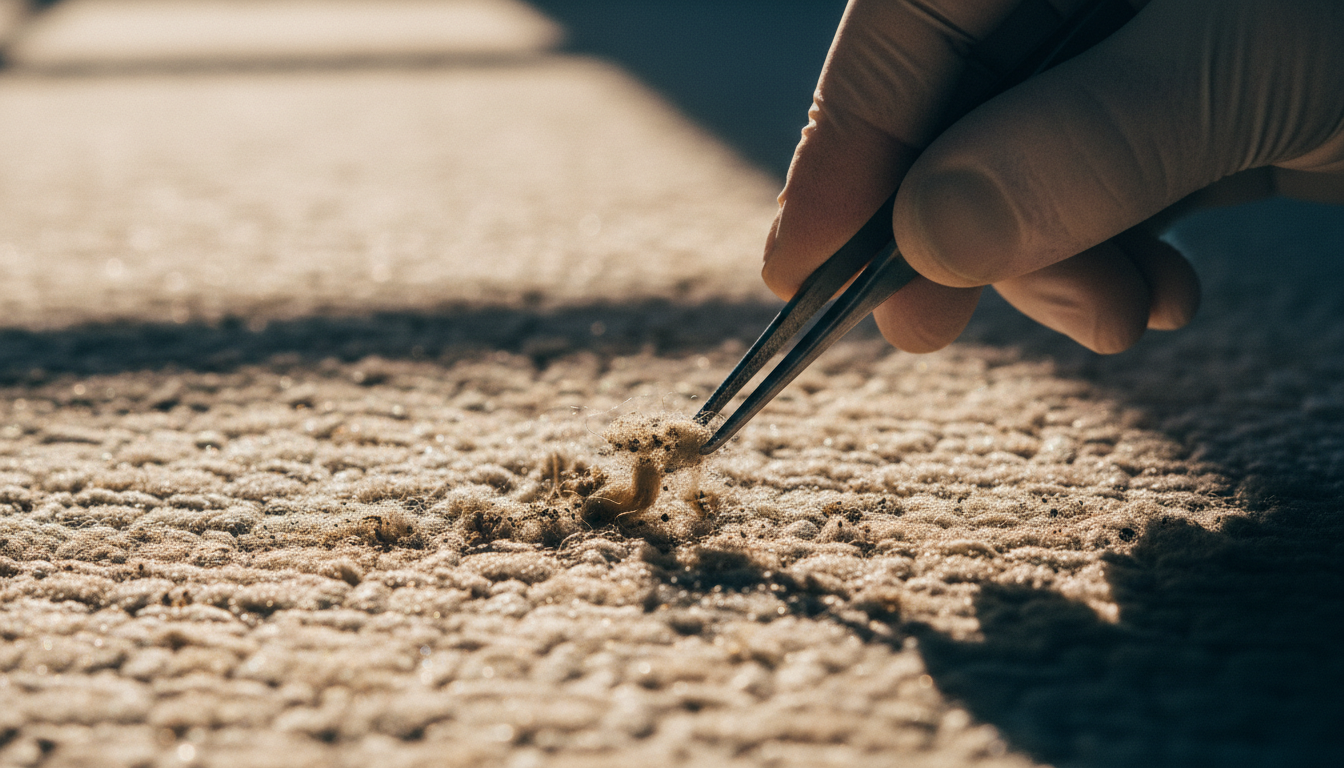
The limitation of even the most powerful domestic vacuum cleaner lies in its reliance on airflow alone. While effective at removing loose hair and surface dust, standard suction cannot overcome the gravitational settlement of heavy particulates within a dense, hand-knotted foundation. In a busy London property, these particulates often consist of sharp-edged silica and abrasive carbon soot from city traffic. Once these microscopic grains sink to the base of the pile, they remain trapped far beyond the reach of a hoover’s rotating brush bar.
This accumulation triggers what textile conservators call the sandpaper effect. Every time someone walks across the rug, the pressure of the footfall grinds these sharp, crystalline particles against the delicate wool or silk yarns. Much like rubbing a fine fabric with a coarse abrasive, this mechanical action slowly saws through the fibres at their root. The result is not just a dull appearance, but permanent structural damage that manifests as premature thinning and eventually, the irreversible bald patches common in neglected antiques.
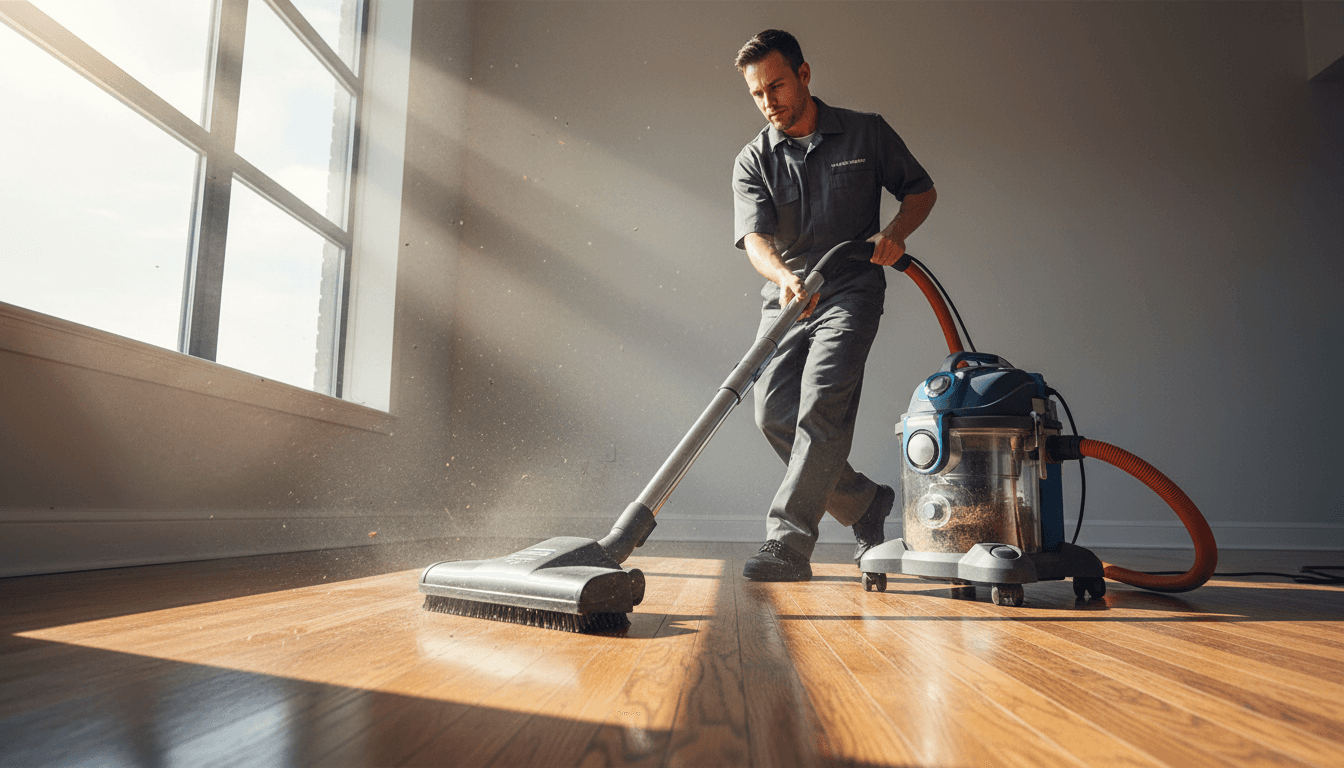
Relying solely on surface suction allows this hidden deterioration to continue unabated. Genuine preservation requires professional rug cleaning London to physically dislodge and flush these deep-seated abrasives. Unlike a domestic machine that pulls air through the top, professional deep extraction involves a systematic approach to removing the grit that resides at the very core of the weave. This process is essential for maintaining the structural integrity of high-value textiles, preventing the slow mechanical destruction caused by urban debris.
Understanding the Delicate Nature of Wool and Oriental Rugs
Distinguishing a hand-woven Oriental or fine wool rug from standard synthetic wall-to-wall carpeting is the first step in proper textile preservation. While mass-produced carpets are typically constructed from nylon or polyester designed for chemical resilience, wool is a complex protein fibre. It contains lanolin, a natural wax that provides wool with its characteristic suppleness, lustre, and inherent water resistance. Many generic cleaning services use high-alkaline detergents to break down dirt quickly, but these aggressive chemicals strip the lanolin from the core of the fibre. Once this protective oil is removed, the wool becomes brittle, loses its natural elasticity, and begins to fray or shed at an accelerated rate.
The technical complexity increases when addressing the intricate dyes used in Oriental textiles. Many antique or artisan pieces utilize vegetable or insect-based dyes, which are far more reactive than modern synthetic pigments. If the pH balance of the cleaning solution is not precisely managed, the rug may suffer from dye bleed, a condition where deep indigos or rich reds migrate into the lighter cream or ivory sections of the design. This migration is often permanent and significantly devalues the piece, turning a vibrant heirloom into a muddied shadow of its former self.
Furthermore, the method commonly known as steam cleaning, or hot water extraction, presents significant risks if not expertly calibrated. Excessive heat and over-saturation can trigger cellulosic browning or structural shrinkage, particularly in rugs with a cotton foundation. Specialist professional rug cleaning London requires a sophisticated understanding of these organic variables. At NanoDefence, we adjust the temperature, pressure, and chemical composition for every individual piece. We treat each rug as a unique biological specimen rather than a uniform surface; this ensures the structural integrity of the weave is maintained while effectively removing the deep-seated urban pollution common in London homes.
The Systematic NanoDefence Process for Rug Cleaning London
Effective preservation requires a transition from general maintenance to a technical, phased methodology. The NanoDefence rug cleaning London workflow is designed to address the specific vulnerabilities of natural fibres while removing the deep-seated urban pollutants typical of the capital. This systematic approach follows five critical stages:
Detailed Technical Inspection: Our process begins with a fibre identification and dye stability test. We meticulously examine the rug foundation for signs of moth larvae, structural dry rot, or historical repairs that might be compromised during the cleaning process.
Dry Soil Extraction: Before any liquid touches the textile, we employ high-airflow dusting or harmonic vibration. This stage dislodges the abrasive grit and carbon soot trapped in the base of the knots, which liquid cleaning alone would otherwise turn into a damaging, abrasive sludge.
Specialist Pre-treatment: We apply pH-balanced, wool-safe solutions tailored to the specific dyes and material of your rug. This breaks down oily atmospheric residues and protein-based stains without stripping the natural lanolin that keeps fibres supple.
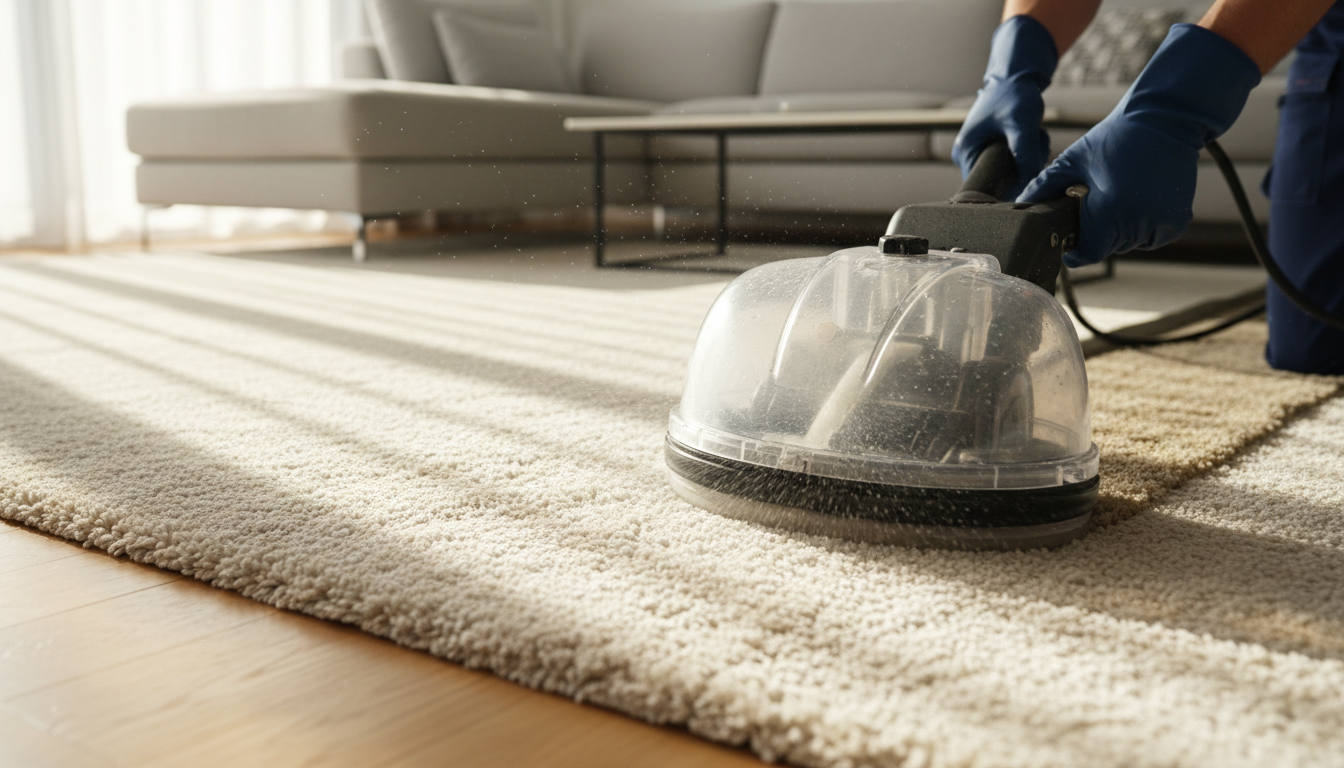
Controlled Deep Extraction: Utilizing precision-calibrated equipment, we flush out contaminants. Unlike amateur methods that risk over-saturation, shrinkage, or cellulosic browning, our system regulates moisture levels to ensure a thorough clean with rapid drying times.
Professional Grooming: The final stage involves setting the pile in its original direction. This prevents the fibres from drying in a distorted state and restores the textile’s natural lustre and texture.
This level of rigour ensures that even the most delicate Persian or contemporary wool pieces are restored without compromising their structural integrity. For those seeking further longevity, you can contact our London team to discuss integrating these steps with our advanced protective treatments.
Nano Technology Protection: The Secret to Long Term Rug Preservation
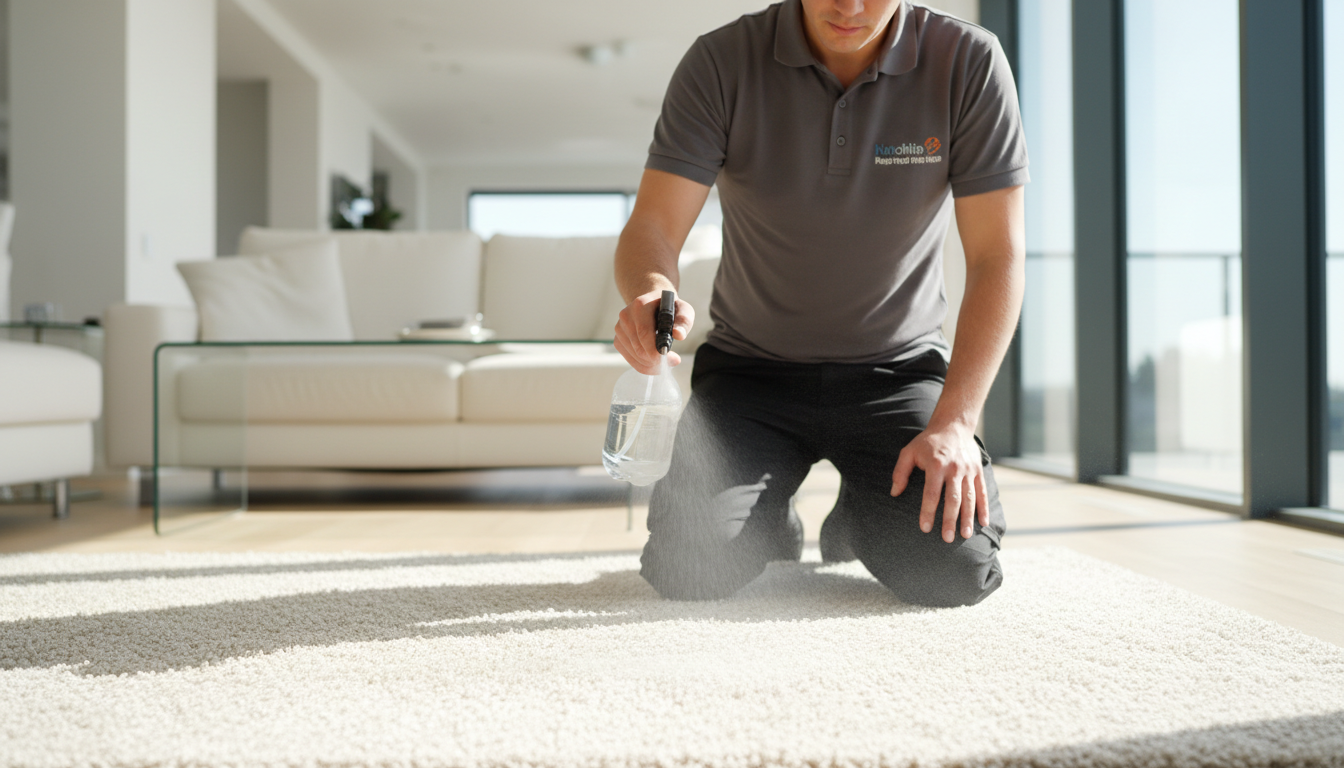
The final and most critical phase of our preservation strategy involves the application of nano technology surface protection. Traditional fabric protectors often rely on thick silicone or fluorocarbon resins that sit on top of the pile, creating a stiff, plastic-like texture that alters the natural hand of fine wool. In contrast, nano-technology works at a molecular level. It wraps each individual fibre in a microscopic, breathable shield without bridging the gaps between them. This maintains the rug’s original softness and airflow while providing a superior level of hydrophobic defense.
For a London household, this protection is a practical necessity rather than an optional luxury. In a busy domestic environment, a spilled glass of red wine or a pet accident can lead to permanent dye staining within seconds. Our nano-coating alters the surface tension of the rug fibres, causing liquids to bead on the surface rather than soaking into the core. This creates a vital window of time, allowing you to simply blot the liquid away before it reaches the dye site. While basic treatments might offer temporary resistance, this molecular bond ensures that your textile remains resilient against the daily realities of city living. If you are interested in this level of preservation, you can contact our London team to discuss how it integrates with our standard professional rug cleaning London workflow.
Addressing Common London Rug Issues: Moths, Odours, and Urban Soot
The architectural heritage of London, particularly its abundance of Victorian and Georgian properties, provides a common habitat for Tineola bisselliella, the clothes moth. These pests thrive in the dark, undisturbed areas beneath heavy furniture where domestic vacuuming rarely reaches. While a hoover might pick up an adult moth, it cannot extract the microscopic larvae that anchor themselves to the wool foundation and consume the keratin fibres. Our professional rug cleaning London service incorporates deep extraction to eliminate these larvae, preventing the structural grazing that leads to permanent holes and compromised weaves.
London’s atmospheric conditions also introduce carbon-based traffic soot, which settles as a fine, oily grey film over domestic textiles. This urban residue is particularly detrimental to the aesthetics of Persian rugs, as it gradually masks vibrant vegetable dyes with a dull, monochromatic tint. Because these particulates are often bonded with oily pollutants from the city air, they require specific emulsifying agents to be safely lifted from the pile. Furthermore, in the confined environments of city apartments, organic odours from pets can become concentrated within the dense rug weave. We address this through targeted enzymatic treatments that neutralise bacteria at the molecular level rather than simply masking scents with temporary fragrances, restoring both the visual clarity and the hygienic integrity of the piece.
Is Professional Rug Cleaning Worth the Cost?
Determining the value of professional intervention requires a shift from viewing maintenance as an annual expense to recognizing it as essential insurance for a high-value asset. A typical investment in professional rug cleaning London generally ranges from £45 to over £150, depending on the rug’s dimensions and the complexity of its weave. When compared to the £3,000 or higher price tag associated with replacing a hand-knotted Persian or artisan wool piece, the cost of professional care is negligible. Regular deep extraction prevents the structural degradation that leads to irreparable thinning, ensuring the textile retains its resale and aesthetic value for decades.
Beyond financial preservation, there is the health of your home environment to consider. A rug functions as a massive air filter, trapping allergens, pathogens, and fine particulate matter within its deep pile. Professional cleaning removes these contaminants that a domestic vacuum cannot reach, significantly improving indoor air quality in the city. By combining deep extraction with nano technology surface protection, you extend the intervals between deep cleans while safeguarding the fibres from permanent stains. To ensure your investment remains both a beautiful and hygienic part of your home, you can contact our London team to discuss a bespoke maintenance schedule.
Preserving the beauty and durability of your Oriental or wool rug requires more than standard household cleaning. These delicate fibers need specialized care to prevent damage and maintain their value over time. While routine hoovering helps, professional attention ensures your investment remains in peak condition for generations. If you want expert help with your rug maintenance, you can read more about our specialized techniques and dedicated approach. Our team is always available to provide the gentle, thorough care your treasured pieces deserve.