

Your sofa smells musty winter London because upholstery traps excess moisture, dirt, and household odors during the humid, damp months. Resolving these smells requires deep vacuuming and professional cleaning to remove embedded particles, ensuring your furniture remains fresh for festive hosting and winter gatherings.
As the London damp settles in and the central heating turns up, you might notice an unwelcome guest lingering on your living room furniture. That faint, earthy scent rising from your upholstery every time you sit down is more than a minor nuisance; it is a clear indicator of trapped moisture and microscopic organic activity. With the festive hosting season rapidly approaching, a musty sofa can undermine the sophisticated atmosphere of your home and compromise the comfort of your guests. Understanding the synergy between London’s high humidity and delicate fabric fibers is essential for maintaining a truly pristine living environment. In this guide, we examine why traditional DIY fixes often fail to address the root cause of winter odors. You will learn how professional deep extraction and advanced nano-technology protection can restore your investment, ensuring your upholstery remains fresh despite the challenges of wet coats and winter weather.
The Mystery of the Winter Must: Why Your Sofa Smells When You Sit on It
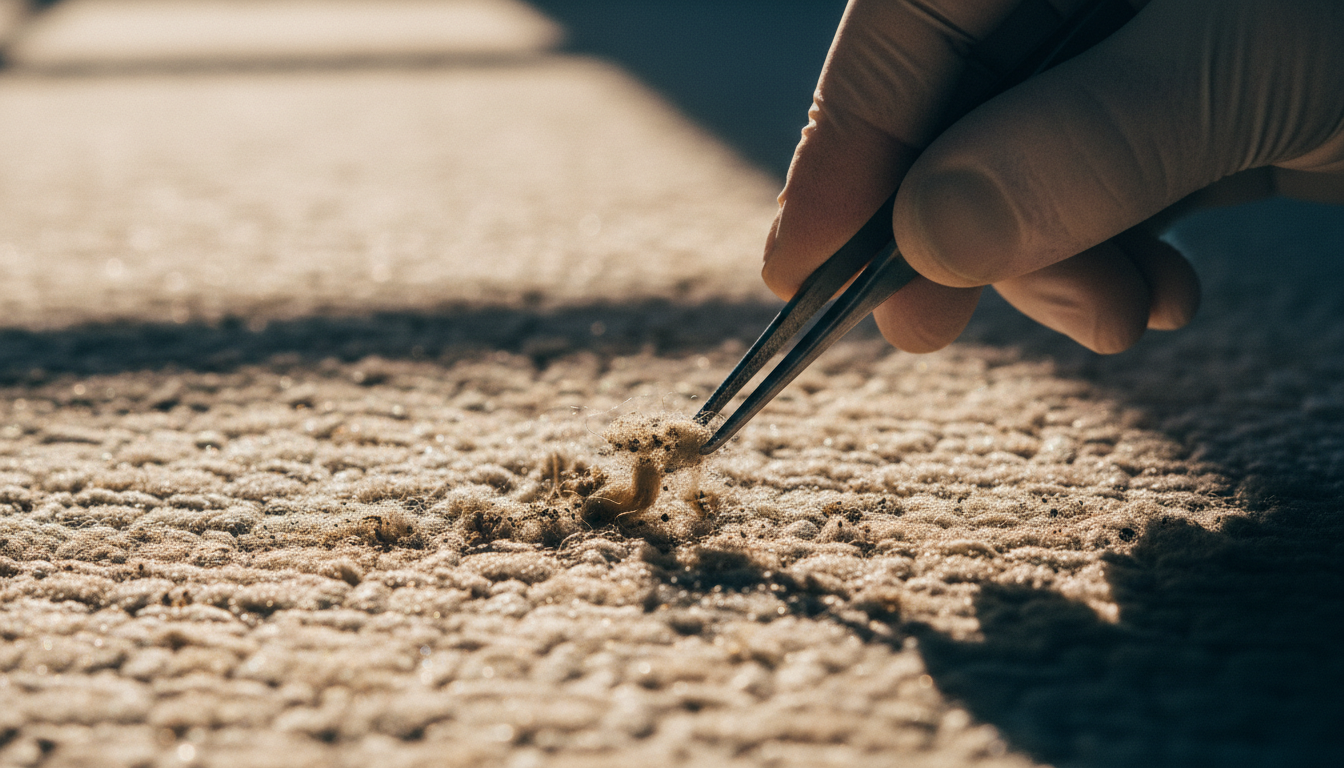
Many homeowners in the capital experience a perplexing phenomenon as the temperature drops. You enter your living room and everything appears pristine, yet the moment you settle into your favourite armchair, a distinct puff of stale air rises to meet you. If your sofa smells musty winter London weather is often the silent catalyst rather than a lack of surface tidiness.
Upholstery fabrics function as high-surface-area filters. Over months of use, they trap a microscopic reservoir of household debris, including skin cells, pet dander, and fine urban dust. During the warmer months, open windows and natural ventilation allow these particles to remain relatively dormant. However, as the heating is turned on in Victorian and Edwardian London flats, the internal environment changes. The increase in ambient temperature, combined with a lack of fresh airflow, creates an incubator effect. The organic matter trapped deep within the weave begins to break down at a molecular level, releasing volatile organic compounds that manifest as that heavy, damp scent.
This issue is particularly acute in traditional London architecture. While these properties are charming, their structural design often leads to stagnant air pockets when sealed against the British winter. Unlike the sharp, metallic smells sometimes associated with summer heat, the winter must is organic and deep-seated. When you sit down, the physical compression of the cushions acts like a bellows, forcing this concentrated, stale air out of the padding and into the room. Addressing this requires more than just masking the air; it necessitates professional sofa cleaning to remove the biological load currently residing in your furniture. If you are noticing this bellows effect in your home, you can contact our London team to discuss deep extraction methods.
The London Humidity Factor: Damp Coats and Wet Paws
The persistent drizzle and high humidity levels characteristic of a London winter create a secondary, more aggressive source of odor: moisture transfer. In a city where humidity frequently hovers above 80 percent during the colder months, soft furnishings act as environmental sponges. This problem is compounded by the daily reality of life in the capital. Guests arriving for dinner may inadvertently drape damp wool overcoats over the back of a settee; umbrellas are often leaned against chair legs, and after a brisk morning walk through Richmond Park or Hyde Park, even a towel-dried dog carries significant residual moisture in its undercoat.
This moisture does not simply evaporate in the stagnant air of a closed room. Instead, it migrates through the primary upholstery fabric and settles into the polyurethane foam or natural fillings beneath. This is where the real danger lies. While the surface might feel dry to the touch within an hour, the internal core of the cushion can remain damp for days. When organic matter, such as the skin cells and urban dust trapped in the fibers, meets this trapped moisture, it triggers microbial activity.
Traditional surface treatments are ineffective against this deep-seated dampness. Spraying a scented deodorizer onto the fabric only adds more liquid to the problem, potentially feeding the very bacteria causing the scent. This environment is the primary reason a sofa smells musty winter London residents often find that standard household cleaning isn't enough. Without the high-pressure extraction used in professional sofa cleaning, moisture can linger long enough to facilitate mildew growth within the internal structure. Once fungal spores establish themselves in the foam, they require specialized intervention to be fully eradicated. If you suspect moisture has reached the deeper layers of your furniture, you can contact our London team for a comprehensive assessment and deep-core extraction.
Common DIY Mistakes: Why Baking Soda and Febreze Often Fail
When homeowners realize their sofa smells musty winter London life often prompts a quick search for DIY fixes or social media hacks. The most frequent recommendations involve bicarbonate of soda or white vinegar sprays. While baking soda is an effective desiccant for surface moisture, its physical properties prevent it from migrating into the deep polyurethane foam or natural feather fillings where the true odor reservoirs reside. You may eliminate a light surface scent, but the bellows effect will continue to push stale air from the internal padding every time you sit down because the powder cannot neutralize particles trapped inches below the surface.
The over-reliance on commercial fabric refreshers often exacerbates the problem through chemical buildup. Many of these sprays contain surfactants and binding agents designed to encapsulate odor molecules. When used repeatedly without professional sofa cleaning, these chemicals leave behind a microscopic, sticky residue on the textile fibers. This film acts as an adhesive for London’s urban particulate matter, pet dander, and skin cells. Instead of refreshing the piece, you are essentially gluing new layers of organic debris to the fabric, which eventually breaks down and creates a more complex, stubborn odor.
Online community discussions on platforms like Reddit frequently highlight the frustration of sofas that still smell even after the covers have been laundered. This occurs because the biological load has permeated the internal foam structure, which remains untouched by a washing machine cycle. Attempting to deep-clean these internal components with household tools often leads to over-wetting, which triggers the very mildew issues you are trying to avoid. To truly address the source rather than masking the symptoms, you should contact our London team for a targeted extraction that reaches the core of the furniture.
The Pre-Christmas Sofa Refresh: Preparing for Festive Hosting
As the festive season approaches, many residents begin a rigorous pre christmas house clean to ensure their living spaces are guest-ready. The sofa is the centerpiece of holiday hosting, making its condition vital for a comfortable atmosphere. Start your refresh by performing a deep vacuum using a machine equipped with a HEPA filter. In London flats, fine urban particulate matter often bypasses standard filters, simply recirculating the allergens back into the room. You must remove all cushions to reach the base and side crevices where the organic particles responsible for the winter must settle.
Next, conduct a visual and tactile audit for hidden spills. Residue from a forgotten glass of wine or a splash of juice from an autumn gathering can remain dormant until the central heating activates the organic sugars, causing them to break down and emit odors. Finally, perform a material-specific sniff test. For fabric sofas, press your weight into the padding to trigger the bellows effect and check for stale air. For leather, focus on the headrests and armrests where body oils accumulate; a sour or tacky scent here indicates the material is holding onto bacteria. If these self-checks confirm that your sofa smells musty winter London conditions require more than a surface brush. For significant odors revealed during your inspection, you should contact our London team to book a professional sofa cleaning before your guests arrive.
How Professional Deep Extraction Eliminates Winter Odors
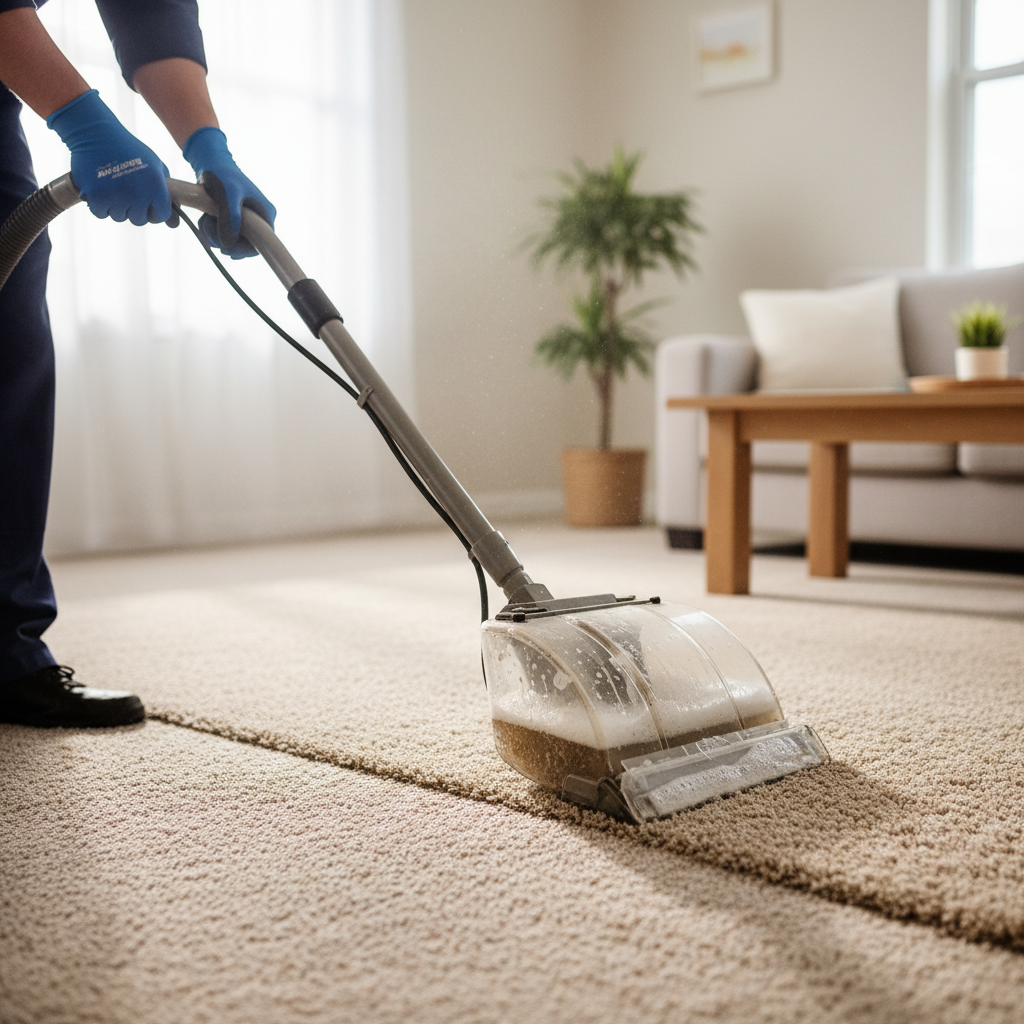
While a thorough vacuuming is a necessary first step, it cannot reach the biological load trapped deep within the furniture's structure. If your sofa smells musty winter London weather has likely caused moisture to bond with deep-seated particles, requiring NanoDefence’s systematic deep extraction process. Unlike standard surface cleaning which only agitates the top layer of fabric, professional steam extraction uses high-pressure, heated water to penetrate the internal foam and padding. This heat is essential for liquefying oils and loosening the grip of compacted urban dust.
Our process relies on specialized enzyme cleaners rather than heavy perfumes. These enzymes act as biological catalysts, specifically targeting and breaking down the proteins found in skin cells, pet dander, and food residues. Instead of masking the scent, the enzymes digest the organic matter at a molecular level, effectively neutralizing the source of the odor. This ensures that the 'bellows effect' is eliminated at the core, so no stale air is released when the cushions are compressed.
Effective moisture management is the final, critical component of a professional sofa cleaning in the capital. London’s high indoor humidity during winter means that if a sofa remains damp for more than a few hours, it risks developing a new, sour scent. Our technicians utilize industrial-grade vacuum recovery to remove the vast majority of the water instantly. We then deploy high-velocity air movers to circulate air directly across the upholstery. This professional drying equipment ensures the piece is completely dry and guest-ready in a fraction of the time a DIY attempt would take. To ensure your furniture is deeply sanitized and dry before the holidays, you can contact our London team for a consultation.
Protecting Your Upholstery with Nano-Technology

Once the deep extraction process has removed the biological load, the focus shifts to long-term prevention. At NanoDefence, we apply advanced nano-technology surface protection that chemically bonds to individual textile fibers without altering the feel or breathability of the fabric. This treatment creates what is known as the lotus effect. Much like a lotus leaf in nature, the treated surface becomes highly hydrophobic. When festive drinks or oils from holiday snacks are spilled, they do not soak into the weave. Instead, they form beads on the surface, allowing you to blot them away before they reach the internal foam.
This technology is a critical defense mechanism against the recurring issue where a sofa smells musty winter London humidity levels notwithstanding. By sealing the fibers, we prevent the accumulation of skin cells and urban dust that typically feed odor-causing bacteria. This proactive barrier ensures that even when windows are closed and the heating is high, your furniture remains inert to the organic decay that causes winter odors. For those looking to secure their investment after a professional sofa cleaning, you can contact our London team to learn more about our protective application process.
Long Term Maintenance: How Often Should You Clean Your Sofa?
Most households should schedule a professional deep clean every 12 to 18 months to ensure the internal padding remains free of biological contaminants. If your home has pets or high footfall, a pre-winter service is more effective. By removing the seasonal buildup of skin cells and urban dust before the central heating is switched on, you significantly reduce the risk that your sofa smells musty winter London conditions notwithstanding.
During the peak of January and February, maintenance focuses on moisture control. Place activated charcoal bags in the corners of the room or beneath the furniture frame to capture airborne pollutants and excess humidity that fabric fibers would otherwise absorb. Additionally, implement a daily ten minute purge ventilation. Even when it is cold outside, opening windows at opposite ends of the room for a brief period creates a cross-breeze that flushes out stagnant, moisture-laden air. To maintain a fresh environment throughout the year, you can contact our London team to arrange a professional sofa cleaning tailored to your furniture's specific material and usage patterns.